Bed bug mattress encasements: A spec-checked guide
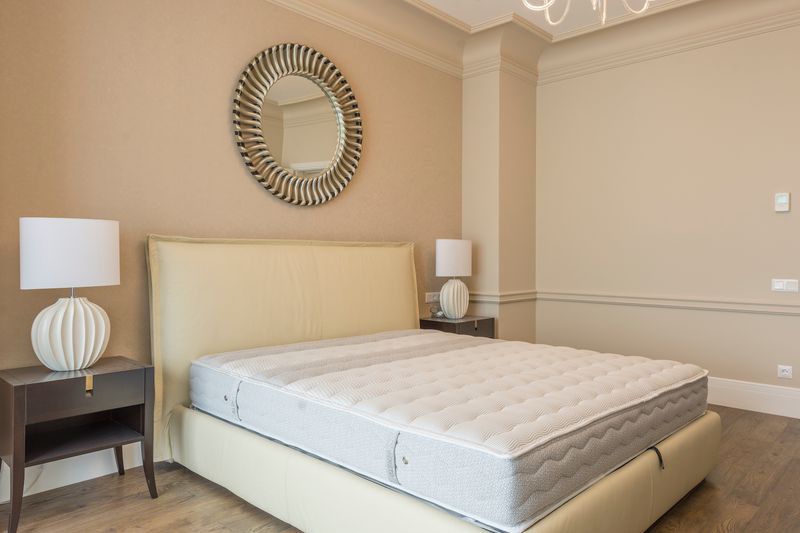
A bed bug mattress encasement can trap bugs already inside a mattress, remove hiding places, and make inspections easier. It is useful, but it does not eliminate bugs in a bed frame, baseboard, chair, or another nearby harborage.
The U.S. Environmental Protection Agency (EPA) recommends encasing both the mattress and box spring as part of a broader integrated pest management (IPM) plan. The agency says the zipper should close completely, the cover should be sturdy enough to last a year, and an encasement used during an infestation should remain in place for a year.
How we researched these encasements
This is a desk-researched comparison, not a hands-on product test. We did not independently laboratory-test these products.
We reviewed manufacturer pages, warranties, and public test reports on August 7, 2026. We included products with primary-source specifications for six-sided, zippered bed bug protection.
We compared:
- Coverage: six-sided protection
- Closure: zipper, lock, and sealing features
- Fit: stated size and mattress-depth ranges
- Waterproofing: all six sides or selected panels
- Evidence: available test reports and explained certifications
- Warranty: term, exclusions, and zipper coverage
The products below are examples, not a first-to-last ranking. Prices are excluded because promotions, stock, sizes, and pack quantities prevent a consistent comparison. Check the linked source for current price and availability.
What to look for in a bed bug encasement
A complete zipper closure
An encasement must surround the entire mattress and close without a gap. The EPA’s bed bug treatment preparation guidance specifically calls for covers with zippers that close completely.
A fitted protector that leaves the bottom open may guard against spills, but it cannot trap bed bugs inside the mattress.
Published bed bug test details
This guide does not use “ASTM bite-proof certification” because the cited product pages document no exact applicable ASTM standard.
Instead, look for a report that identifies the product or fabric, test method, insects used, and result. A “lab tested” statement is less informative when the report is unavailable.
The correct depth and size
Measure the mattress’s length, width, and depth, including any topper that will stay inside the encasement. Buy the manufacturer’s matching size range. An undersized cover can strain the seams and zipper; an oversized one can wrinkle and complicate inspection.
Waterproofing that matches your needs
Bed bug containment and liquid protection are separate specifications. Some encasements use a waterproof laminate on all six sides, while others use it only on the sleeping surface and part of the sides. Verify the exact model instead of assuming every product from a brand is waterproof.
Warranty details, not just the headline term
A “10-year warranty” may not cover every component for ten years. Check for proration, shorter zipper coverage, and care-related exclusions.
Spec-checked bed bug mattress encasements
Mattress Safe Sofcover Ultimate Mattress Encasement
Mattress Safe’s current specifications list the Sofcover Ultimate Mattress Encasement as waterproof on all six sides, fitting mattresses 9 to 15 inches deep, with a patented “Zipper with the Hook” closure.
The manufacturer’s testing results describe fabric feed-through, zipper shake-through, and zipper feed-through methods. The reported results show no feeding through the laminated fabric or zipper seams and no escapes during those evaluations. These were not tests performed by Pest Control Insider.
The retail warranty is 10 years for MattressSafe.com purchases, prorated after three years, with one year of zipper coverage. Reseller terms differ.
SureGuard Queen 13–16 Inch Mattress Encasement
The SureGuard Queen 13–16 Inch Mattress Encasement is a six-sided model with a cotton-terry top, stretch-knit polyester sides and bottom, and waterproof TPU backing on all sides. The manufacturer identifies its closure as a super-fine zipper with Invisi-Zip and SureSeal features.
The cited queen model measures 60 by 80 inches and fits mattresses 13 to 16 inches deep. SureGuard lists other depth ranges, so select the SKU matching your measurements.
SureGuard states that the encasement is independently lab tested and GREENGUARD Gold certified. GREENGUARD Gold concerns chemical emissions; it should not be read as bed bug performance certification. The manufacturer offers a 10-year full-replacement warranty subject to its care and installation instructions.
Protect-A-Bed AllerZip Mattress Zippered Encasement
The current U.S. product name is AllerZip Mattress Zippered Encasements, not “AllerZip Smooth” on the linked store page. Protect-A-Bed’s product page lists 360-degree protection, a zippered BugLock closure, polyester fabric, and a polyurethane laminate.
The page offers 7-to-12-inch and 11-to-18-inch height selections in several sizes. It states a 10-year replacement warranty against faulty workmanship for the original purchaser. The manufacturer calls the product scientifically tested but identifies no ASTM bite-proof standard on that page.
Utopia Bedding Premium Waterproof & Bed Bug Proof Encasement
Utopia’s current product name is Premium Waterproof & Bed Bug Proof Mattress Encasement by Utopia Bedding. The manufacturer’s listing describes a zippered polyester encasement with waterproof TPU backing on all sides.
This exact Utopia model is waterproof. The cited commercial listing states no warranty, special zipper lock, or downloadable bed bug test report. Confirm size, pack quantity, stock, and return terms.
Encasement comparison chart
| Exact product | Waterproofing on cited page | Zipper feature | Fit on cited page | Published evidence and warranty |
|---|---|---|---|---|
| Mattress Safe Sofcover Ultimate | All six sides | Zipper with the Hook | 9–15 inches; Twin Plus+ through King Plus+ | Published feed-through and escape test methods and results; 10-year retail limited warranty, zipper covered 1 year |
| SureGuard Queen 13–16 Inch | All six sides | Invisi-Zip and SureSeal | Queen 60 x 80 x 13–16 inches | Manufacturer says independently lab tested and GREENGUARD Gold certified; 10-year replacement warranty subject to terms |
| Protect-A-Bed AllerZip Mattress Zippered Encasements | Polyurethane-laminated encasement marketed for spills and bed bugs | BugLock | 7–12 or 11–18 inches; listed sizes vary by depth | Manufacturer says scientifically tested; 10-year faulty-workmanship warranty |
| Utopia Bedding Premium Waterproof & Bed Bug Proof Encasement | TPU backing on all six sides | Zippered closure; no special lock stated | Cited commercial page lists multiple standard sizes | No downloadable bed bug test or warranty stated on cited page |
How to install a mattress encasement
- Confirm bed bugs before treating; bites alone are not enough for identification.
- Follow the product’s care directions before installation. Do not assume every waterproof membrane tolerates high dryer heat.
- Ask another person to help lift the mattress. Remove or pad sharp frame edges that could puncture the cover.
- Slide the encasement on without pulling hard against the seams.
- Close the zipper fully and engage the model’s zipper lock, hook, flap, or seal if provided.
- Inspect the seam, fabric, and zipper end for gaps or damage.
- Encase the box spring with a correctly sized box spring product as well.
- Move the bed at least 6 inches from the wall, keep bedding off the floor, and place interceptors under the bed legs as part of an IPM plan.
Installation mistakes that can defeat an encasement
- Forcing the wrong size: Excess tension can damage the zipper, seams, or waterproof membrane.
- Skipping the box spring: An uncovered box spring leaves many folds and interior spaces available for harborage.
- Leaving a route from floor to bed: A bed skirt, blanket, cord, or nearby furniture can bridge the isolated bed to the room.
- Puncturing the fabric: Inspect for sharp frame corners before installation and check the cover regularly for holes.
- Removing it too soon: The EPA says to leave bed bug encasements on for a year and to choose one strong enough to remain intact for that period.
Use encasements as part of IPM
An encasement is not a complete treatment. EPA guidance combines mattress, box spring, and pillow encasements with monitoring and other methods in an integrated pest management plan.
That plan may include pest confirmation, clutter reduction, heat-drying suitable belongings, vacuuming, interceptors, sealing hiding places, properly labeled pesticides, and professional help. Residents of multi-unit housing should follow building reporting requirements.
Bottom line
Choose a six-sided encasement that fits the exact mattress depth, closes completely, and can remain intact for at least a year. Treat waterproofing, bed bug testing, and warranty coverage as separate claims, and verify each one for the exact model rather than relying on a brand name or marketplace title.
Keep the encasement in place for the EPA-recommended year and use it alongside inspection, monitoring, sanitation, and treatment. If the zipper will not close or the cover tears, replace it promptly.

Kevin Larrabee
Independent trade-focused editorial team