Diseases Carried by Pests: What Homeowners Need to Know
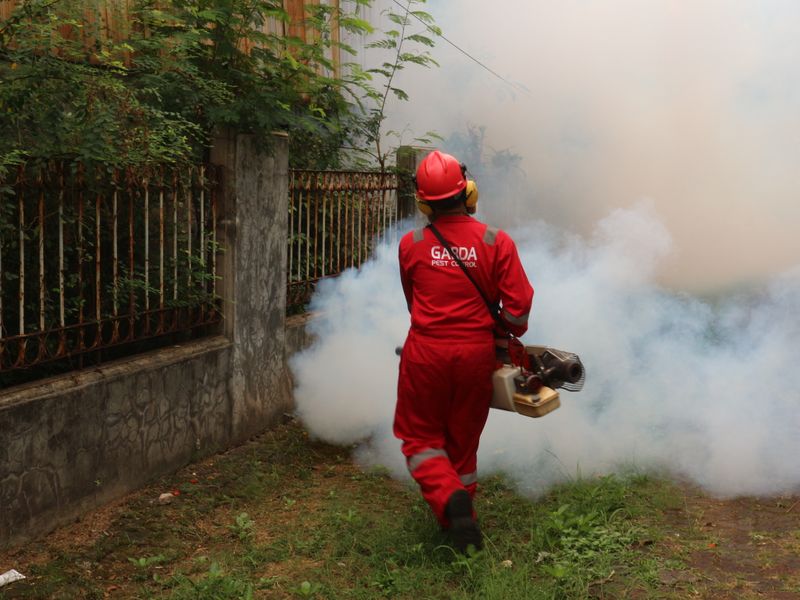
Pest control isn’t just about comfort — it’s a public health issue. Many common household pests transmit diseases that range from mild to life-threatening. Understanding what diseases are associated with which pests, and how transmission occurs, informs both prevention and treatment decisions.
This reference guide covers the major pest-borne diseases relevant to U.S. homeowners.
Mosquito-Borne Diseases
Mosquitoes are the deadliest animal on Earth — responsible for more human deaths annually than any other creature. In the U.S., the primary concerns are:
West Nile Virus
Transmitted by: Culex pipiens (northern house mosquito) and related species Geographic range: Throughout the continental U.S.; highest incidence in Midwest and western states Symptoms: Most infections (80%) produce no symptoms. Symptomatic cases cause flu-like illness: fever, headache, muscle aches, joint pain, nausea, and rash. About 1 in 150 infections cause neuroinvasive disease (encephalitis or meningitis) — more common in adults 60+. Treatment: Supportive care; no specific antiviral treatment Prevention: Eliminate standing water; use DEET repellent; wear long sleeves at dusk/dawn
Eastern Equine Encephalitis (EEE)
Transmitted by: Culiseta melanura and Aedes species Geographic range: Eastern U.S.; particularly New England, Gulf Coast Severity: One of the most serious mosquito-borne diseases in the U.S. — about 30% fatality rate; survivors often have significant neurological disability Fortunately: Very rare — typically 5–10 cases per year in the U.S.
La Crosse Encephalitis
Transmitted by: Aedes triseriatus (eastern treehole mosquito) Geographic range: Appalachian region, upper Midwest Most affected: Children under 16 Symptoms: Most infections mild; severe cases cause encephalitis
Dengue Fever
Transmitted by: Aedes aegypti and Aedes albopictus Geographic range: Endemic in U.S. territories (Puerto Rico, Virgin Islands, Guam, American Samoa); locally transmitted cases increasingly reported in Florida and Texas Symptoms: Sudden fever, severe headache, pain behind the eyes, joint and muscle pain, rash. Severe dengue (hemorrhagic fever) is life-threatening.
Zika Virus
Transmitted by: Aedes aegypti (primarily) and Aedes albopictus Risk: Most adults experience mild or no symptoms, but Zika infection during pregnancy can cause severe fetal brain defects (microcephaly) Current status: Ongoing local transmission in U.S. territories; sporadic cases in Florida
Chikungunya
Transmitted by: Aedes aegypti and Aedes albopictus Symptoms: Fever and severe joint pain (chikungunya means “to become contorted” in the Makonde language). Joint pain may persist for months. U.S. status: Most cases are travel-associated; some local transmission in Florida
Tick-Borne Diseases
(See our detailed guide on tick-borne diseases for full coverage)
Lyme Disease
Pathogen: Borrelia burgdorferi Vector: Black-legged tick (deer tick) Geographic focus: Northeast, upper Midwest Cases: ~500,000 annually (CDC estimate) Key fact: Transmission requires 36–48 hours of attachment; prompt removal prevents most infections
Rocky Mountain Spotted Fever
Pathogen: Rickettsia rickettsii Vector: American dog tick, Rocky Mountain wood tick Severity: Can be fatal without prompt treatment; start doxycycline immediately if clinically suspected Common misdiagnosis: The characteristic rash may be absent early in disease course
Anaplasmosis, Ehrlichiosis, Babesiosis, Powassan Virus
All transmitted by tick species common in the U.S.; see our tick disease guide for full detail.
Rodent-Borne Diseases
Hantavirus Pulmonary Syndrome (HPS)
Transmitted by: Deer mouse (Peromyscus maniculatus) primarily in the western U.S.; other Peromyscus species in the East Transmission: Inhalation of aerosolized virus from rodent droppings, urine, or nesting material. NOT transmitted by bites. Severity: Serious disease with ~36% fatality rate in confirmed U.S. cases Prevention: Never sweep or vacuum rodent droppings. Use respiratory protection when cleaning. Symptoms: 1–5 week incubation; initial flu-like illness followed by rapid respiratory failure
Leptospirosis
Transmitted by: Rat and mouse urine contaminating water or soil Transmission: Contact with contaminated water (wading, swimming), contact with infected soil, or direct contact with rodent urine Symptoms: Flu-like illness; severe cases cause kidney or liver failure (Weil’s disease) Prevention: Wear gloves when working with rodent droppings; don’t wade in flood water
Rat-Bite Fever
Pathogen: Streptobacillus moniliformis (U.S.) or Spirillum minus (Asia) Transmission: Bites or scratches from infected rats; sometimes from handling rats or consuming food contaminated by rat secretions Symptoms: Fever, rash (particularly on hands and feet), joint pain, vomiting
Salmonellosis
Transmitted by: All rodents; transmission through food contaminated with rodent feces Symptoms: Gastroenteritis (diarrhea, nausea, vomiting, fever); typically self-limiting but serious in immunocompromised individuals
Plague
Pathogen: Yersinia pestis Vector: Fleas on rodents (particularly squirrels, prairie dogs, and other wild rodents in the western U.S.) Risk: Very low but real in the Four Corners region and parts of the West Note: Pneumonic plague (airborne transmission) is rare but possible from handling infected animals
Cockroach-Associated Health Problems
Cockroaches are not direct vectors of specific diseases the way mosquitoes or ticks are — they don’t inject pathogens. However, they’re significant contributors to public health problems through:
Allergies and Asthma
Cockroach allergens (from saliva, feces, and shed skins) are a major indoor allergen — comparable to dust mites in prevalence.
Key facts:
- Cockroach allergen exposure is strongly associated with increased asthma severity in urban children
- Present in most infested homes at levels sufficient to trigger sensitization
- Remains in the home long after the infestation is eliminated (thorough cleaning required)
Impact: Studies estimate cockroach allergen contributes to 25%+ of asthma cases in urban children in heavily infested areas.
Food Contamination
Cockroaches carry over 30 species of bacteria on their bodies and legs, including Salmonella, Listeria, E. coli, and Staphylococcus. They contaminate food, food preparation surfaces, and utensils by walking across them after contacting waste.
Flea-Borne Diseases
Murine Typhus
Pathogen: Rickettsia typhi Vector: Fleas on rats and opossums Geographic range: Primarily southern California, Texas, and Hawaii Symptoms: Fever, headache, rash; usually mild but can be serious Treatment: Doxycycline
Plague
Vector: Flea on infected rodents (primarily in the western U.S.) Transmission: Flea bite Prevention: Flea control on pets; avoid contact with wild rodents in endemic areas
Cat Scratch Disease
Pathogen: Bartonella henselae Vector: Fleas on cats transmit the bacteria between cats; humans infected by cat scratches or bites Symptoms: Swollen lymph nodes, fever, fatigue; usually self-limiting
Fly-Associated Diseases
Flies are primarily mechanical vectors — they don’t inject pathogens but carry them on their bodies and legs, transferring them to food.
Pathogens carried by house flies:
- Salmonella species
- E. coli O157:H7
- Shigella (dysentery)
- Campylobacter
- Helicobacter pylori (associated with stomach ulcers)
House flies, blow flies, and other filth flies breed in manure, garbage, and organic waste, then land on food and food surfaces.
Prevention: Proper food storage, garbage management, screens on windows and doors, and fly control near food preparation areas.
Wasp and Bee Stings: Allergic Reactions
Not a “disease” in the traditional sense, but anaphylaxis from stinging insect venom is a genuine medical emergency affecting approximately 1–5% of the population (those with venom hypersensitivity).
Signs of anaphylaxis: Hives spreading beyond the sting site, throat tightening, difficulty breathing, lightheadedness, rapid pulse — requires immediate emergency medical care (call 911 and administer epinephrine if available).
Known venom allergy management: Carry an epinephrine auto-injector (EpiPen); consider venom immunotherapy (allergy shots) for long-term desensitization.
Prevention Summary
| Pest | Primary Disease Risk | Key Prevention |
|---|---|---|
| Mosquitoes | West Nile, EEE, Dengue, Zika | Eliminate standing water; DEET repellent; yard spray |
| Ticks | Lyme disease, RMSF, Ehrlichiosis | DEET/picaridin; permethrin on clothes; tick checks |
| Mice/rats | Hantavirus, Leptospirosis, Salmonella | Exclusion; snap traps; PPE during cleanup |
| Cockroaches | Allergens (asthma), food contamination | Gel bait; eliminate harborage; clean regularly |
| Fleas | Murine typhus, Plague, Cat scratch | Year-round pet flea prevention; yard spray |
| Flies | Food contamination (Salmonella, E. coli) | Food covers; garbage management; screens |
Bottom Line
Pest control is healthcare. The diseases transmitted by mosquitoes, ticks, rodents, cockroaches, and other pests affect millions of Americans annually — from mild illness to fatal outcomes. Understanding which diseases are associated with which pests informs prevention priorities: standing water elimination and repellent use for mosquitoes; tick checks and permethrin on clothing for tick-borne diseases; rigorous exclusion and safe cleanup protocols for rodents; and year-round pest control for cockroaches in households with asthmatic children. Prevention is the best medicine.

Kevin Larrabee
Independent trade-focused editorial team