Fall Pest Control: Keep Mice and Bugs Out This Autumn
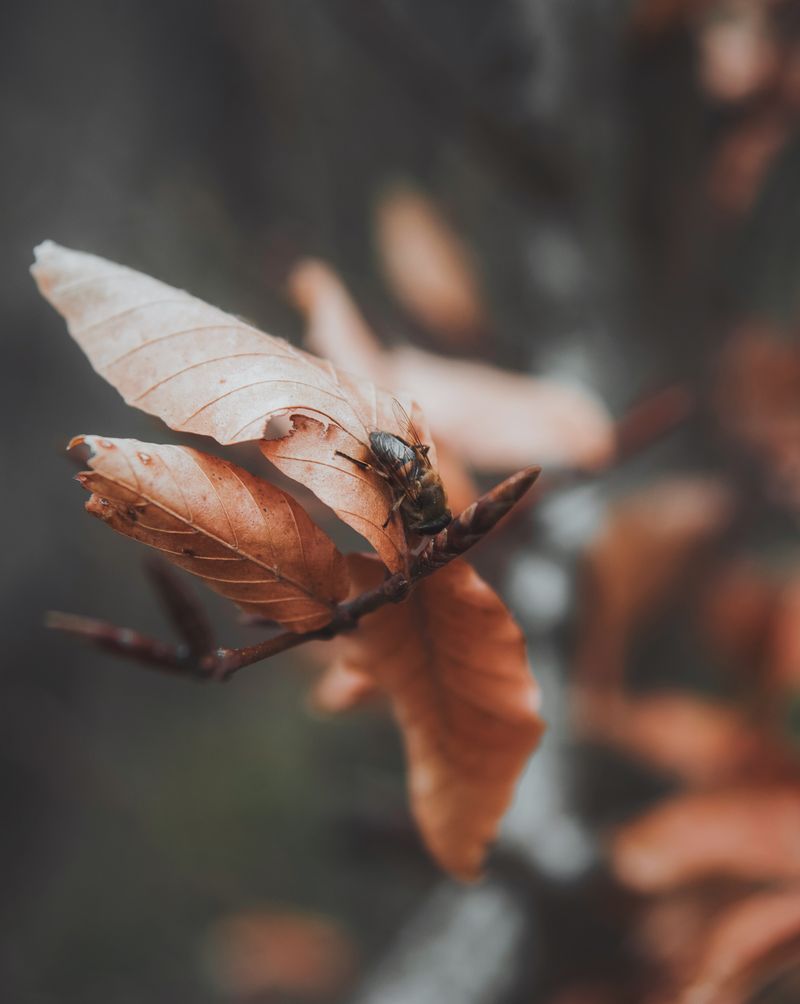
Fall is the second most important pest control season — and for homeowners in the northern half of the country, it may actually be more critical than spring. As temperatures drop in September and October, a predictable sequence of pest invasions begins: mice start seeking shelter, stink bugs and box elder bugs mass on warm exterior walls, yellowjacket queens prepare to overwinter, and overwintering insects of all types try to move inside.
Acting in September — before these invasions begin — is far easier and cheaper than dealing with an established infestation in December.
The Fall Pest Invasion Pattern
Understanding the seasonal timing helps you prioritize:
September:
- Mice begin exploring structures for winter harborage — peak entry period
- Stink bugs (brown marmorated stink bugs) mass on south- and west-facing walls before entering through cracks
- Box elder bugs cluster on warm exterior surfaces
- Yellowjacket queens begin searching for overwinter sites
October:
- Rodent pressure continues — late October is high-activity before true winter
- Multicolored Asian lady beetles mass on light-colored exterior walls and enter through gaps
- Spider populations reach their annual peak indoors
November–December:
- Rodents fully settled in winter harborage inside structures
- Stink bugs and multicolored lady beetles hibernating inside wall voids
- Cluster flies overwinter in walls and attics
The window for prevention: August through mid-October. After that, you’re dealing with an established infestation.
Sealing for Fall: The Priority Task
Fall exclusion is the highest-impact pest prevention action you can take. Focus on every gap through which a mouse (1/4 inch) or a stink bug (smaller) can enter.
Key sealing locations:
Foundation and structure:
- Foundation cracks (hydraulic cement for structural cracks; caulk for hairline cracks)
- Gaps around all utility penetrations — electrical conduit, plumbing, cable, HVAC
- Gaps where different materials meet (wood siding to brick, siding to foundation)
- Gaps at the base of siding where it meets the foundation
Doors and windows:
- Replace worn weatherstripping on all exterior doors
- Install or replace door sweeps on exterior doors
- Check that window screens are intact (second-floor windows are common stink bug entry points)
- Caulk around window frames (exterior)
Roof and upper structure:
- Roof vents without intact screens
- Soffit vents — check for gaps between soffit panels
- Gaps around chimney flashing and at the fascia-to-roof transition
- Gaps around attic vents and gable vents
Tools and products:
- Silicone caulk for gaps around windows, doors, and penetrations
- Expanding foam for larger gaps in non-pest areas (mice chew through foam; use steel wool + foam for rodent-prone areas)
- Xcluder Rodent Control Fill Fabric — stainless steel mesh that mice can’t chew through; for gaps around pipes
- Hardware cloth (1/4 inch) for vent covers
Rodent Fall Action Plan
Fall is the single highest-risk period for new mouse infestations. Field mice that have lived outdoors all summer move to structures as night temperatures drop.
Steps:
-
Inspect for new entry points: Walk the foundation perimeter in late August and September with a flashlight, looking for new gaps and gnaw marks.
-
Seal all gaps immediately: Don’t wait until you have evidence of mice inside — seal first, then set traps as a monitoring measure.
-
Set traps in the garage, basement, and attic: These are the first points of entry. Victor snap traps baited with peanut butter placed along walls in these areas catch mice before they establish in living spaces.
-
Remove outdoor harborage:
- Move firewood off the ground and away from the house
- Clear leaf piles and debris from against the foundation
- Move stored equipment and items away from exterior walls
-
Secure outdoor food sources:
- Bring pet food inside at night
- Ensure compost bins are secure
- Pick up fallen fruit from trees
Stink Bug Prevention
Brown marmorated stink bugs (Halyomorpha halys) are a major fall nuisance throughout the Eastern U.S. They don’t bite, don’t damage the home, and don’t reproduce indoors — but they release a pungent odor when crushed, and large numbers inside walls are unpleasant.
Prevention:
- Seal every possible entry point, including window screen edges and gaps around light fixtures
- Apply a perimeter spray of bifenthrin or deltamethrin to exterior walls in September (particularly south- and west-facing walls, which receive the most sun and attract stink bugs)
If they’re already inside:
- Do NOT crush them — the odor is significant
- Vacuum them up using a bag vacuum; dispose of the bag outside immediately
- Or use a container of soapy water to knock them into
Product recommendation: Ortho Home Defense or Bifen IT applied to exterior walls in September provides residual repellent protection through the invasion period.
Other Fall Overwintering Pests
Multicolored Asian Lady Beetles
Nearly identical in behavior to stink bugs — mass on exterior walls in fall, enter through the same gaps. Prevention is the same: seal gaps and apply a perimeter spray.
Note: these are NOT the same as native ladybugs (which are beneficial and rarely invade in large numbers).
Box Elder Bugs
Black with red markings; mass on south-facing walls near box elder and maple trees. Enter through similar gaps as stink bugs. Same prevention protocol.
Cluster Flies
Larger than house flies, slow-moving, cluster in attics and wall voids to overwinter. Emerge on warm winter days and appear inside the home.
Control: Apply a perimeter spray to exterior walls in September; seal gaps around window and door frames and into attic spaces.
Fall Perimeter Spray Application
A single fall perimeter spray (bifenthrin, lambda-cyhalothrin, or deltamethrin) applied in September provides 4–6 weeks of residual protection — enough to cover the peak invasion period.
Application:
- Apply to the entire foundation perimeter, 3 feet up and 3 feet out
- Apply to exterior walls in areas where stink bugs and overwintering pests aggregate
- Apply around all entry points (doors, windows, vents)
- Apply when temperatures are above 50°F; avoid application before rain
Product recommendations:
- Bifen IT (bifenthrin concentrate) — most cost-effective, long residual
- Suspend SC (deltamethrin) — excellent for stink bugs specifically
- Ortho Home Defense Max — ready-to-use for convenience
Fall Indoor Pest Monitoring
Even with good prevention, some pests will get through. Set up a monitoring system:
- Sticky glue boards: Place in the garage, basement, attic, and crawl space to catch mice and insects early
- Victor snap traps: 2–4 traps in the garage and basement as a monitoring measure
- Inspect the attic and crawl space in October for evidence of mice (droppings, nesting material)
Fall Pest Control Shopping List
| Product | Purpose |
|---|---|
| Exterior silicone caulk | Seal all exterior gaps |
| Xcluder Rodent Fill Fabric | Pipe gap rodent exclusion |
| Door sweeps (metal base) | Under-door gap sealing |
| Bifen IT or Suspend SC | Foundation perimeter spray |
| Victor snap traps (multi-pack) | Rodent monitoring and control |
| Glue boards | Monitoring |
Bottom Line
Fall pest control is overwhelmingly about exclusion and perimeter treatment before the invasion begins. September is the optimal month — when mice and overwintering insects are beginning to look for shelter but haven’t yet found their way in. Seal every gap, apply a perimeter spray, set traps in the garage and basement as a monitoring system, and eliminate outdoor harborage. An hour or two in September prevents weeks of pest management in January.

Kevin Larrabee
Independent trade-focused editorial team