Some links on this site are affiliate links. We may earn a commission at no cost to you. Learn more.
How to Get Rid of Bed Bugs: Complete Treatment Guide

Bed bugs are one of the hardest pests to eliminate. They’re resistant to many pesticides, they hide in dozens of locations throughout a room, and they can survive for months without feeding. A DIY approach can work for early, localized infestations — but most established infestations require professional treatment.
This guide covers everything: DIY treatment protocols, professional options, cost comparison, and what you need to do to prepare for treatment.
Before You Start: Confirm You Have Bed Bugs
Treatment for bed bugs is expensive and labor-intensive. Don’t begin until you have confirmed evidence — live bugs, blood stains, fecal spots, or shed skins. See our guide to identifying bed bugs if you’re uncertain.
How Serious Is Your Infestation?
Treatment approach depends heavily on severity:
Early/localized infestation:
- Few bugs found, confined to one room or one piece of furniture
- No spread to adjacent rooms
- Infestation likely less than 3–6 months old
- DIY treatment is possible but still challenging
Established infestation:
- Bugs found in multiple locations throughout a room
- Spread to adjacent rooms or furniture
- Infestation 6+ months old
- Professional treatment is strongly recommended
Heavy infestation:
- Bugs visible during daytime
- Found in walls, ceiling areas, multiple rooms
- Requires professional treatment — DIY is not sufficient
Option 1: DIY Bed Bug Treatment
A thorough DIY treatment requires multiple products, multiple applications, and significant preparation time. It works best for early infestations and requires consistent effort over 4–6 weeks.
Step 1: Prepare the Room
Preparation is the most important step. Skipping it renders treatment ineffective.
- De-clutter — remove everything from under the bed, in closets, and off floors. Clutter provides harborage.
- Launder all bedding, clothing, and soft items on the hottest settings possible. Dry on high heat for at least 30 minutes — heat is the most reliable bed bug killer (effective at 120°F+). Immediately seal clean items in new, sealed plastic bags.
- Don’t move items between rooms — this spreads bugs to unaffected areas.
- Install ClimbUp Interceptors under each bed leg — these catch bugs trying to climb up or down from the bed.
- Encase the mattress and box spring in a quality bed bug encasement — this traps bugs inside and makes monitoring easier.
Step 2: Heat Treatment (Most Effective DIY Method)
High heat is the only guaranteed bed bug killer that penetrates all hiding spots.
For individual items: Use a portable heat chamber like the ZappBug Oven 2 to heat electronics, books, luggage, and other heat-sensitive items that can’t be laundered.
For the room: Professional whole-room heat treatment is the most effective option, but you can supplement with:
- Clothes dryer: High heat for all launderable items (30+ minutes on high)
- Black bags in sunlight: On a hot day (100°F+), sealing items in black garbage bags and leaving in direct sun for several hours can kill surface bugs — less reliable for items with harborage
Step 3: Chemical Treatment Protocol
Use a combination of products targeting different life stages:
1. Contact spray (kills on contact): Apply to mattress seams, box spring, and furniture joints. Bedlam Plus (clothianidin + imidacloprid) and Temprid SC are professional-grade options that kill adults and nymphs on contact.
2. Residual spray (long-lasting barrier): Apply to baseboards, furniture joints, headboard, and wall edges. SteriFab provides immediate kill, while Crossfire Bed Bug Concentrate (clothianidin + metofluthrin) provides residual activity for several weeks.
3. Dust insecticide: Apply CimeXa Insecticide Dust (amorphous silica) or diatomaceous earth in wall voids (via outlet plates), inside furniture joints, under carpet edges, and in harborage areas. Dusts remain effective for months and kill bugs that escape liquid treatments.
4. Non-toxic enclosure sprays: For the mattress surface and pillow areas, use EcoRaider Bed Bug Killer (cedar oil based) or Bed Bug Patrol — non-toxic options that provide some kill and discourage bugs from settling on the sleep surface.
Step 4: Repeat Treatment
Single application doesn’t work — eggs are resistant to all currently available pesticides. Repeat the full treatment process every 7–10 days for 4–6 weeks to catch newly hatched nymphs before they can breed.
Total typical timeline for successful DIY treatment: 6–8 weeks
Option 2: Professional Pest Control
Chemical Treatment by a Pest Control Company
A licensed pest control technician applies commercial-grade residual insecticides, dusts, and non-repellent products in a coordinated program. Multiple service visits are standard.
Pros: More effective than DIY, expert harborage identification, warranty often included Cons: Chemical exposure in living space, multiple preparation requirements, 3–4 visits required Typical cost: $300–$600 per treatment for a single room; $1,000–$2,500 for a full home
Heat Treatment (Whole Room)
Professional heat treatment raises the temperature of an entire room (or the whole home) to 120–140°F using industrial heaters. This kills all life stages — including eggs — in a single treatment.
Pros: One-day treatment, kills everything including eggs, reaches inside walls and furniture Cons: Higher cost, not all belongings can be exposed to heat (some electronics, vinyl, candles, medications must be removed), may require supplemental chemical treatment for walls Typical cost: $1,000–$2,500 per room; $2,500–$7,500 for a whole home
Fumigation (Vikane / Sulfuryl Fluoride)
Whole-structure fumigation penetrates all areas, including inside walls. Typically used for severe, multi-room infestations in single-family homes.
Typical cost: $3,000–$7,500+
Cryonite (CO2 Freezing)
Carbon dioxide snow freezes bed bugs instantly on contact. Used as a supplement or in heat-sensitive environments. Less common and typically used alongside chemical treatment.
Comparing Your Options
| Method | Effectiveness | Cost (1 room) | Requires Multiple Visits? |
|---|---|---|---|
| DIY chemical | Moderate | $100–$300 | Yes (4–6 weeks) |
| Professional chemical | High | $300–$600 | Yes (3–4 visits) |
| Professional heat | Very High | $1,000–$2,500 | No (1 day) |
| Fumigation | Highest | $3,000+ | No |
What Doesn’t Work
- Bug bombs / foggers: Bed bugs retreat deep into crevices when they detect aerosol. Foggers don’t penetrate harborage sites and often make the infestation harder to treat by dispersing bugs.
- Ultrasonic devices: No scientific evidence they affect bed bugs.
- Essential oils alone: Insufficient to kill an established infestation.
- Alcohol sprays: Kill on contact but no residual activity — dries too quickly to reach hidden bugs.
Get a Free Professional Quote
If you have a confirmed infestation, especially a moderate to heavy one, we strongly recommend getting at least two quotes from licensed pest control companies. Most reputable companies offer free bed bug inspections.
Acting quickly matters — bed bug populations can double every 16 days. Don’t delay treatment.
After Treatment: Prevention
- Keep mattress and box spring encasements on permanently (check after 12 months)
- Leave ClimbUp Interceptors under bed legs as an early warning system
- When traveling, inspect hotel mattresses and headboards before sleeping
- Inspect secondhand furniture before bringing it home
- Wash and dry travel clothing on high heat immediately on return
Bottom Line
Bed bugs are serious pests that require a systematic, persistent treatment approach. For early infestations, a thorough DIY protocol using heat, CimeXa dust, and residual sprays can be effective with consistent effort over 6–8 weeks. For established or heavy infestations, professional treatment — ideally whole-room heat treatment — is the most reliable path to full elimination. Never delay: the longer bed bugs are left untreated, the more extensive and expensive the infestation becomes.
Get our free Pest Prevention Checklist — delivered to your inbox.
No spam. Unsubscribe anytime.
Recommended Product
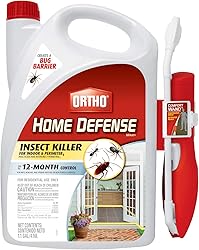
Ortho Home Defense Insect Killer
Creates a long-lasting bug barrier indoors and outdoors. Kills ants, roaches, spiders, and over 130 other insects on contact.
- ✓ Kills 130+ insects
- ✓ Indoor/outdoor use
- ✓ Comfort wand included
- ✓ Odor-free formula
As an Amazon Associate, we earn from qualifying purchases.
Get Your Free Pest Prevention Checklist
Join thousands of readers. Expert tips and guides delivered to your inbox — no spam, ever.
No spam. Unsubscribe anytime. View our Privacy Policy.
Need a Pest Control Pro? Get a Free Estimate
Connect with a certified local exterminator — no obligation.
Affiliate Disclosure
Some of the links on this page are affiliate links. If you click on one of these links and make a purchase, we may receive a small commission at no additional cost to you. This helps support our site and allows us to continue providing free content.
We only recommend products we believe in. All opinions are our own. We are a participant in the Amazon Services LLC Associates Program, an affiliate advertising program designed to provide a means for us to earn fees by linking to Amazon.com and affiliated sites.

Kevin Larrabee
Pest Control Specialist & Founder of Pest Control Insider