How to Get Rid of Drain Flies
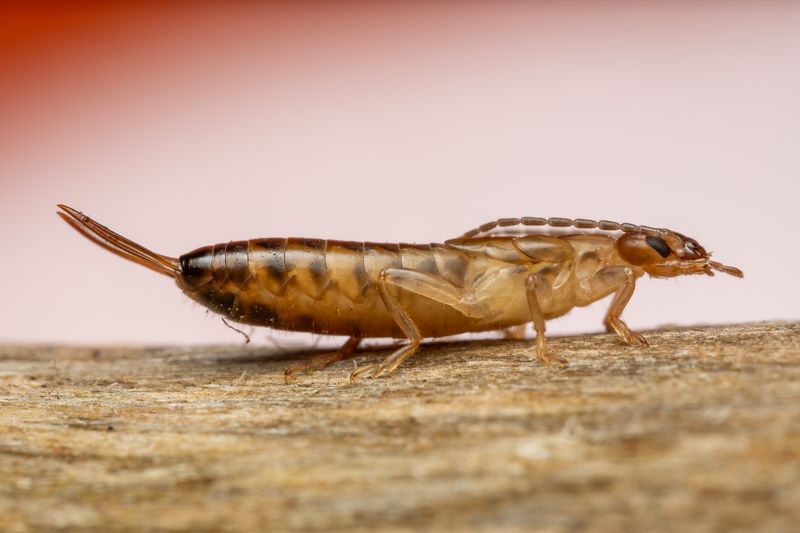
Drain flies — also called moth flies or sewer flies — are often mistaken for fruit flies. They’re both small, both associated with kitchens and bathrooms, and both appear suddenly in large numbers. But they breed in completely different locations and require completely different treatments.
If you spray for fruit flies with no results, or if the flies are concentrated around bathroom sinks and shower drains rather than food areas, you likely have drain flies, not fruit flies.
What Are Drain Flies?
Drain flies (Psychoda species) are tiny flies (about 1/8 inch) that look fuzzy or moth-like up close — their bodies and wings are covered in short hairs. They’re typically dark gray or black. When at rest, they hold their wings roof-like over their bodies (like a tent), which distinguishes them from fruit flies.
Key identification:
- Fuzzy/moth-like appearance with hairy wings
- Resting position: Wings held tent-like over body (fruit flies hold wings flat, angled back)
- Red eyes: Fruit flies have distinctive red eyes; drain flies have small compound eyes
- Location: Concentrated near drains, not near fruit or food
Life cycle: Drain flies breed exclusively in the organic slime film (biofilm) inside drains and pipes. Eggs hatch in 32–48 hours; larvae develop in 9–14 days; total cycle is 1–3 weeks.
The Simple Drain Tape Test
To confirm drain flies are breeding in a specific drain:
- Clean and dry the top of the drain cover
- Apply a strip of clear tape over the drain opening, sticky side down, leaving a gap for air
- Leave overnight
- Check in the morning — drain flies trying to exit will be caught on the tape
A positive tape test confirms that drain is a breeding site.
Step 1: Deep Clean the Drain
The primary treatment for drain flies is physical removal of the biofilm they breed in.
Method 1: Drain Brush
A long, flexible drain cleaning brush (like the Kinetic Long Reach Drain Brush physically scrubs the inside of drain pipes, removing the organic film. This is the most direct approach.
- Remove the drain cover
- Insert the brush and scrub the inside surfaces of the drain thoroughly — 6–12 inches into the pipe
- Flush with hot water
- Scrub the drain cover and the drain ring area thoroughly
- Repeat for all affected drains
Method 2: Boiling Water
Pouring boiling or very hot water down the drain kills larvae and disrupts biofilm. Use 1–2 kettles (not just hot tap water — it needs to be near-boiling). Repeat daily during treatment.
Method 3: Enzyme Drain Cleaner
Enzymatic drain cleaners use biological enzymes to break down and digest the organic buildup inside pipes — the material drain fly larvae feed on.
Top enzyme drain cleaners for drain flies:
- Bio-Clean Drain Septic Bacteria — professional-grade powder; safe for all pipes and septic systems; highly effective for ongoing treatment
- Green Gobbler Drain Fly Killer — liquid enzyme formulation designed specifically for drain fly control; pour down affected drains, leave overnight
- Invade Bio Drain Treatment — professional product widely used by pest control companies; gel formulation that clings to pipe walls
Application:
- Apply enzyme cleaner to dry or minimally wet drains at night (when drains won’t be used)
- Let sit for the maximum contact time recommended (ideally overnight)
- Flush in the morning
- Repeat daily for 1–2 weeks
Enzymes don’t kill adult flies — they destroy the breeding medium, cutting off reproduction.
Step 2: Apply an Insecticide to Drains
To kill larvae and pupae within the drain, a dedicated drain treatment insecticide can supplement enzymatic cleaning.
Gentrol IGR Concentrate (hydroprene) can be diluted and poured into drains. As an insect growth regulator, it prevents larvae from maturing into breeding adults — breaking the life cycle without creating resistance.
American Biosciences Drain Fly Gel is a ready-to-use gel that combines physical cling-to-pipe action with an insecticide.
Step 3: Catch Adult Flies
While the drain treatment takes effect (adults continue for 1–2 weeks after larval breeding is disrupted), catch adult flies with traps:
Apple cider vinegar trap: Pour 1/2 inch of ACV with a drop of dish soap in a small glass near the affected drain. Drain flies are attracted to fermentation smells and will drown in the trap.
Sticky yellow traps: Hung or placed near drains capture adult flies. KATCHY Indoor Insect Trap uses UV light and a sticky capture board.
Step 4: Address All Breeding Sites
Drain flies breed in any drain with organic buildup, including:
- Kitchen sink drain — primary site
- Bathroom sink drain — very common
- Shower drain — buildup of soap scum and hair
- Bathtub drain — similar
- Floor drains in basement, garage, or laundry room — often ignored
- Refrigerator drain pan — pull out the refrigerator and clean the tray underneath
- AC condensate drain lines
- Sump pump basins
- Slow-draining plumbing — anywhere water sits
Treating only the kitchen drain when flies also breed in a bathroom drain will result in persistent activity. Treat ALL drains simultaneously.
Step 5: Clean Drain Hardware
The drain cover, drain ring, and the area just inside the drain opening often hold significant biofilm:
- Remove and clean the drain cover in hot, soapy water
- Use an old toothbrush to scrub the underside
- Clean the area around the drain opening thoroughly
Drain Fly vs. Fruit Fly: Quick Identification
| Feature | Drain Fly | Fruit Fly |
|---|---|---|
| Appearance | Fuzzy, moth-like | Smooth, clear wings |
| Eye color | Dark | Red/orange |
| Wing position at rest | Tent-like | Flat, angled back |
| Primary location | Drains, bathrooms | Fruit, food areas |
| Breeding site | Drain biofilm | Fermenting food, drains |
How Long Does It Take?
With daily enzymatic treatment and drain scrubbing:
- Adult flies continue for 1–2 weeks as adults already emerged continue their life cycle
- Breeding stops within 1 week with consistent treatment
- Complete elimination: 2–3 weeks of consistent treatment
If adult flies persist beyond 3 weeks, there’s a breeding site you haven’t addressed yet.
Prevention
- Monthly enzymatic drain treatment: A monthly pour of enzyme cleaner (Bio-Clean or similar) keeps biofilm from accumulating
- Drain brush quarterly: Periodic physical scrubbing maintains clean drain walls
- Fix slow drains promptly: Standing water in slow drains accelerates biofilm buildup
- Clean refrigerator drip tray monthly
Recommended Products
- Green Gobbler Drain Fly Killer — purpose-built liquid enzyme for drain flies
- Bio-Clean Drain Septic Bacteria — professional-grade powder enzyme; works for prevention too
- Kinetic Long Reach Drain Brush — physical drain scrubbing tool
- Sticky yellow traps — for monitoring and catching adults
Bottom Line
Drain flies are entirely a plumbing hygiene problem — clean the biofilm, and they go away. The combination of enzymatic drain cleaner and physical scrubbing with a drain brush, applied to every affected drain simultaneously, resolves most infestations within 2–3 weeks. Prevention is simple: a monthly enzyme treatment keeps drains clean and drain flies from ever establishing. If you’ve confirmed drain flies (with the tape test) and treated all drains thoroughly without resolution after 3 weeks, it’s worth checking for a slow or partially blocked drain that you may have missed.

Kevin Larrabee
Independent trade-focused editorial team