How to Get Rid of Fruit Flies Fast
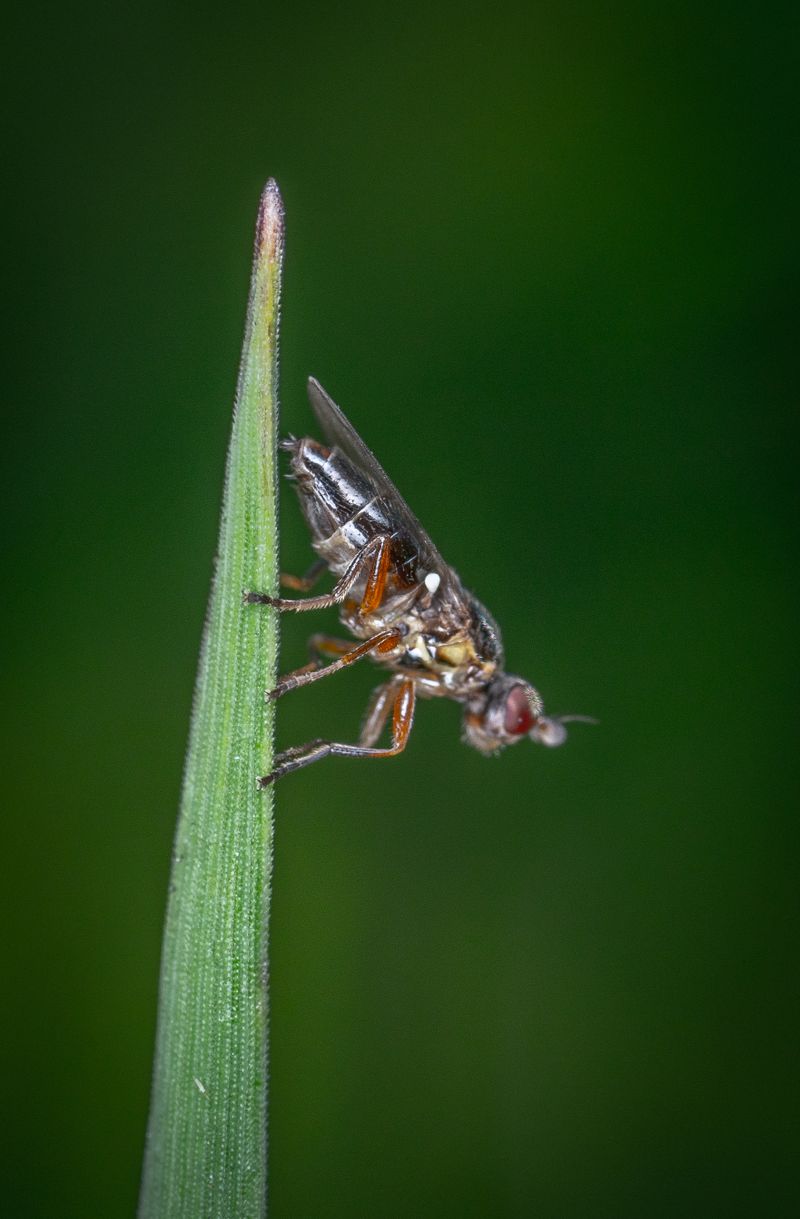
Fruit flies seem to appear from nowhere. One day your kitchen is fine, and the next there’s a cloud of tiny flies hovering over your fruit bowl. The reason: a single female fruit fly lays up to 500 eggs, and those eggs hatch in as little as 24 hours. Within days, a small population becomes a large one.
The good news is fruit flies are one of the easier pest problems to eliminate — once you understand why they’re there.
What Are Fruit Flies, Exactly?
Fruit flies (Drosophila melanogaster) are tiny flies (about 1/8 inch) with red eyes and a tan or brownish body. They’re attracted to fermenting, overripe, or rotting organic material — primarily fruit and vegetables, but also:
- Beer, wine, and liquor residue
- Vinegar and fermented products
- Overripe or damaged fruit
- Moist organic buildup in kitchen drains
- Mop heads and dirty sponges
- Spilled juice or alcohol in trash cans
- Potting soil from houseplants
Fruit flies don’t come from nowhere — they either enter your home from outside (through screens, open doors, or on purchased produce) or they hatch from eggs already present on fruits and vegetables.
Don’t confuse with drain flies: Drain flies are smaller, darker, and look “fuzzy” — they breed exclusively in organic buildup inside drains. Fruit flies have red eyes and a distinct tan body. Treatment differs between the two.
Step 1: Eliminate the Breeding Source
This is the most critical step. Traps will catch adults, but if you don’t eliminate breeding sites, new flies will continue to hatch indefinitely.
Check and remove:
- Overripe or damaged fruit: Throw away any fruit that’s past its prime or shows soft spots. This is the #1 breeding site.
- Forgotten produce: Look for potatoes, onions, or tomatoes that have started to rot or ferment.
- Recycle bins and trash cans: Rinse all bottles and cans before recycling. Clean the bottom of trash cans with a bleach solution.
- Empty bottles: Beer, wine, and liquor bottles left with even a small amount of residue attract hundreds of flies.
- Drains: Pour boiling water down kitchen and bathroom drains. Follow with a enzyme drain cleaner.
- Mop heads and sponges: These harbor fermenting bacteria. Replace regularly or sanitize weekly in the dishwasher.
- Refrigerator drip tray: Pull out your refrigerator and clean the drip tray underneath — a frequently overlooked source.
Step 2: Set Fruit Fly Traps
Traps alone won’t solve the problem, but they dramatically reduce adult populations while you eliminate breeding sources.
Apple Cider Vinegar Trap (DIY — Most Effective)
- Pour 1/2 inch of apple cider vinegar into a glass or bowl
- Add a drop of dish soap (breaks surface tension so flies sink and drown)
- Cover with plastic wrap and poke small holes with a toothpick
- Alternatively, leave the dish open — the soap alone is usually sufficient
Replace every 2–3 days. Place traps near the fruit bowl, near drains, and anywhere you see fly activity.
Why apple cider vinegar? It smells like fermenting fruit — exactly what fruit flies are looking for. Red wine also works well.
Commercial Fruit Fly Traps
TERRO Fruit Fly Traps are small, apple-shaped containers pre-filled with a fruit fly attractant. They’re discreet and effective — useful if you want a less visible option than a bowl of vinegar.
Aunt Fannie’s FlyPunch is another popular commercial option that uses a non-toxic fermented solution in a lidded container with holes.
Sticky Yellow Traps
Small yellow sticky traps placed near plants, drains, and fruit bowls catch fruit flies along with fungus gnats (if your houseplants are also contributing).
Step 3: Treat the Drains
Kitchen and bathroom drains are a major and often overlooked breeding site. A thin film of organic buildup inside drain pipes provides a perfect breeding environment.
How to treat drains:
- Boiling water: Pour a kettle of boiling water down the drain twice a week for 2 weeks
- Enzymatic drain cleaner: Bio-enzymatic drain cleaners (like Bio-Clean or Green Gobbler Fruit Fly Killer break down the organic film that fruit flies breed in. Pour down the drain, let sit overnight, and flush
- Bleach: A diluted bleach solution (1 cup bleach per gallon of water) poured slowly down the drain kills larvae and disrupts breeding — but avoid using bleach in septic systems
- Drain brush: Use a long flexible drain cleaning brush to physically scrub the inside of the drain pipe
Check bathroom drains too — fruit flies often breed in hair and soap scum buildup in bathroom sink drains.
Step 4: Clean Up Thoroughly
- Wipe down the interior of your trash can with a bleach solution and let dry
- Clean the area under your fruit bowl if there’s any moisture or residue
- Wipe up any juice or liquid spills immediately — even a small spill behind the countertop provides enough food for a breeding population
- Clean the refrigerator’s rubber door gasket, which often traps organic debris
- Wash dishes promptly — residue in the sink attracts flies
Step 5: Fruit Storage Changes
Changing how you store produce is the best long-term prevention.
- Refrigerate susceptible fruits: Berries, peaches, plums, tomatoes, and overripe fruit should go in the refrigerator
- Inspect produce before buying: Fruit flies are often already present as eggs on purchased produce, particularly berries, tomatoes, and mushrooms
- Use airtight containers for fruit bowls: Store bananas, apples, and pears in covered containers or paper bags
- Wash fruit immediately after purchase: This removes surface eggs
How Long Does It Take to Eliminate Fruit Flies?
With thorough source elimination and trap placement:
- 3–5 days if you find and remove all breeding sources promptly
- 1–2 weeks if breeding sources are in drains (takes time for enzyme treatments to work)
- Longer if there are hidden breeding sources (behind the refrigerator, in a recycling pile, in a forgotten bag of potatoes)
If you’re still seeing fruit flies after 2 weeks of consistent effort, there’s a breeding source you haven’t found yet. The most common overlooked sources are the refrigerator drip tray, a hidden bottle under a cabinet, or drain buildup.
Fruit Flies vs. Fungus Gnats: Know the Difference
Fungus gnats are similar in size to fruit flies but darker and spindlier. They breed in moist potting soil — not in drains or fruit. If your problem is concentrated around houseplants, you likely have fungus gnats, not fruit flies. Treatment differs: for fungus gnats, let soil dry between waterings and apply Bonide BT Biological Insecticide to the soil surface.
Recommended Products
- TERRO Fruit Fly Trap — Discreet, ready-to-use trap
- Green Gobbler Fruit Fly Killer — Enzyme drain treatment
- Bio-Clean Drain Cleaner — Biological drain treatment, safe for septic systems
- Aunt Fannie’s FlyPunch — Non-toxic fruit fly attractant trap
Prevention Checklist
- Never leave overripe fruit on the counter
- Rinse all bottles and cans before recycling
- Clean drains monthly with an enzymatic cleaner
- Refrigerate tomatoes, berries, and soft fruit
- Empty and clean trash cans weekly
- Replace mop heads and sponges regularly
- Inspect produce at the store for signs of damage or eggs
Bottom Line
Fruit flies are a symptom, not just a nuisance. They exist because there’s fermenting organic material somewhere in or near your kitchen. Remove the source, set a few ACV traps to catch the adults, treat the drains, and clean up moisture and residue. Most infestations clear up within a week. The one exception is drain infestations, which take consistent treatment over 2–3 weeks to fully resolve.

Kevin Larrabee
Independent trade-focused editorial team