How to Get Rid of House Centipedes
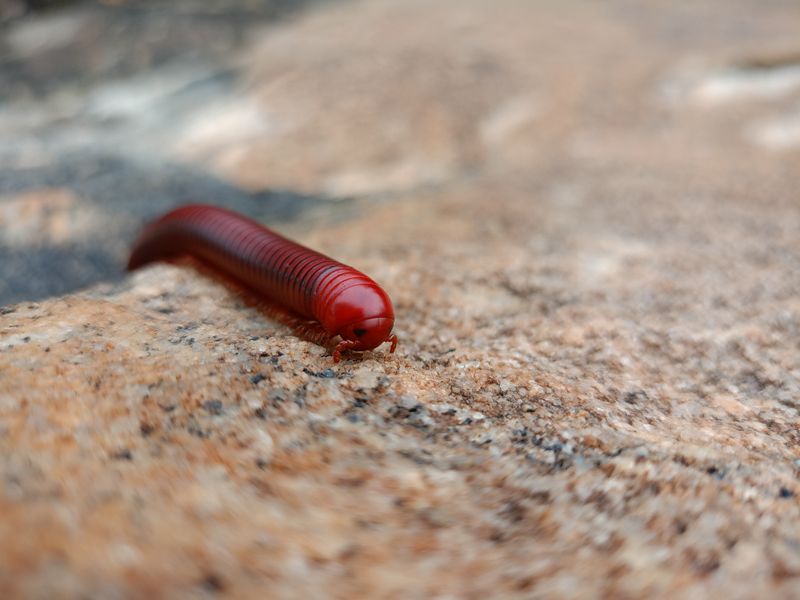
Few insects cause as much alarm as the house centipede. With its long, spindly legs, rapid movement, and disturbing appearance, finding one in your bathroom or basement is enough to send most people scrambling. But here’s the thing: house centipedes are actually beneficial. They eat spiders, cockroaches, silverfish, ants, and other household pests.
That said, nobody wants dozens of fast-moving, many-legged creatures in their home. Here’s how to understand, reduce, and prevent house centipede populations.
What Is a House Centipede?
The house centipede (Scutigera coleoptrata) is a yellowish-gray arthropod with 15 pairs of long, banded legs. Adults grow to about 1–1.5 inches in body length (legs can extend much further). They move incredibly fast — up to 1.3 feet per second — and are among the most visually startling of common household pests.
Key facts:
- They’re venomous, but their jaws are rarely strong enough to pierce human skin. A bite (which almost never happens unprovoked) causes minor, bee-sting-like pain.
- They’re highly beneficial — a single centipede can consume dozens of insects per week
- They live 3–7 years
- Unlike most centipedes, house centipedes can actually thrive and reproduce indoors
Where they’re found:
- Bathrooms (around the tub, toilet, and sink — they need moisture)
- Basements and crawl spaces
- Laundry rooms
- Around water heaters
- Dark, humid areas throughout the home
Why House Centipedes Are in Your Home
House centipedes follow two things: moisture and prey. Their presence is almost always an indicator of one or both:
- High indoor humidity or moisture problems — Centipedes need moisture to breathe (through spiracles on their body). They dehydrate quickly in dry environments.
- An existing insect population — If you have centipedes, you almost certainly have the pests they’re eating: cockroaches, silverfish, ants, spiders, or other insects.
This is the critical insight: Treating centipedes without addressing the underlying moisture and insect problems will produce temporary results at best.
Step 1: Reduce Moisture and Humidity
This is the most impactful action you can take. Centipedes cannot survive in dry environments.
- Run a dehumidifier in the basement and any damp areas. Target: below 50% relative humidity
- Fix plumbing leaks — any dripping pipe under a sink or around a water heater provides moisture
- Improve bathroom ventilation — run exhaust fans during and 20 minutes after showers
- Seal crawl space vents and install a vapor barrier to reduce ground moisture intrusion
- Ensure gutters direct water away from the foundation — pooling water against the foundation contributes to basement moisture
Step 2: Address the Underlying Pest Population
Centipedes are in your home because other insects are there. Identify and address those pests:
- Inspect for cockroach activity — behind appliances, in kitchen cabinets, under sinks
- Check for silverfish — in bathroom cabinets, books, storage areas
- Look for ant trails — along baseboards, around food storage areas
- Check for spider populations — in basements, garages, and attics
Eliminating the centipede’s food supply is the most reliable long-term control strategy.
Room-by-Room Moisture Audit
Because house centipedes prefer damp, protected spaces, a moisture audit is often more useful than another spray application.
| Area | What to check | Practical fix |
|---|---|---|
| Basement | Condensation on walls, stored cardboard, floor cracks | Run a dehumidifier, move storage into bins, seal cracks |
| Bathroom | Leaky toilet supply, damp bath mat, slow exhaust fan | Repair leaks, wash mats, run the fan after showers |
| Kitchen | Sink cabinet drips, dishwasher line seepage | Dry the cabinet and replace failing supply lines |
| Crawl space | Bare soil, poor vapor barrier, foundation vents | Add vapor barrier coverage and correct drainage |
| Laundry area | Washer hose leaks, lint, standing water | Replace old hoses and keep the floor dry |
Aim for indoor humidity below about 50% in problem rooms. If a dehumidifier fills daily, look for a drainage or ventilation issue rather than treating centipedes as the primary problem.
Step 3: Seal Entry Points
House centipedes enter through gaps around pipes, cracks in the foundation, and gaps under exterior doors. Once inside, they move between rooms through gaps in walls.
Seal these locations:
- Gaps around plumbing under every sink
- Gaps around utility pipes entering through foundation walls
- Cracks in the basement foundation (use hydraulic cement for structural cracks, caulk for minor surface cracks)
- Gaps under exterior doors (door sweeps)
- Gaps around floor drains
Step 4: Reduce Outdoor Harborage
Like most home-invading pests, centipedes often live outdoors first and move inside as conditions change.
- Move mulch, leaf litter, and wood piles at least 12 inches from the foundation
- Clear dense ground cover and low-growing vegetation from against the house
- Remove rocks and debris from around the foundation perimeter
Step 5: Use Sticky Traps for Monitoring and Capture
Non-toxic sticky traps placed along baseboards in damp areas (bathrooms, basement perimeter, laundry rooms) will capture centipedes and give you a sense of population size.
Catchmaster Pest Traps and standard glue boards work well. Place boards flat along baseboards — centipedes move along edges and will cross them.
Step 6: Apply Residual Insecticide (If Needed)
If centipede populations are very high and the above steps haven’t been sufficient, a targeted application of residual insecticide can reduce numbers quickly.
Effective options:
- Deltamethrin (Suspend SC) or bifenthrin (Talstar) applied along baseboards, around plumbing penetrations, and in basement perimeter areas
- Diatomaceous earth applied in wall voids, under appliances, and in crawl spaces — a non-toxic physical insecticide that damages centipedes’ exoskeletons
- Cyzmic CS (lambda-cyhalothrin) as a perimeter spray around the exterior
Focus application on perimeter areas and entry points rather than broad indoor spraying.
Always follow the product label for indoor sites, dilution, ventilation, and re-entry timing. A targeted crack-and-crevice treatment is more appropriate for centipedes than broad application across floors where children or pets spend time.
The Honest Perspective on House Centipedes
Many pest control experts will tell you that house centipedes should simply be tolerated — they’re eating worse pests and causing no actual damage. If you find one or two per month and address the underlying moisture and insect issues, the population will self-regulate.
However, if you’re finding centipedes daily, especially in living areas like bedrooms, this indicates an underlying pest problem that’s significant enough to warrant professional inspection.
When to Call a Professional
- You’re finding large numbers (5+ per week) despite addressing moisture
- You suspect a significant cockroach or rodent infestation providing the food supply
- You have significant foundation moisture problems that require structural attention
- Centipedes are consistently appearing in bedrooms and living areas
Prevention Checklist
- Run a dehumidifier in the basement year-round
- Fix all plumbing leaks and drips
- Seal foundation cracks and gaps around pipes
- Remove mulch and debris from around the foundation
- Address any cockroach or silverfish infestation driving the food supply
- Install door sweeps on exterior doors
- Place sticky traps in bathrooms and basement to monitor activity
Bottom Line
House centipedes are a symptom of moisture and/or an underlying insect population. The most effective control strategy focuses on those root causes: dry out the space, eliminate the prey insects, and seal entry points. Centipede numbers will drop naturally. If you need faster results, sticky traps and targeted perimeter insecticide treatments can help — but the long-term solution is always addressing what brought them inside in the first place.

Kevin Larrabee
Independent trade-focused editorial team