How to Get Rid of Raccoons: Safe and Legal Removal Methods
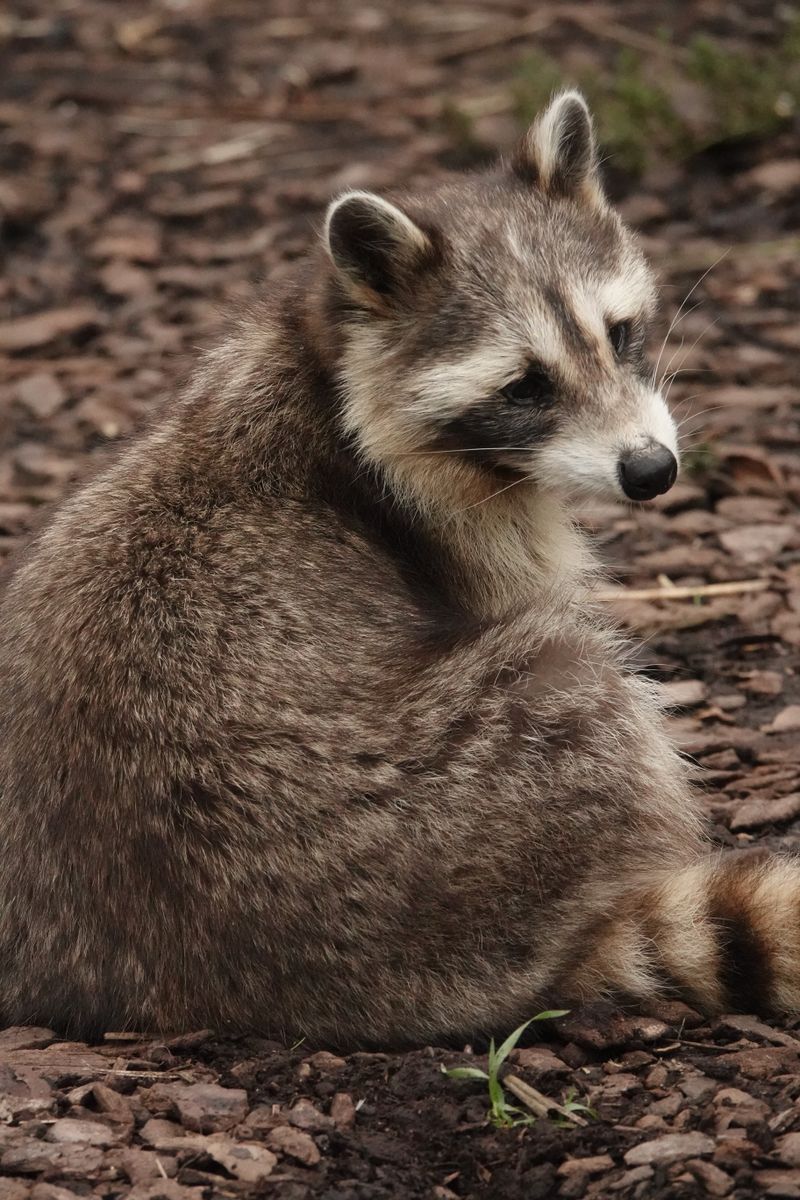
Raccoons are among the most intelligent and adaptable wildlife species in North America. Their dexterous front paws, problem-solving ability, and comfort near humans make them one of the most challenging nuisance wildlife species to manage. They can cause significant property damage — tearing open roofs to enter attics, raiding garbage cans nightly, destroying gardens, and killing chickens.
This guide covers how to safely and legally address raccoon problems on your property.
Understanding Raccoon Behavior
Before attempting removal, understanding raccoon behavior improves your chances of success.
Activity patterns:
- Primarily nocturnal — most active from dusk to dawn
- Peak activity: spring (females nursing young) and late fall (pre-hibernation feeding)
- Home range: 1–3 miles for males, smaller for females with young
Why they’re on your property:
- Food: Unsecured trash, pet food left outside, bird feeders, vegetable gardens, fallen fruit, compost piles
- Shelter: Attics, chimneys, decks, and crawl spaces — particularly for females raising young
- Water: Any standing water source
Health risks:
- Rabies: Raccoons are the primary wildlife carrier of rabies in the U.S. Never handle a raccoon directly. Any raccoon that’s active during daylight, behaving unusually, or approachable may be rabid — contact animal control immediately.
- Raccoon roundworm (Baylisascaris procyonis): A serious parasitic infection found in raccoon feces. Can infect humans and pets — particularly dangerous for children. Never handle raccoon feces without proper PPE.
- Leptospirosis: Bacterial infection transmitted through raccoon urine.
Step 1: Remove All Food Sources
This is the most critical step. Raccoons have excellent spatial memory and return to food sources reliably. Eliminate every attractant.
Trash and garbage:
- Use heavy-duty, bungee-secured trash cans or those with raccoon-proof locking lids
- Toter Bear-Tough Latch Lid cans are specifically designed to resist raccoon access
- Store cans in a garage or shed until collection day
- Rinse food containers before disposal to reduce odors
Pet food:
- Never leave pet food outdoors overnight — bring it inside each evening
- Feed pets at set times and remove bowls when finished
Bird feeders:
- Raccoons will tear apart hanging feeders to access seed
- Use baffled poles (below the feeder) to prevent climbing
- Remove feeders entirely if raccoon pressure is heavy
Garden and fruit trees:
- Install electric fence around vegetable gardens (see below)
- Collect fallen fruit daily
- Use motion-activated sprinklers in garden areas
Compost:
- Use a fully enclosed compost bin rather than an open pile
- Never add meat, fish, or cooked foods to outdoor compost
Step 2: Exclude Raccoons from Structures
If raccoons are accessing attics, chimneys, decks, or crawl spaces:
Chimneys:
- Install a chimney cap — the single most effective chimney exclusion measure
- Heavy-gauge stainless steel caps with spark arrestors (like Rockford Chimney Cap are difficult for raccoons to remove
Attics:
- Raccoons typically enter through damaged fascia boards, roof-to-wall gaps, or by tearing open weak areas in the roof
- Follow the same inspection process as for squirrel exclusion — identify all entry points
- Do not seal an active entry during May–August when young may be present — the mother will tear through your siding to get back to her young
- Use one-way exclusion devices at the main entry, then seal all secondary points
- Once you confirm all animals have exited, seal the primary entry with heavy-gauge hardware cloth and wood repair
Decks and crawl spaces:
- Install L-shaped hardware cloth barrier around the perimeter of the deck, buried 12 inches into the ground and extending 12 inches outward horizontally (the L-shape prevents digging)
- This same technique works for crawl space foundation vents and gap-closed perimeters
Step 3: Use Deterrents
Motion-Activated Sprinklers
Orbit Yard Enforcer motion-activated sprinklers provide an effective, humane deterrent. A sudden burst of water startles raccoons and conditions them to avoid the area. Particularly effective in gardens and around bird feeders.
Motion-Activated Lights
Raccoons prefer dark conditions. Motion-activated floodlights installed around chicken coops, garden areas, and entry points can discourage nocturnal activity.
Ammonia
The smell of ammonia (mimicking predator urine) may deter raccoons from specific areas. Soak rags in ammonia and place near the area you want to deter access. Not highly reliable and requires frequent replacement.
Commercial Deterrent Sprays
Sprays based on coyote urine or capsaicin may provide temporary deterrence in garden areas. Reapplication after rain is required and effectiveness varies significantly.
Step 4: Electric Fence
For persistent problems in gardens, chicken coops, or specific outdoor areas, a properly installed electric fence is highly effective.
A simple 2-wire electric fence (one wire at 4 inches off the ground, one at 8 inches) around a garden delivers a harmless but memorable shock that most raccoons avoid after a single experience.
Zareba Systems and Parmak make reliable low-cost electric fence chargers suitable for homeowner use.
Live Trapping: Considerations
Live cage traps are widely available and effective for capturing individual problem raccoons.
Havahart Model 1079 (Large, 42 x 15 x 15 inches) is the appropriate size for adult raccoons.
Baiting: Marshmallows, cat food, watermelon, or sweet corn are effective raccoon baits.
Critical legal considerations:
- Raccoons are classified as furbearers or game animals in most states
- Many states require a depredation permit to trap and relocate raccoons
- Relocation often requires release within the same county or on private land
- Some states prohibit relocation entirely and require euthanasia of trapped raccoons
- Contact your state wildlife agency before trapping to understand your legal options
Risks of trapping:
- Females with young: If a nursing female is trapped, young in the nest will die — creating an odor problem and complicating removal
- Safety: Do not attempt to handle trapped raccoons — they bite and scratch aggressively, and rabies transmission risk is real
When to Call a Wildlife Removal Professional
Call a licensed wildlife removal operator if:
- Raccoons are in your attic, chimney, or crawl space (especially with young)
- You suspect rabies (raccoon active in daylight, aggressive, staggering)
- State regulations require a permit for trapping and you’re uncertain about the process
- The problem is persistent despite removing food sources and applying deterrents
A licensed wildlife removal professional can:
- Perform a thorough exclusion inspection
- Remove raccoons legally and safely
- Handle young animals appropriately
- Provide a warranty against re-entry
Cleanup After Raccoon Activity
Raccoon latrines (locations where raccoons repeatedly defecate — often on roofs, attic areas, or flat surfaces) require careful cleanup.
Raccoon roundworm eggs are resistant to most disinfectants and survive in soil for years. Cleanup protocol:
- Wear disposable coveralls, rubber gloves, and an N95 or P100 respirator
- Wet the area with hot water and soap (to minimize dust/aerosols)
- Collect feces in heavy plastic bags and seal
- Flame the area — a propane torch applied briefly to contaminated soil is effective for killing roundworm eggs (the only reliable method)
- Dispose of all materials in sealed bags in outdoor trash
- Wash thoroughly with soap and hot water
Before hiring wildlife control, verify the operator is licensed for your state, confirm the removal method is legal, and get exclusion repairs and warranty terms in writing.
Prevention Checklist
- Install raccoon-proof trash can latches
- Never leave pet food outside overnight
- Install chimney cap and repair all roof/attic entry points
- Remove bird feeders or mount on baffled poles
- Install electric fence around garden and chicken coop
- Remove fallen fruit and nuts daily
- Enclose compost in a sealed bin
Bottom Line
Raccoon control requires removing the food sources and sheltering opportunities that attract them, combined with exclusion of any structures they’ve entered. Deterrents and live trapping can supplement these measures. Always check your state’s regulations before trapping, and never handle raccoons directly. For attic infestations — particularly with young — a licensed wildlife removal professional is the safest and most reliable option.

Pest Control Insider Editorial Team
Independent trade-focused editorial team