How to Get Rid of Silverfish
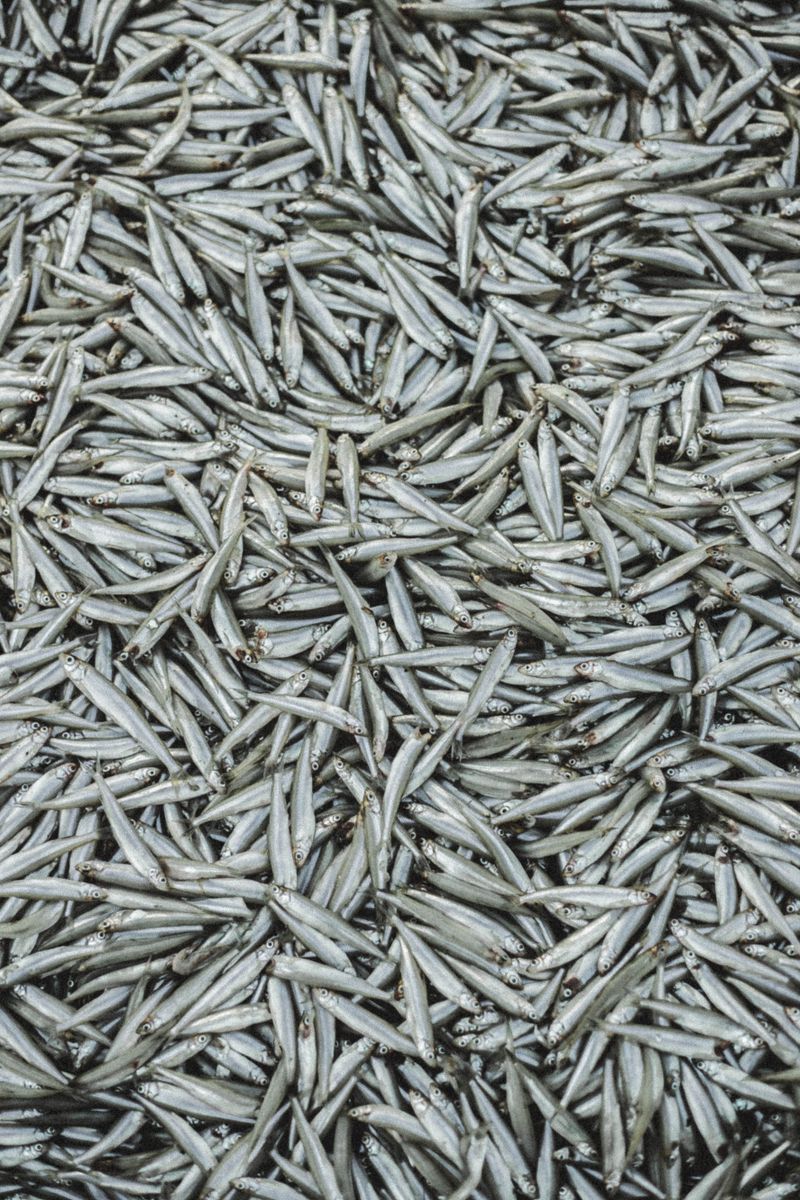
Silverfish are one of the oldest insects on Earth — they’ve existed for over 400 million years, long before the dinosaurs. They’re also one of the most resilient household pests. These teardrop-shaped, silver-scaled insects can live for 2–8 years and go months without food. But with the right treatment, you can eliminate them and protect your home and belongings.
What Are Silverfish?
Silverfish (Lepisma saccharina) are small (1/2 to 3/4 inch), wingless insects with a distinctive carrot-shaped body covered in shimmery silver scales. They move in a fish-like, wriggling motion — hence the name.
Key characteristics:
- Nocturnal — you’ll rarely see them during the day
- Extremely fast runners
- Love high humidity (70–90%) and temperatures between 70–80°F
- Feed on carbohydrates and starches: book bindings, wallpaper paste, clothing, paper, flour, oats, and dried pasta
Related species: Firebrats look similar but prefer warmer, drier environments (around ovens and furnaces). Treatment is the same.
Identifying Silverfish Damage
Silverfish damage is distinctive:
- Irregular holes or notches in paper, books, and cardboard
- Yellow stains on paper — from their excrement
- Surface scraping on wallpaper with paste-based adhesive
- Damage to natural-fiber clothing (silk, linen, cotton) in storage
- Tiny black pepper-like droppings near feeding areas
- Shed scales (tiny silvery specks) near hiding spots
Where to Find Silverfish
Silverfish live in dark, humid areas. Inspect:
- Basements and crawl spaces
- Bathroom vanities and under sinks
- Around water heaters and washing machines
- Attics (particularly around insulation)
- In books and bookshelves in damp rooms
- Behind wallpaper and inside wall voids
- Kitchen pantries (near cereal and flour)
- Cardboard boxes in storage
Step 1: Reduce Humidity
Silverfish require high humidity to survive. Bringing indoor humidity below 50% makes your home hostile to them.
How to reduce humidity:
- Run a dehumidifier in the basement, bathroom, and other damp areas. Target: below 50% relative humidity
- Fix plumbing leaks — even minor drips under sinks raise local humidity significantly
- Improve ventilation in bathrooms (exhaust fans running during and 20 minutes after showers)
- Ensure crawl space vents are open and functional
- Install a vapor barrier in the crawl space if moisture comes through the soil
- Seal around plumbing penetrations to prevent moisture intrusion
A quality dehumidifier like the Frigidaire 50-Pint Dehumidifier or hOmeLabs Dehumidifier runs continuously in problem areas and can dramatically reduce silverfish populations over weeks.
Room-by-Room Control Plan
| Area | Why silverfish like it | Best control move |
|---|---|---|
| Bathroom | Warmth, humidity, paper labels, cardboard packaging | Run the fan, dry bath mats, place traps behind the toilet |
| Basement | Damp storage, cardboard, book boxes | Dehumidify and move paper items into sealed plastic bins |
| Kitchen | Crumbs, flour, cereal, pet food | Use airtight containers and vacuum cabinet corners |
| Laundry room | Lint, warmth, floor drains | Clean lint buildup and check for slow leaks |
| Attic | Old paper, insulation voids, roof leaks | Fix moisture sources before applying dusts |
If silverfish show up in several rooms at once, treat humidity as the primary issue. If they are concentrated around one cabinet, bookshelf, or storage box, the source is usually local and easier to eliminate.
Step 2: Apply Diatomaceous Earth
Food-grade diatomaceous earth (DE) is a non-toxic, physical insecticide that damages silverfish’s exoskeletons, causing them to die from dehydration. It’s the safest and most effective chemical-free treatment for silverfish.
Where to apply:
- Along baseboards in bathrooms, basements, and bedrooms
- In the back of closets and behind furniture
- Under and behind appliances
- In the attic around the perimeter
- In crawl spaces along floor joists
- Inside bookshelves (on shelves, not directly on books)
Apply a very light, barely visible layer — a heavy pile is less effective because silverfish walk around it. Use a duster applicator for precision in hard-to-reach areas.
Harris Diatomaceous Earth comes with an applicator and is one of the most trusted food-grade options.
Step 3: Use Boric Acid
Boric acid is more effective than DE in some applications — particularly in hidden areas like wall voids, under appliances, and inside cabinets. It’s a low-toxicity mineral that disrupts silverfish’s digestive and nervous systems.
Application tips:
- Use a bulb duster to puff light amounts into wall voids via outlet cover plates
- Apply under the kitchen sink and bathroom vanity cabinet in thin layers
- Place in attic insulation areas where silverfish are found
- Do NOT apply where children or pets can contact it directly
Zap-A-Roach Boric Acid and Harris Boric Acid Powder both include applicators suitable for precision application.
Do not mix boric acid with food bait in living spaces unless the product is specifically labeled for that use. Keep dusts out of HVAC returns, pet bedding, and kitchen prep surfaces.
Step 4: Set Silverfish Traps
Silverfish traps — typically a sticky base inside a cardboard “house” lined with bait — are a safe, non-toxic way to monitor populations and capture silverfish.
Dekko Silverfish Paks are a boric-acid-based bait in a paper packet. Silverfish eat the paper (which they’re attracted to) and ingest the boric acid. Place paks in bookshelves, inside closets, in bathroom vanities, and in the attic.
Bug-N-Sluggo Silverfish Traps are sticky traps specifically designed to attract and capture silverfish in paper-lined enclosures.
Step 5: Eliminate Food and Harborage Sources
Protect paper and fabric:
- Store important books, photos, and documents in sealed plastic containers
- Use cedar or lavender sachets in closets (silverfish dislike strong smells)
- Seal natural-fiber clothing in airtight garment bags for seasonal storage
- Avoid stacking old newspapers or magazines in damp areas
Reduce cardboard:
- Replace cardboard storage boxes with plastic bins, especially in basements, attics, and garages
- Silverfish readily colonize cardboard boxes used for long-term storage
Seal the pantry:
- Store flour, oats, cornmeal, and other starchy foods in airtight glass or hard plastic containers
- Silverfish can chew through thin plastic bags
Step 6: Seal Entry Points and Harborage
- Caulk gaps along baseboards, around pipes, and in cabinet interiors
- Repair damaged wallpaper (silverfish feed on the paste underneath)
- Seal around electrical outlets with foam gaskets
- Fix damaged or missing weatherstripping
How Long Does It Take?
With humidity reduction, DE application, and trapping:
- 2–4 weeks to see a notable reduction in sightings
- 2–3 months for a heavily infested area to show significant improvement
- Ongoing: Maintaining low humidity is the most important long-term factor
When to Call a Professional
- You have silverfish in walls and can’t access the areas with DIY treatments
- You have a heavy infestation spanning multiple rooms after 8+ weeks of DIY effort
- You suspect related structural moisture problems (wood rot, mold) that need assessment
Prevention Checklist
- Maintain indoor humidity below 50%
- Store books and documents in sealed plastic containers
- Replace cardboard boxes with plastic storage bins
- Apply DE along basement baseboards seasonally
- Store pantry staples in airtight containers
- Place Dekko Silverfish Paks in bathrooms and bookshelves
- Fix plumbing leaks promptly
Bottom Line
The single most impactful thing you can do for silverfish is reduce indoor humidity. Without the damp, warm environment they require, silverfish populations collapse on their own. Pair a dehumidifier with diatomaceous earth application and Dekko bait paks, and most infestations clear up within 4–8 weeks. For persistent infestations in inaccessible areas, a pest professional can apply professional-grade residuals into wall voids.

Kevin Larrabee
Independent trade-focused editorial team