How to Get Rid of Spiders (Without Chemicals)
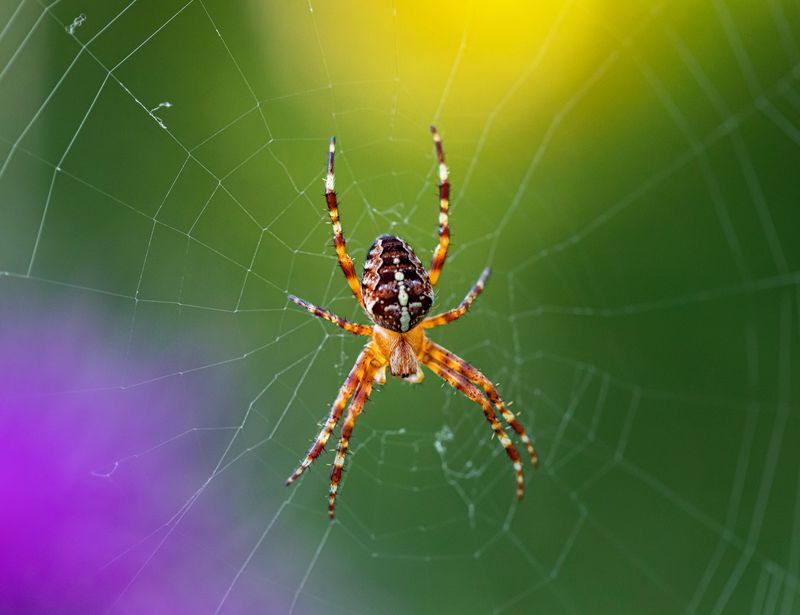
Most spiders in your home are harmless — they eat other insects and pose no real threat to humans. But that doesn’t make finding one in the bathroom any less unpleasant. Whether you want to reduce spider populations without pesticides or you’re dealing with a genuine infestation, this guide walks you through the most effective non-chemical approaches.
Know Your Spider: Which Ones Actually Matter
Before reaching for a can of spray, it’s worth knowing what you’re dealing with.
Completely Harmless (But Unwelcome)
Common house spider — The most frequently encountered indoor spider. Builds messy, funnel-shaped webs in corners. Brown, about 1/4 inch body. No threat to humans.
Cellar spider (Daddy Long Legs) — Long, spindly legs, small body. Hangs upside down in webs in basements and corners. Completely harmless. Despite popular myth, they do not have venom potent enough to harm humans — they barely have functional fangs.
Jumping spiders — Small, compact spiders with large front eyes. Often found on windowsills chasing flies. Harmless and actually entertaining to watch.
Wolf spiders — Large, fast-moving, and often alarming. Brown with patterned markings. Ground-dwelling — no webs. Harmless, but they’ll bite if handled aggressively.
Potentially Dangerous
Black widow — Shiny black body with a red hourglass marking on the underside. Found in dark, sheltered areas: garages, wood piles, storage areas, outdoor furniture. Their venom is neurotoxic — bites are rarely fatal but require medical attention.
Brown recluse — Tan to brown, violin-shaped marking on the back. Found in the South and Midwest, particularly in undisturbed areas like closets, attics, and storage boxes. Their bite can cause necrotic tissue damage. Often misidentified — many “brown recluse” bites are actually from other causes.
If you suspect black widows or brown recluses, consider a professional inspection.
Why Spiders Enter Your Home
Spiders don’t come inside for food (they can find insects anywhere) — they follow their prey. If you have a spider problem, you likely have an underlying insect problem. Spiders are, in fact, excellent indicators of other pest activity.
Spiders also enter homes:
- Seeking shelter during fall and winter
- Following light sources that attract flying insects
- Through gaps around doors, windows, and utility entry points
Treating the root cause — insects — is the most effective long-term spider control strategy.
Method 1: Exclusion (Most Effective Long-Term Strategy)
Sealing the ways spiders (and their prey) enter your home is the highest-value action you can take.
Seal these entry points:
- Gaps around window and door frames (use silicone caulk)
- Gaps around utility pipes and cables where they enter walls
- Tears in window screens
- Gaps under exterior doors (install door sweeps)
- Vents without screens
- Cracks in the foundation and siding
Inspect around your entire home exterior with a flashlight, paying particular attention to where different building materials meet.
Method 2: Eliminate Harborage and Clutter
Spiders need dark, undisturbed places to build webs and lay eggs. Removing these hiding spots makes your home less hospitable.
Inside the home:
- Remove clutter from closets, attics, and basements
- Store seasonal clothing and items in sealed plastic bins rather than open cardboard boxes
- Move boxes away from walls so spiders can’t build webs behind them
- Regularly vacuum corners, ceiling edges, and behind furniture
Outside the home:
- Move woodpiles away from the house (at least 20 feet)
- Clear leaf litter, mulch, and overgrown vegetation from around the foundation
- Remove stored items like equipment and tarps from right against the house
- Trim shrubs and tree branches that touch the house
Method 3: Regular Web Removal
Physically removing webs disrupts spiders’ ability to catch prey and signals an inhospitable environment.
- Use a long-handled duster or vacuum to remove webs from ceiling corners, window frames, garage doors, and exterior eaves
- Do this regularly — weekly if you have a significant population
- Pay attention to outdoor eaves, porch ceilings, and window frames where orb weavers build large webs
- Use a vacuum to remove spiders and egg sacs (dispose of the bag outside immediately)
Method 4: Reduce Outdoor Lighting
Outdoor lights attract flying insects — and spiders position themselves near light sources to intercept their prey.
- Switch outdoor bulbs to yellow or sodium vapor lights, which attract fewer insects than white or LED lights
- Keep interior lights off in rooms adjacent to entry points at night
- Use motion-activated lights instead of always-on fixtures
Method 5: Natural Deterrents
Several natural substances reportedly deter spiders. The evidence is anecdotal for most, but they’re low-risk and worth trying.
Peppermint Oil
Spiders are believed to dislike strong mint smells. Mix 15–20 drops of peppermint essential oil with water in a spray bottle and apply along baseboards, window frames, and corners. Reapply every few weeks or after cleaning.
White Vinegar
A 1:1 mix of white vinegar and water sprayed along entry points and corners may deter spiders. The acetic acid is believed to irritate their sensory hairs.
Cedar
Cedar wood and cedar oil are traditional spider deterrents. Cedar mulch around the foundation and cedar blocks or sachets in closets may help discourage spider harborage.
Diatomaceous Earth
Food-grade diatomaceous earth (DE) is a physical insecticide that damages the exoskeletons of crawling insects. Apply a thin layer along baseboards, under furniture, in attic spaces, and in crawl spaces. It works on spiders as well as the insects they prey on. Harris Diatomaceous Earth is a widely available, food-grade option.
Method 6: Glue Board Traps
Non-toxic glue board traps placed along walls and in corners are an effective, chemical-free way to capture and monitor spiders. They won’t eliminate a large population on their own, but they:
- Capture wandering spiders
- Help you identify the species you’re dealing with
- Indicate which areas have the highest activity
Place boards in dark, undisturbed areas: inside closets, under beds, in the garage, along the basement perimeter.
Catchmaster Glue Boards and HARRIS Spider Glue Traps are good options.
When to Use a Pesticide
If exclusion and natural methods aren’t enough — particularly if you’re finding black widows or brown recluses — a targeted pesticide application may be warranted.
Effective chemical options:
- Cyfluthrin or bifenthrin sprays applied around the exterior foundation and key entry points create a lasting barrier
- WD-40 or natural aerosols in cracks and void spaces can temporarily flush and kill spiders
- Suspend SC (deltamethrin) is a professional-grade concentrate available online that provides excellent residual control
Avoid wide-scale indoor spraying — it kills the spiders’ food source but also disrupts beneficial natural predators.
When to Call a Professional
- You find black widows repeatedly in living areas
- You’re in the Southeast/South-Central U.S. and find brown recluses inside closets and bedrooms
- You’ve had a confirmed bite causing significant symptoms
- Spider populations remain high despite months of DIY efforts
Prevention Checklist
- Seal all gaps and cracks in exterior with caulk
- Install door sweeps and repair window screens
- Switch outdoor lights to yellow bulbs
- Remove woodpiles, leaf litter, and clutter from around foundation
- Vacuum webs weekly
- Apply diatomaceous earth in crawl space and basement perimeter
- Place glue boards in garage and basement
Bottom Line
Spiders enter your home because insects are already there. The most effective long-term strategy is exclusion — seal entry points, reduce clutter, eliminate outdoor harborage, and address the underlying insect population. Natural deterrents like peppermint oil and diatomaceous earth support this effort without chemical exposure. For black widows or brown recluses, don’t hesitate to bring in a licensed pest control professional.

Pest Control Insider Editorial Team
Independent trade-focused editorial team