How to Get Rid of Termites: Treatment Options and Cost
Quick answer
Termite treatment is usually a professional job because species identification, hidden damage, soil treatment, bait placement, fumigation, and warranty terms all affect the outcome. DIY products can miss active colonies and delay effective control.
Common questions
- Can you treat termites yourself?
- Homeowner products may help with limited monitoring or exposed drywood activity, but they do not replace a licensed inspection and treatment plan for structural infestations.
- Which termite treatment is best?
- Liquid soil treatment, bait systems, and fumigation solve different termite problems. The best method depends on termite species, infestation location, structure type, and severity.
Source note: Reviewed July 2026 against the article guidance and integrated pest management principles; product labels, local regulations, pest species, and site conditions control treatment choices.
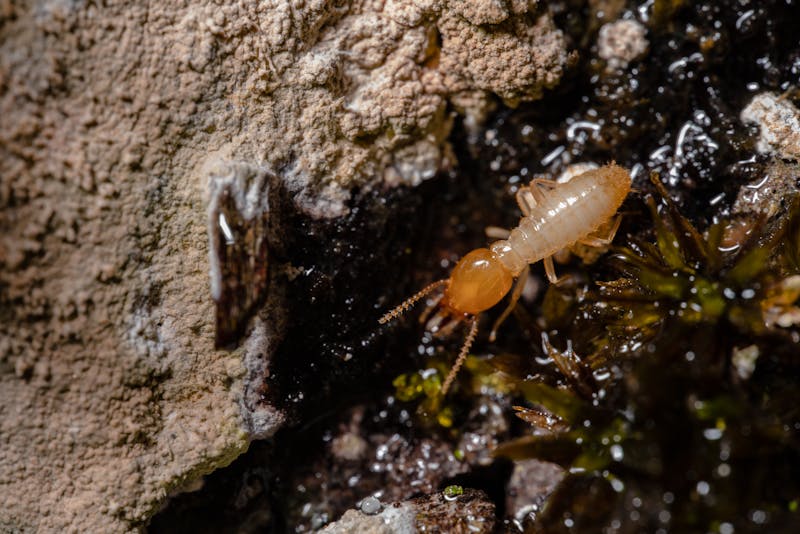
If you’ve confirmed a termite infestation — or a pest professional has — the next question is treatment. Unlike most household pests, termite treatment is almost never a DIY proposition. The products required aren’t available to consumers, and improperly applied treatments can allow infestations to continue spreading unseen for years.
This guide explains the three main termite treatment methods, when each is used, and what they typically cost.
Why Professional Termite Treatment Is Necessary
Termite control requires:
- Termiticides not available without a pesticide applicator license (Termidor, Premise, Altriset)
- Specialized application equipment for soil injection and deep trenching
- Structural knowledge to identify all harborage points
- Long-term monitoring to confirm treatment effectiveness
The one partial exception is bait systems — some homeowner-available bait products (like Spectracide Terminate) exist, but they’re significantly less effective than professional-grade bait stations.
Treatment Option 1: Liquid Soil Treatment (Termidor)
Liquid termiticide treatment is the most widely used professional method for subterranean termites. A technician injects a termiticide (most commonly Termidor SC — fipronil) into the soil around and under the foundation, creating a continuous treated zone that termites pass through as they travel between the soil and the wood.
How it works: Termidor uses a “transfer effect” — termites that contact the treated soil don’t die immediately. Instead, they carry the active ingredient back to the colony and transmit it to other workers through contact and grooming. This results in colony elimination, not just barrier protection.
Application process:
- Trench around the exterior foundation (typically 6 inches wide, 6 inches deep)
- Inject termiticide into the trench at specified intervals
- Backfill the trench
- Drill through interior concrete slabs if necessary to treat soil beneath
- Treat crawl spaces if present
Pros:
- Highly effective — Termidor provides 10+ years of documented protection in most soil types
- Kills the entire colony, not just individual foragers
- Works quickly (colony elimination in 3 months or less)
Cons:
- Soil disruption and drilling may be required
- Must be retreated if the treated zone is disturbed (landscaping, irrigation work)
- Requires a licensed professional
Typical cost:
- $400–$1,500 for a smaller home
- $1,000–$3,500 for an average home
- Cost scales with linear footage of foundation perimeter
Treatment Option 2: Termite Bait Systems (Sentricon, Advance)
Termite bait systems replace (or supplement) liquid soil treatment with a network of in-ground bait stations installed around the perimeter of the structure. Worker termites find the bait stations, consume the bait (typically noviflumuron or diflubenzuron — insect growth regulators), and carry it back to the colony, where it gradually eliminates the population.
How they work: Bait stations contain a wood-based monitoring device that is checked periodically. When termite activity is detected, the wood is replaced with an active bait matrix. Workers consume and share the bait, leading to colony elimination over several months.
Leading systems:
- Sentricon Always Active (Corteva Agriscience) — the most widely used commercial bait system, available only through certified Sentricon dealers
- Advance Termite Bait System — used by many independent pest control companies
Pros:
- No soil injection or trenching required
- Less environmental impact than liquid soil treatment
- Effective against inaccessible areas where liquid treatment can’t reach
- Ongoing monitoring detects new activity early
Cons:
- Slower — colony elimination typically takes 3–18 months
- Requires annual maintenance visits (which adds to long-term cost)
- May not be sufficient alone for heavy, active infestations
Typical cost:
- $1,200–$3,800 initial installation (based on station count)
- $300–$600 annual monitoring fee thereafter
Treatment Option 3: Fumigation (Structural Fumigation)
Whole-structure fumigation uses sulfuryl fluoride (Vikane) gas to penetrate the entire structure, killing all termites inside. This is the standard treatment for drywood termite infestations and is also used for severe subterranean infestations throughout a structure.
How it works:
- A tent of tarps is placed over the entire structure
- Sulfuryl fluoride gas is pumped inside to lethal concentrations
- The structure is sealed for 24–72 hours
- The tent is removed and the structure ventilated for a day before re-entry
- The gas leaves no residue — it dissipates completely
Pros:
- Complete penetration — reaches inside walls, attic, and all wood throughout the structure
- Single treatment (no ongoing maintenance)
- Highly effective for drywood termites where liquid soil treatment doesn’t apply
Cons:
- Requires vacating the home for 2–4 days
- All food, medications, and plants must be removed or double-bagged
- Does not provide ongoing protection — only kills termites present at time of treatment
- Most expensive option
Typical cost:
- $1,500–$4,000 for a small home
- $3,000–$8,000+ for an average to large home
- Priced by the cubic foot of structure
Comparing Termite Treatments
| Method | Best For | Speed | Protection Duration | Avg. Cost |
|---|---|---|---|---|
| Liquid (Termidor) | Subterranean termites | 1–3 months | 10+ years | $1,000–$3,500 |
| Bait System | Subterranean, accessible areas | 3–18 months | Annual maintenance | $1,500–$4,000+ |
| Fumigation | Drywood termites, severe infestations | 2–4 days | None (kills present only) | $2,000–$8,000 |
DIY Termite Treatment: Limited Options
No consumer-available product matches the effectiveness of professional termiticides. However, some limited DIY options exist:
Orange oil (XT-2000): Contains d-limonene, which kills drywood termites on contact. Injected into termite galleries through small holes drilled in the wood. Limited penetration — only effective where you can directly inject, not for hidden galleries. Available as a less invasive (and less expensive) alternative to fumigation in some regions, but typically applied by licensed operators.
Boric acid: Applied to exposed wood as a preventive or supplemental treatment. Kills termites that consume treated wood, but limited penetration.
DIY bait stations (Spectracide Terminate): Available at hardware stores. Some limited effectiveness, but significantly weaker than professional-grade bait systems.
What to Expect from a Professional Termite Inspection
Before treatment, a licensed inspector will:
- Inspect the interior and exterior for signs of termites and damage
- Identify the termite species
- Assess the extent and severity of the infestation
- Recommend a treatment approach
- Provide a written report documenting findings
Many termite control companies include an inspection before treatment. Request written proposals from 2-3 licensed companies and compare the treatment approach, warranty terms, and total cost.
Termite Treatment Warranties
Professional termite treatments typically include:
- Retreatment warranty: If termites return within the warranty period, the company retreats at no charge (typically 1 year for liquid, ongoing for bait systems with annual renewal)
- Repair coverage: Some companies offer limited damage repair warranties — review terms carefully
Ask specifically about warranty terms before signing any contract.
Compare Termite Treatment Proposals
Don’t wait. Termite damage compounds every season an infestation goes untreated.
Before hiring, verify the termite specialist’s license, confirm whether permits or treatment notices are required locally, and get the inspection findings, product plan, and warranty terms in writing.
Bottom Line
For subterranean termites in most of the U.S., liquid soil treatment with Termidor provides the most reliable, long-lasting protection at a reasonable cost. Bait systems are effective and lower-impact but slower. For drywood termites — particularly in coastal California, Florida, and the Gulf Coast — fumigation is often the definitive treatment. Whatever your situation, compare professional proposals and warranty terms carefully. The cost of treatment is always far less than the cost of the structural damage that continues unchecked.

Pest Control Insider Editorial Team
Independent trade-focused editorial team