How to Keep Squirrels Out of Your Attic
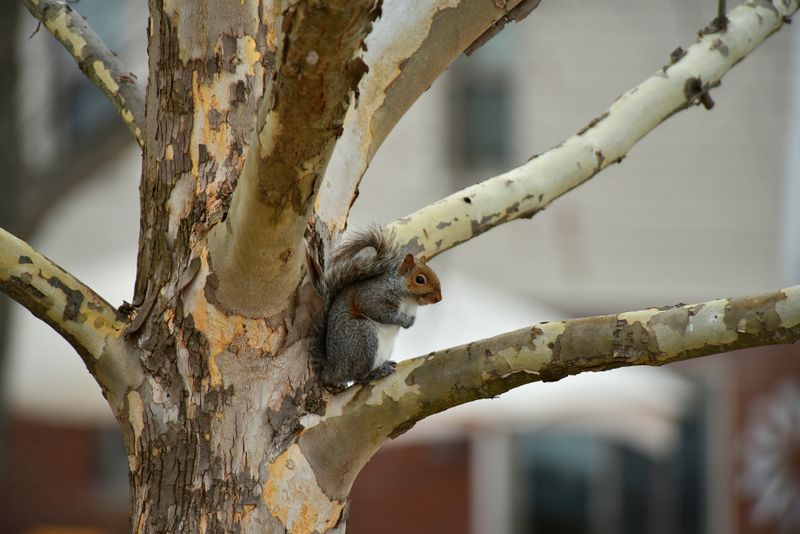
Squirrels in the attic are one of the most common wildlife complaints from homeowners. They gnaw wiring (creating fire hazards), damage insulation, and create entry points that allow water, other wildlife, and cold air into the home. And once they establish a nest in an attic, they return year after year.
The good news: squirrel exclusion is highly effective — but it requires careful attention to how you seal entry points to avoid trapping animals inside.
What Squirrels Are Doing in Your Attic
Squirrels don’t intend to damage your home. They’re looking for a safe, warm, dry location to nest and raise young. An attic is ideal from the squirrel’s perspective:
- Warm in winter, dry in rain
- Protected from predators
- Quiet and dark
- Often accessible through gaps in roof edges, fascia, and soffits
Two active periods to know:
- Late winter / early spring (January–March): Females seek nesting sites for spring litters
- Late summer (August–September): Another birthing cycle
These are the worst times to seal entry points without a one-way door — you risk trapping young that haven’t yet left the nest.
Identifying Squirrel Entry Points
Common entry locations:
Roof level:
- Gaps along roof-to-fascia joints (where the fascia board meets the roof deck)
- Damaged or missing soffit panels
- Gaps around roof vents (particularly where screens have failed)
- Open ridge vents or damaged ridge vent caps
- Gaps where different roof planes meet (valleys, dormers)
- Chimney gaps and deteriorated chimney caps
- Gaps where plumbing vent stacks exit the roof
Wall level:
- Gaps in siding where utilities enter
- Damaged or loose wood siding
- Gaps around cable and utility lines
How to inspect:
- Walk the perimeter with binoculars and inspect the roofline for gaps and damage
- Look for chew marks around edges — fresh chewing indicates active use
- Look for staining (body oils) around entry holes
- On a sunny day, inspect the attic interior for any light showing through (indicates gaps)
- Listen at dawn and dusk for scratching or scurrying sounds — squirrels are most active at these times
Step 1: Identify All Entry Points
Before any exclusion work, find every entry point. Sealing all but one creates a one-way problem — squirrels will chew new holes to get back in. This step requires a thorough inspection of:
- The entire roofline
- All gable vents
- All fascia and soffit transitions
- All roof penetrations (vents, chimneys, stacks)
Use a ladder and flashlight. Check from the attic interior and from the exterior.
Step 2: Install One-Way Exclusion Doors
The primary entry point (the one with the most squirrel activity, indicated by staining, chewing, and debris) should receive a one-way exclusion door, not a solid block.
A one-way exclusion door allows squirrels to exit but not re-enter. After 3–7 days (allowing all occupants to exit), you seal the hole completely.
Important: Don’t use a one-way door during birthing season (January–March or August–September) unless you’ve confirmed there are no young in the nest. Trapped juveniles will die in the attic, creating an odor problem, and the mother will attempt to chew her way back in desperately.
Available one-way exclusion products:
- Havahart Squirrel Exclusion Door — attaches over the entry hole
- Custom hardware cloth funnels — a DIY approach using hardware cloth shaped into a cone that allows exit but blocks re-entry
Step 3: Seal All Secondary Entry Points
While the one-way door is installed at the primary entry:
- Seal every other gap you’ve identified with appropriate materials
- Use hardware cloth (1/4 inch) secured with screws and washers for larger openings
- Use copper mesh stuffed into smaller gaps, sealed with foam sealant
- Use Xcluder Rodent Control Fill Fabric for irregular gaps
- Replace damaged soffit panels, fascia boards, and vent covers
Step 4: Remove the One-Way Door and Seal the Primary Entry
After 3–7 days with no incoming squirrel activity (listen in the attic and observe the one-way door for traffic):
- Remove the exclusion door
- Seal the opening permanently with hardware cloth and wood repair material or metal flashing
- Confirm no squirrels remain in the attic
Signs no squirrels remain:
- No scratching sounds in the attic at dawn/dusk
- No traffic at the one-way door
- Visual attic inspection shows no active nesting
If dusk observation, droppings, or a captured image indicates bats rather than squirrels, stop the squirrel plan. Our bat removal and exclusion cost guide explains contact screening, lawful timing, one-way exclusion, attic cleanup, repairs, and quote comparison.
Step 5: Protect Tree Access Points
Squirrels typically access roofs via tree branches that overhang or come close to the structure.
- Trim all branches within 8–10 feet of the roofline
- Where branches cannot be trimmed (neighbor’s tree), consider metal flashing at potential access points
Squirrel baffles on utility lines: Where squirrels use utility lines to reach the roof, commercial baffles prevent them from walking the wire. Contact your utility company about squirrel baffles on service lines.
Trapping: When Is It Appropriate?
Live trapping can reduce the local squirrel population, but it’s a supplemental tool, not a solution on its own. Without sealing entry points, trapped squirrels will be replaced by others.
Havahart Model 1030 live trap baited with peanut butter, sunflower seeds, or corn works well for squirrels. Check twice daily.
Legal considerations:
- In most states, squirrels are classified as game animals and regulations vary on trapping and relocation
- Many states prohibit relocation of wildlife across county lines
- Check your state wildlife agency’s regulations before trapping
Legal and Humane Considerations
Squirrels are protected under various state wildlife regulations. Lethal trapping (snap traps, poison) may be legal for nuisance squirrels in many states, but always check local regulations. Poison is strongly discouraged — squirrels may die in inaccessible areas, creating odor problems, and pose secondary poisoning risks to raptors.
When to Call a Professional
- You cannot safely access the roofline for inspection and exclusion
- Young are present in the nest and the situation requires careful timing
- The infestation is severe (multiple entry points, significant attic damage)
- Squirrels have been in the attic for an extended period and insulation damage requires assessment
A licensed wildlife removal operator can perform the full exclusion process, typically providing a warranty against re-entry.
Recommended Products
- Havahart Model 1030 Live Trap — for capture and relocation
- Xcluder Rodent Control Fill Fabric — professional-grade exclusion mesh
- Hardware Cloth (1/4 inch) — for vent covers and large gaps
- Copper Mesh — for smaller irregular gaps
Prevention Checklist
- Trim all tree branches 8–10 feet from the roofline
- Inspect and cap all roof vents with hardware cloth
- Check and replace damaged soffit panels and fascia annually
- Install a chimney cap if not already in place
- Walk the roofline each fall before squirrel nesting season
Bottom Line
Squirrel exclusion — finding all entry points, installing a one-way door, sealing everything else, then sealing the primary point after the animals have left — is the most effective and humane approach. Do not seal active entry points without a one-way door, and avoid exclusion during active nesting periods (January–March and August–September). With a thorough inspection and proper materials, a permanent fix is achievable for most homeowners. For roof access concerns or complex infestations, a licensed wildlife removal professional is well worth the cost.

Kevin Larrabee
Independent trade-focused editorial team