How to Pest-Proof Your House: Room-by-Room Sealing Guide
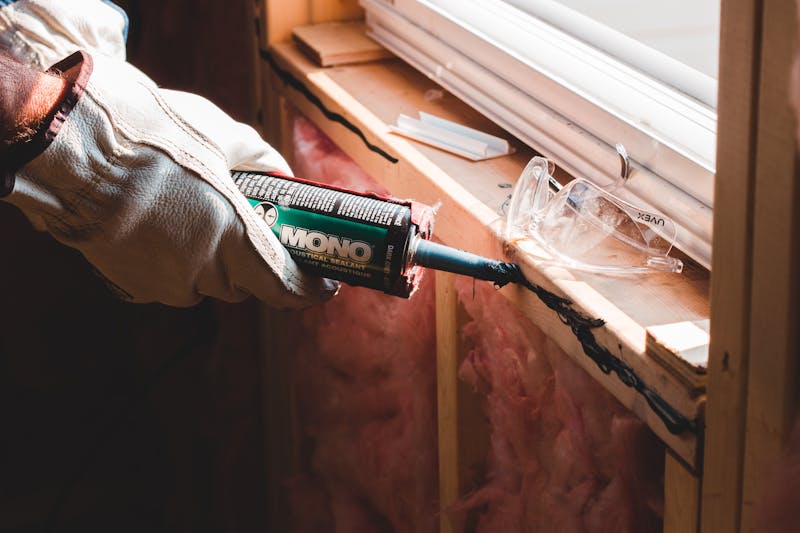
Pest-proofing your home is the highest-ROI pest control action available. A single afternoon of exclusion work can prevent infestations that would cost hundreds or thousands to treat. Mice squeeze through 1/4 inch gaps. Cockroaches fit through gaps as thin as 1/16 inch. Stink bugs and ants exploit the smallest cracks in caulk.
This room-by-room guide covers exactly what to check, what to seal, and what products to use for a genuinely pest-proof home.
What You’ll Need
Sealants:
- Silicone caulk (exterior-grade for outdoor; interior for inside)
- Expanding foam (for larger voids where rodents aren’t the concern)
- Xcluder Rodent Control Fill Fabric — stainless steel mesh for gaps around pipes (mice chew through foam)
Hardware:
- 1/4-inch hardware cloth and tin snips
- Copper mesh (pest supply stores)
- Door sweeps — preferably with a metal or aluminum base (not just rubber)
Tools:
- Caulk gun
- Flashlight
- Utility knife
- Screwdriver set
Exterior Inspection: Start Outside
Before going room by room, walk the entire exterior:
Foundation:
- Inspect for cracks — hairline cracks for insects, larger cracks for mice
- Look for gaps where the foundation meets the siding
- Look for gaps where pipes, wires, or conduit enter through the foundation
Siding and walls:
- Check for gaps at siding joints, particularly at corners
- Look for gaps where trim boards meet siding
- Check behind downspouts where water can cause siding damage
Roof and eaves:
- Soffit panels — any gaps or damaged sections
- Fascia boards — gaps where fascia meets the roof deck
- Gable vents — check that screens are intact
- Roof vents — check screens or covers
Doors and windows:
- Visible gaps around frames
- Door sweeps — do they contact the threshold fully?
Kitchen
The kitchen is the #1 room for pest problems — food, water, and warmth.
Under the sink:
- Gaps around plumbing pipes (both supply and drain) where they enter through the wall or floor
- This is the most common cockroach and mouse entry point in a kitchen
- Seal with copper mesh + foam, or Xcluder fabric + caulk
Behind and under appliances:
- Refrigerator: Check behind it (accessible by pulling it out) for gaps around the water/ice line
- Stove: Gap at the back where the gas line or electrical conduit enters
- Dishwasher: Gap around plumbing under the sink, and the gap at the edge of the dishwasher frame
Pantry:
- Gaps at floor-wall junction inside the pantry
- Any pipes or utility runs through the pantry walls
Countertop backsplash:
- The gap between the countertop and the wall (if not fully caulked) collects food debris and provides harborage
- Seal with color-matched silicone caulk
Bathrooms
Bathrooms provide both water (essential for most pests) and multiple plumbing penetrations.
Under every sink:
- Same as the kitchen — seal all pipe penetrations at the wall and floor
- This is a primary harborage site for cockroaches and a common mouse entry
Around the toilet:
- Check the floor penetration around the supply line at the wall
- Seal any gap at the toilet base where it meets the floor (also prevents moisture intrusion)
Shower and tub:
- Check caulk at the perimeter of the tub/shower surround
- Recaulk annually — failed caulk provides gaps for insects and allows moisture intrusion that attracts them
Exhaust vent:
- Check that the bathroom exhaust fan duct is fully connected and the exterior vent cap opens and closes properly
- A stuck-open exterior vent is a wasp and bird nesting entry point
Basement and Crawl Space
Foundation walls:
- Inspect every penetration (pipes, conduit, wires) and seal with copper mesh + foam or hydraulic cement
- Inspect the sill plate (the wooden beam at the top of the foundation) for gaps where it meets the foundation — common mouse entry
Basement windows:
- Inspect window frames for gaps and failing caulk
- Inspect window well drains (if present) — ensure they drain properly; standing water in window wells attracts pests
Crawl space:
- All vents should have intact screens (1/4-inch mesh)
- Access door should fit tightly with no gaps
- Vapor barrier should be intact — repair any tears
- Remove all wood debris from the crawl space floor
Garage
Garage door:
- The rubber seal at the base of the garage door degrades over time — mice slip underneath
- Replace with a heavy-duty steel-backed threshold seal (Tsunami Seal by M-D Building Products is a top option)
- The side seals and top seal should also contact the door frame fully
Side entry door:
- Door sweeps and weatherstripping same as any exterior door
- Any gaps around the door frame into the wall must be sealed
Utility penetrations:
- Electrical conduit, plumbing, and HVAC that pass through the garage into the house must be sealed at the penetration point
Garage interior:
- Seal any gaps where the garage walls meet the house interior (drywall gaps, gaps around the door to the house)
Bedrooms and Living Areas
These rooms are lower-risk for pest entry but require attention for bed bugs and overwintering pests.
Windows:
- Inspect screens for tears — repair or replace damaged screens
- Caulk any gaps in window frames (interior and exterior)
- Check window AC units — the gaps around them are common insect entry points (use foam insulation strips designed for window ACs)
Electrical outlets and switch plates:
- On exterior walls, gaps behind outlet and switch plate covers allow insects to enter from wall voids
- Install outlet foam gaskets (inexpensive, available at hardware stores) behind all plates on exterior walls — these provide a significant seal without any modification to the outlets
Baseboards:
- Gaps between baseboards and the floor are common cockroach and silverfish pathways
- Seal with paintable latex caulk in a color matching the baseboard
Attic access:
- The attic access hatch should be well-fitted and insulated — it’s also a pest entry point if it doesn’t close tightly
Attic
Gable vents:
- Ensure screens are intact (1/4-inch hardware cloth) and there are no gaps around the vent frame
Soffit vents:
- Walk the roofline visually from below — any sagging or damaged soffit panels create pest entry points
Around plumbing stacks and electrical:
- Gaps around pipes that penetrate from the attic through the ceiling below are mouse highways
Ridge vent:
- Should have an exclusion mesh intact
Hardscape and Landscaping
Mulch:
- Maintain 12–18 inches of mulch-free zone around the foundation
- Use inorganic mulch (gravel, rubber) in the immediate foundation zone
Trees and shrubs:
- Trim branches so they don’t touch the house — tree contact provides pest access to the roof and siding
- Trim shrubs so they don’t contact the foundation
Firewood:
- Store at least 20 feet from the house, elevated off the ground
Quick-Reference Seal Guide
| Location | Product | Target Pests |
|---|---|---|
| Pipe penetrations | Xcluder + foam | Mice, rats, roaches |
| Window/door frames | Silicone caulk | All insects, mice |
| Door sweeps | Metal-base door sweep | Mice, all insects |
| Crawl space vents | 1/4” hardware cloth | Rodents, snakes, insects |
| Outlet plates (ext. walls) | Foam gaskets | Overwintering insects, cockroaches |
| Baseboard gaps | Paintable latex caulk | Cockroaches, silverfish |
| Garage door base | Tsunami threshold seal | Mice, all insects |
| Attic vents | Hardware cloth | Squirrels, birds, insects |
When roof access, contaminated spaces, carpentry, or multiple active entry points make DIY work impractical, use our rodent exclusion cost and contractor checklist to compare inspection, materials, trapping, cleanup, follow-up, and warranty scope.
Bottom Line
Pest-proofing is a one-time investment that pays off every pest season. Work through this checklist systematically — exterior first, then room by room — and address every penetration you find. The most important seals are around plumbing penetrations under every sink, door sweeps on exterior doors, and the garage door threshold seal. Materials cost $50–$200 for a full exclusion project on an average home — far less than the cost of treating a mouse or cockroach infestation that could have been prevented.

Kevin Larrabee
Independent trade-focused editorial team