How to Use Diatomaceous Earth for Pest Control
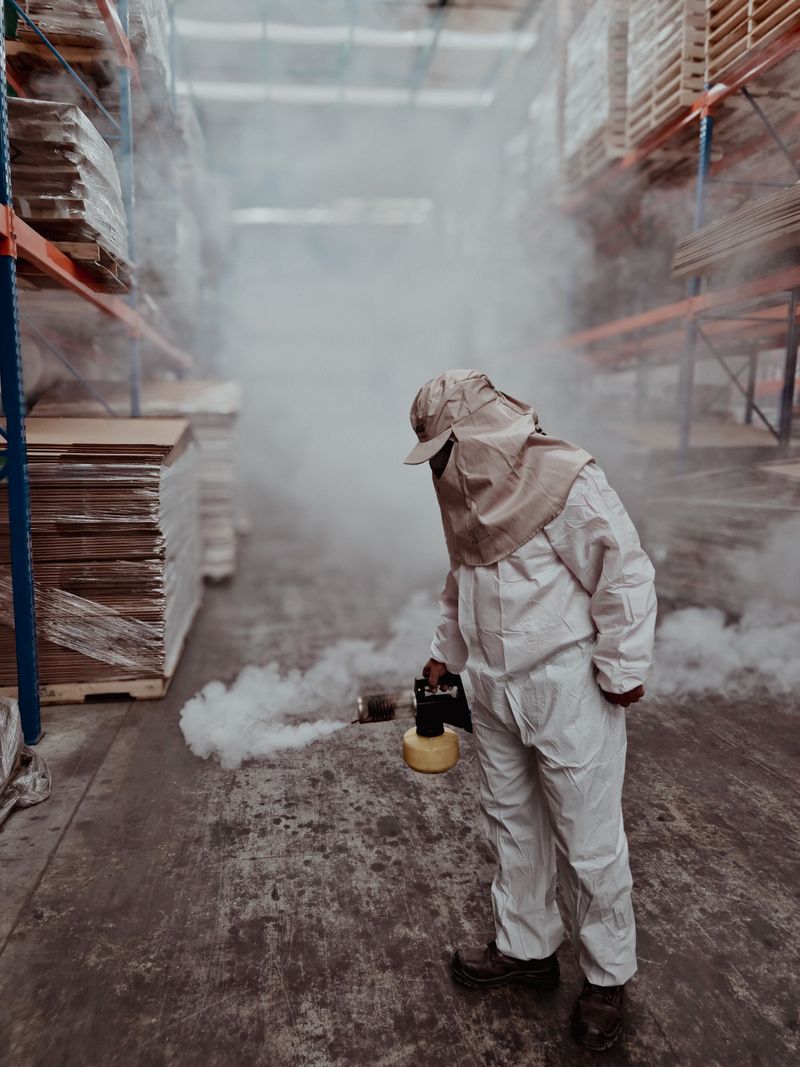
Diatomaceous earth (DE) is one of the most versatile and widely recommended non-toxic pest control tools available to homeowners. It works through a purely physical mechanism — no chemicals, no toxins — making it safe for use around children, pets, and food preparation areas.
But DE is also widely misused. Heavy application in the wrong locations produces zero results. Understanding how it works and where to apply it makes the difference between an effective treatment and wasted effort.
What Is Diatomaceous Earth?
Diatomaceous earth is a fine powder made from the fossilized remains of diatoms — microscopic single-celled algae with silica-based cell walls. When mined, dried, and milled into powder, these fossilized shells have microscopically sharp edges.
How it kills insects: When crawling insects walk through DE, the sharp particles damage the waxy cuticle (exoskeleton) of the insect. This causes dehydration — the insect’s protective layer is compromised, and it loses moisture and dies within hours to days.
What makes it non-toxic to mammals: The particle size and silica content are harmless to humans and animals in food-grade concentrations. It’s not absorbed through skin, doesn’t bioaccumulate, and breaks down naturally.
Important distinction: Always use food-grade diatomaceous earth for pest control in the home. Pool-grade DE (used in pool filtration) is chemically treated and unsafe for indoor pest control use.
What Pests Does DE Control?
Diatomaceous earth is effective against:
- Cockroaches (especially in wall voids and behind appliances)
- Silverfish (crawl spaces, attics, bathrooms)
- Bed bugs (in crevices, along baseboard edges, behind outlets)
- Fleas (under furniture, carpeted areas, attic spaces)
- Ants (in wall voids and along perimeter)
- Earwigs (perimeter and garden areas)
- Stored product beetles (in pantry areas, grain bins)
- Carpet beetles (under carpet edges, in closets)
DE is less effective against:
- Flying insects (no crawling contact)
- Termites (soil-dwelling subterranean termites avoid surface DE)
- Mosquitoes
- Rodents (no mechanism)
The Most Important Rule: Apply Thinly
This is the most common DE application mistake. A visible, heavy pile of DE is less effective than an almost invisible, thin dusting.
Why: Insects detect and walk around heavy accumulations of DE. A thin layer that coats individual particles on the surface is invisible to the insect and more likely to be walked through.
Target application: barely visible, like a light dusting of flour. If you can see a white layer clearly from standing height, you’ve applied too much.
How to Apply Diatomaceous Earth
Best Tools for DE Application
Bellows duster / powder duster: The most effective application tool. A hand bellows (squeeze-type duster) allows precise application of thin amounts in cracks, crevices, and voids. Many DE products include a basic applicator — but a dedicated bellows duster provides much more control.
Recommended dusters:
- Bellow Duster by Chapin — affordable, widely available
- Harris Diatomaceous Earth Professional Grade Powder Duster — designed specifically for DE application
For area application: A kitchen sieve or flour sifter can apply thin DE layers across large carpet or floor areas, though a duster is preferable for controlled application.
Indoor Applications
Behind refrigerators and stoves: Insects commonly harbor behind and under these appliances. Apply a thin layer in the space between the appliance and the wall, and in the motor area (particularly the compressor area on the bottom of refrigerators).
Inside cabinet and drawer interiors: Apply in cabinet hinges, along the back edges of shelves, and under drawers. Keep away from food contact surfaces.
Along baseboards: A thin line along the base of walls in kitchens, bathrooms, and bedrooms targets cockroaches, silverfish, and bed bugs following wall edges.
In wall voids: Remove electrical outlet and switch plate covers and use a duster to puff DE into the void space behind. This is a highly effective cockroach and silverfish treatment — insects inside walls walk through the DE and die without any chemical exposure in the living space.
Under and around furniture: For bed bug and flea control, apply along the underside frame of bed frames, inside nightstand joints, and along carpet edges.
Crawl spaces: Liberally apply in the crawl space along the perimeter — on floor joists, along sill plates, and around any potential pest harborage areas. Crawl spaces are dry enough for DE to remain effective long-term.
Attic spaces: Apply along the attic perimeter, particularly around eave areas where insects enter.
Outdoor Applications
DE can be used outdoors but requires more frequent reapplication since moisture reduces effectiveness rapidly.
Garden bed perimeter: Apply along the edges of garden beds to deter earwigs, slugs (though copper is more effective for slugs), and crawling beetles.
Foundation perimeter: A thin band along the foundation exterior can supplement other perimeter treatments.
Under and around decking: Apply in the space under deck boards where earwigs and spiders harbor.
Reapplication after rain or irrigation is required — DE loses effectiveness when wet.
DE for Specific Pest Situations
For Cockroaches
Apply in:
- Wall voids (via outlet plates)
- Inside cabinet hinges and the base of cabinet interiors
- Under the dishwasher motor area
- Behind the refrigerator
- Under the stove
Combine with gel bait — DE doesn’t conflict with bait since it works in separate areas. The combination of bait (killing by ingestion) and DE (killing by contact in voids) is highly effective.
For Bed Bugs
Apply in:
- Along mattress and box spring edges (inside encasement if fitting it from outside)
- Inside furniture joints and joints of the bed frame
- Behind electrical outlets in the bedroom
- Along carpet edges and under baseboards
CimeXa Insecticide Dust (amorphous silica gel) is technically distinct from DE but works by the same desiccant mechanism and is considered more effective specifically for bed bugs due to its smaller particle size.
For Silverfish
Apply in:
- Basement and crawl space perimeter
- Attic areas
- Behind and under bathroom vanity cabinets
- In and around bookshelves
For Fleas
Apply in:
- Under furniture and along baseboards
- Crawl spaces
- Attic areas where pets may rest
DE in carpet is possible but tricky — it must be worked into the fibers and left for several days, then thoroughly vacuumed. This process is labor-intensive and somewhat effective.
Safety Guidelines
Food-grade DE is very low risk, but take these precautions:
- Wear a dust mask or respirator during application — inhaling any fine dust repeatedly is irritating to the respiratory tract; DE is no exception
- Wear eye protection — fine DE particles can irritate eyes
- Keep pets away during application — allow dust to settle before pets return to treated areas
- Food-grade DE is safe for use in pantry areas — it won’t contaminate food at normal application levels, but don’t apply directly to food items
- Do NOT use pool-grade DE — it contains crystalline silica in concentrations that can cause lung damage
Recommended Products
- Harris Diatomaceous Earth Food Grade (with applicator tip and powder puff applicator) — best value for home use
- Safer Brand Diatomaceous Earth Ant & Crawling Insect Killer — OMRI-listed for organic use
- CimeXa Insecticide Dust — for bed bug applications specifically (similar mechanism, potentially more effective)
- Chapin 1PK Bellows Duster — for precise application in cracks and voids
How Long Does DE Take to Work?
DE is not a fast kill — expect:
- Light insect activity: 24–72 hours for initial kills
- Heavy activity: 1–2 weeks for meaningful population reduction
- Continued kills for months as insects walk through treated areas
DE remains effective indefinitely as long as it stays dry. A single application in a dry crawl space or wall void can remain effective for years.
When DE Isn’t Enough
For severe infestations — particularly cockroaches and bed bugs — DE is best used as a complement to other treatments (gel bait, residual sprays, professional treatment), not a standalone solution. It’s most effective in inaccessible areas like wall voids where sprays and baits don’t reach.
Bottom Line
Diatomaceous earth is a genuinely effective, non-toxic pest control tool when applied correctly — which means thinly, in areas where insects travel, and in dry conditions where it stays effective. It’s the ideal treatment for wall voids, crawl spaces, and other areas where chemical sprays are impractical. The most common application mistake is applying too much in visible areas — a barely visible, thin dusting is far more effective than a thick pile. Use a good duster, apply consistently, and combine with other appropriate treatments for the best results.

Pest Control Insider Editorial Team
Independent trade-focused editorial team