Natural Pest Control: 15 Methods That Actually Work
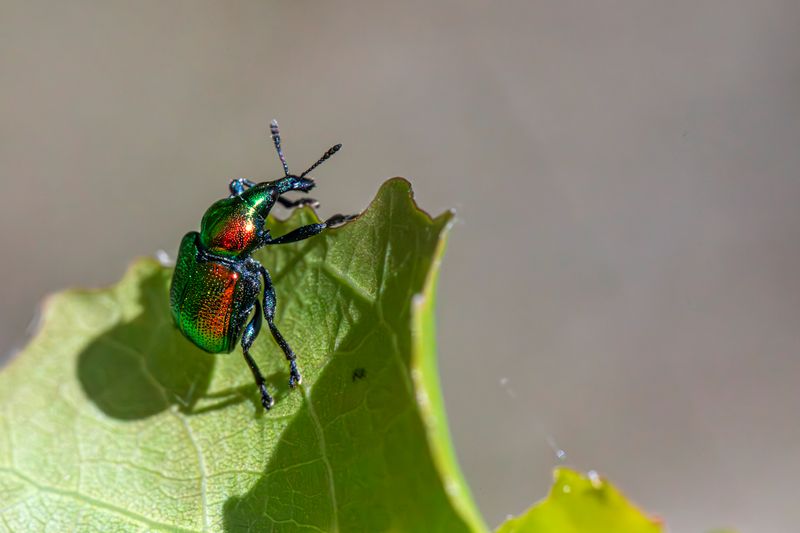
Natural pest control has moved well beyond folk remedies and wishful thinking. A number of non-synthetic methods have genuine scientific support and practical track records. Others — though widely promoted — have little to no evidence behind them and waste your time while the infestation grows.
This guide covers the 15 natural pest control methods with the strongest evidence base — organized from most broadly applicable to most situational.
Method 1: Physical Exclusion
Works on: All pest types Effectiveness: Very high (prevention)
No natural method beats the pest that never enters your home. Physical exclusion — sealing gaps, cracks, and entry points — is the highest-leverage action in any pest control program.
Tools:
- Silicone caulk for gaps around windows, door frames, plumbing, and electrical penetrations
- Copper mesh or Xcluder Rodent Fill Fabric for gaps around pipes (rodent-proof)
- 1/4 inch hardware cloth for vent covers and crawl space openings
- Door sweeps for gaps under exterior doors
Exclusion prevents reinfestation — it’s the essential companion to any treatment.
Method 2: Diatomaceous Earth (DE)
Works on: Crawling insects (roaches, silverfish, bed bugs, fleas, ants, earwigs) Effectiveness: High in dry environments; moderate in humid conditions
Food-grade diatomaceous earth is composed of fossilized diatoms — microscopic algae with sharp, silica-based shells. When insects crawl through DE, it damages their waxy exoskeleton and causes dehydration.
Application:
- Apply a thin, barely visible layer along baseboards, inside wall voids, under appliances, in crawl spaces
- DE must stay dry to be effective — reapply after any moisture exposure
- Use a duster for precision in cracks and voids
Safety: Food-grade DE is safe for humans and pets when handled normally. Avoid inhaling the dust — wear a mask during application.
Best products: Harris Diatomaceous Earth (with included applicator)
Method 3: Sticky Traps and Monitoring
Works on: Most crawling insects; flying insects with UV attractant traps Effectiveness: Moderate (control), high (monitoring)
Sticky traps are chemical-free and effective at both capturing insects and helping you identify where pest activity is heaviest.
- Glue boards: Place along walls for cockroaches, mice, spiders
- Yellow sticky traps: Effective for fungus gnats, whiteflies, aphids in the garden
- UV light traps: For flying insects indoors
Method 4: Beneficial Insects
Works on: Garden pests (aphids, caterpillars, whiteflies, mites) Effectiveness: High for garden pest management
Releasing or encouraging beneficial insects is one of the most powerful organic garden pest control strategies.
Key beneficial insects:
- Ladybugs: Each ladybug eats up to 50 aphids per day; also consume whiteflies and mites. Live ladybug kits are widely available online.
- Lacewings: Larvae consume aphids, thrips, and small caterpillars. Green lacewing eggs can be purchased and released in garden beds.
- Parasitic wasps (Trichogramma): Microscopic wasps that parasitize caterpillar eggs. Effective against tomato hornworms, cabbage loopers, and other Lepidopteran pests.
- Nematodes: Microscopic roundworms that kill soil-dwelling larvae (grubs, flea larvae, fungus gnat larvae). See Method 8.
To attract beneficial insects: Plant dill, fennel, yarrow, marigolds, and other flowering plants that provide nectar and pollen for adult beneficials.
Method 5: Neem Oil
Works on: Garden pests — aphids, mites, whiteflies, fungus gnats, some chewing insects Effectiveness: Moderate to high for soft-bodied insects and mites
Neem oil is derived from the seeds of the neem tree (Azadirachta indica). The active compound, azadirachtin, disrupts insect growth and reproduction — it’s an insect growth regulator with contact insecticidal properties.
Application:
- Mix 1–2 oz per gallon of water with a few drops of liquid soap (as an emulsifier)
- Spray on leaf surfaces (especially undersides where pests feed)
- Apply in the evening to avoid burning foliage in direct sun
- Reapply every 7–14 days
Best products: Bonide Neem Oil Ready-to-Use; Garden Safe Neem Oil Extract
Limitations: Not effective for hard-bodied insects (beetles); less effective as a contact killer than a growth disruptor
Method 6: Insecticidal Soap
Works on: Soft-bodied garden pests — aphids, mites, mealybugs, whiteflies, scale crawlers Effectiveness: High for direct contact; no residual
Insecticidal soap (potassium fatty acids) disrupts the cell membranes of soft-bodied insects on contact. It’s approved for organic use and is safe for most plants.
Application:
- Spray directly onto pests — contact is required for kill
- Cover leaf undersides thoroughly
- Avoid applying in full sun or when temperatures exceed 90°F (can burn plants)
Best products: Safer Brand Insect Killing Soap; Bonide Insecticidal Soap
Method 7: BTI (Bacillus thuringiensis israelensis)
Works on: Mosquito larvae, black fly larvae, fungus gnat larvae Effectiveness: High
BTI is a naturally occurring soil bacterium that’s lethal to mosquito larvae, black fly larvae, and fungus gnat larvae — but harmless to all other organisms. It’s one of the most effective and environmentally responsible pest control tools available.
For mosquitoes: Apply Mosquito Dunks (Summit Responsible Solutions) to standing water — ponds, rain barrels, birdbaths, and drainage areas.
For fungus gnats: Apply BTI granules (Mosquito Bits) to the surface of soil in infested houseplants; water in. Apply every 2 weeks.
OMRI-listed (approved for certified organic use).
Method 8: Beneficial Nematodes
Works on: Soil-dwelling larvae — flea larvae, grubs (Japanese beetle, June bug), fungus gnat larvae, root weevil larvae Effectiveness: High in the right conditions
Beneficial nematodes are microscopic roundworms (Steinernema species) that enter and kill soil-dwelling insect larvae. They’re non-toxic to all other organisms and approved for organic use.
Application:
- Mix with water and apply to moist soil
- Apply in the evening (nematodes die in UV light)
- Works best in moist, warm soil (55°F+)
- Must be refrigerated before use; check expiration date
Best products: Beneficial Nematode Mix by BioLogic; NaturesGoodGuys Live Beneficial Nematodes
Method 9: Boric Acid
Works on: Cockroaches, ants, silverfish Effectiveness: High in hidden applications; low on surfaces where it’s visible
Boric acid is a naturally occurring mineral that disrupts the digestive and nervous systems of insects. It’s low-mammalian-toxicity and has been used for pest control for over 100 years.
Apply: Thin layers in wall voids, inside outlets (via the outlet box behind the cover plate), under appliances, and in attic spaces.
Avoid: Applying where it gets wet (it loses effectiveness) or in areas directly accessible to children and pets.
Method 10: Cedar
Works on: Clothes moths, silverfish (reportedly) Effectiveness: Moderate as a deterrent; low as a treatment
Cedar oils and cedar wood are traditional deterrents for clothes moths and silverfish in closets and storage. The volatile oils in fresh cedar repel these pests.
Important: Cedar loses its repellent effectiveness as it dries out. Sand cedar blocks periodically to refresh the surface oils, or replace every 1–2 years.
Best products: Cedar Blocks for Closets; Cedar rings for clothes hangers
Method 11: Apple Cider Vinegar Traps
Works on: Fruit flies, drain flies Effectiveness: High for adult fly capture
A 1/2 inch of apple cider vinegar with a drop of dish soap in a glass (covered with pierced plastic wrap or left open) is among the most effective adult fruit fly traps available — commercial or otherwise.
The fermentation smell attracts flies, the soap breaks surface tension, and they drown. Replace every 2–3 days.
Method 12: Kaolin Clay
Works on: Garden pests — Japanese beetles, aphids, leafrollers, codling moth Effectiveness: High as a physical deterrent
Kaolin clay is applied as a particle film to plant surfaces. It creates a physical barrier that irritates and confuses insects, reducing feeding damage and egg-laying. It’s approved for organic use and washes off with water.
Best products: Surround WP Crop Protectant
Method 13: Copper Barriers
Works on: Slugs and snails Effectiveness: High
Copper creates a mild electrical reaction with slug and snail mucus, repelling them from crossing it. Copper tape or wire applied around garden bed edges and pot rims is effective.
Method 14: Pyrethrin (Natural Insecticide)
Works on: Most insects; broad-spectrum contact insecticide Effectiveness: High for contact kill; short residual
Pyrethrins are derived from chrysanthemum flowers and are approved for organic use. They’re broad-spectrum contact insecticides that break down rapidly in sunlight (unlike synthetic pyrethroids, which have much longer residual activity).
Best for: Quick knockdown of flying insects, aphids, and other visible pests where short residual is acceptable.
Products: Pyganic Crop Protection; Bonide Pyrethrin Garden Insect Spray
Method 15: Physical Traps (Integrated)
Combining physical removal with monitoring — hand-picking caterpillars, using water sprays to dislodge aphids, installing yellow sticky traps — provides meaningful control in garden settings without any chemical input.
Water spray: A strong water jet from a hose knocks aphids, spider mites, and whiteflies off foliage effectively — particularly in the early morning, giving plants time to dry before nightfall.
What Doesn’t Work (Common Misconceptions)
- Ultrasonic devices: No scientific evidence for pest repellency (see our article)
- Citronella candles: Negligible mosquito repellency outdoors
- Essential oils as pest control: Only peppermint and tea tree show any evidence, and effects are minor and temporary
- Companion planting alone: Provides minor pest suppression, not control
Bottom Line
The most effective natural pest control combines physical exclusion (preventing entry), mechanical capture (traps, sticky boards), and targeted biological or mineral treatments (DE, BTI, neem oil, beneficial insects). No single natural method replaces a comprehensive approach — but used strategically, these 15 methods provide meaningful pest control without synthetic pesticides. For serious infestations, natural methods are best used alongside targeted, appropriate-use chemical treatments rather than as a complete replacement.

Kevin Larrabee
Independent trade-focused editorial team