Pet-Safe Pest Control: What to Use and What to Avoid
Quick answer
Pet-safe pest control means reducing exposure risk while still treating the pest effectively: identify the pest, use nonchemical prevention first, follow labels exactly, keep pets away during application, and store products securely.
Common questions
- Are natural pest products automatically safe for pets?
- No. Some essential oils, dusts, baits, and concentrates can harm pets if misused. The label, pet species, dose, and exposure route matter.
- What should pet owners do before treatment?
- Remove food and bowls, cover aquariums as directed, keep pets out of treatment areas, ask about re-entry times, and tell the pest professional about all animals in the home.
Source note: Reviewed July 2026 against the article guidance and integrated pest management principles; product labels, local regulations, pest species, and site conditions control treatment choices.
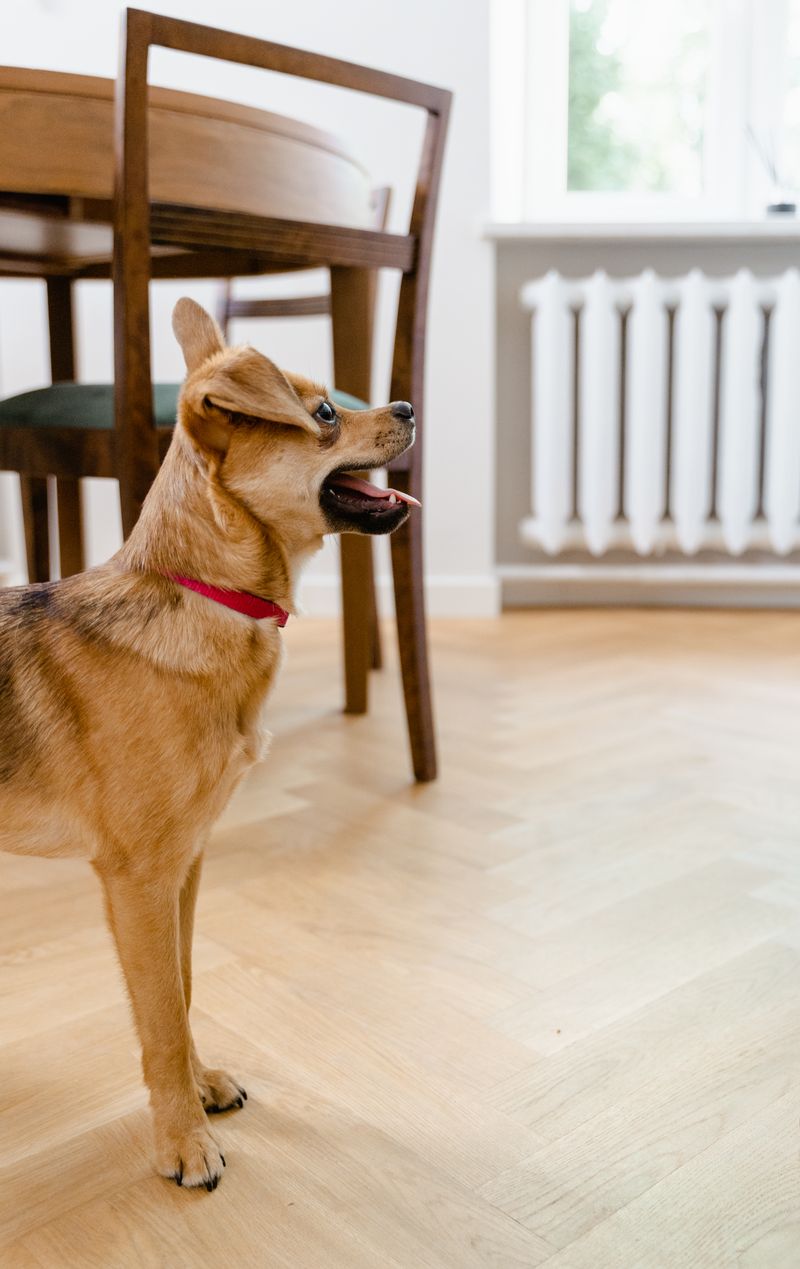
Pest control and pet safety are two things that frequently come into conflict. Many effective insecticides are harmful to dogs and cats — sometimes critically so. Understanding which chemicals to avoid and which safer alternatives work is essential for any pet household.
Chemicals That Are Dangerous to Pets
Permethrin — Toxic to Cats
This is the most important thing for cat owners to know about pest control.
Permethrin is a synthetic pyrethroid used in many pest control products, including some dog flea treatments, yard sprays, and indoor perimeter sprays. It’s effective and relatively safe for dogs — but it’s highly toxic to cats.
Cats cannot metabolize permethrin efficiently (they lack certain liver enzymes that dogs have). Exposure through skin contact, licking, or inhaling can cause:
- Muscle tremors and convulsions
- Hypersalivation
- Difficulty walking
- Seizures
- Death
Products to keep away from cats:
- Dog flea treatments containing permethrin (Advantix II, many generic spot-on products)
- Yard sprays and perimeter treatments with permethrin or cypermethrin (commonly used — keep cats inside during and after application until dry)
- Some insect repellents containing permethrin
What to do: If you use permethrin in the yard or on a dog, keep cats separated until the dog’s coat is fully dry and the yard treatment has dried completely.
Organophosphates and Carbamates
Organophosphate (malathion, chlorpyrifos, diazinon) and carbamate (carbaryl/Sevin) insecticides are hazardous to pets. These older-chemistry pesticides have largely been phased out of residential use but may still be found in older products. Avoid any product containing these active ingredients around pets.
Rodenticides (Rat Poison)
All rodenticides are potentially toxic to pets.
Anticoagulant rodenticides (brodifacoum, bromadiolone, diphacinone) are the most concerning:
- A dog or cat that eats a poisoned rodent can develop secondary poisoning (ingesting the toxin from the rodent’s body)
- Symptoms may not appear for days after exposure
- Treatment is possible if caught early (vitamin K therapy) but requires immediate veterinary care
Bromethalin (a neurotoxic rodenticide) has no antidote — it’s more dangerous for pets than anticoagulants.
If you must use rodenticide:
- Use only in tamper-resistant bait stations inaccessible to pets
- Prefer first-generation anticoagulants (diphacinone, chlorophacinone) — lower secondary poisoning risk
- Consider electronic traps or snap traps as a safer alternative
Slug and Snail Bait (Metaldehyde)
Metaldehyde slug bait is a common garden product and extremely toxic to dogs. The pellets have an attractive smell and are readily eaten by dogs. Symptoms include severe muscle tremors, hyperthermia, and can be fatal.
Safer alternative: Use iron phosphate-based slug bait (Sluggo, Escar-Go) — effective against slugs but safe for pets and wildlife.
Pest Control Methods That Are Pet-Safe
Diatomaceous Earth (Food-Grade)
Food-grade DE is one of the safest pest control options for pet households. It’s non-toxic to mammals, doesn’t bioaccumulate, and works mechanically.
Safe for: Dogs, cats, small mammals, birds
Apply in areas pets don’t directly contact (inside wall voids, behind appliances, in crawl spaces) for maximum effectiveness without any exposure risk.
Note: Keep pets away during application and until the dust settles — any fine dust irritates respiratory systems.
Boric Acid (Low-Risk in Hidden Areas)
Boric acid has very low mammalian toxicity at the concentrations used in pest control. Applied in wall voids, behind outlets, and under appliances, it’s virtually inaccessible to pets and provides effective cockroach and silverfish control.
Do not apply where pets can directly contact or ingest it — while toxic doses are high, prevention is best practice.
TERRO Liquid Ant Bait (Borax-Based)
TERRO bait stations use borax — very low toxicity to mammals at the concentrations in the bait. The stations are enclosed and difficult for most pets to access.
If a pet ingests a small amount of TERRO bait: Borax at these concentrations causes mild GI upset at most. Contact your vet if you’re concerned.
Keep bait stations away from curious dogs — some dogs will chew through the plastic casing.
Snap Traps for Rodents
Snap traps are pet-safe when placed in locations inaccessible to pets:
- Inside enclosed areas (in the back of a cabinet, inside a PVC pipe tunnel, inside a lockable bait station housing)
- Behind appliances where pets can’t reach
- In crawl spaces or attics
TOMCAT Low-Profile Mouse Trap and the Victor Mouse Trap with enclosed housing (designed for child and pet safety) reduce but don’t eliminate the risk of pets being snapped.
Electronic Mouse and Rat Traps
Electronic traps are enclosed and the shock mechanism requires being inside the chamber — much safer around pets than open snap traps.
Victor Electronic Mouse Trap and Victor Electronic Rat Trap are the top options.
Pet-Safe Spray Products
Wondercide Natural Pest Control Spray (sodium lauryl sulfate + essential oils including cedar oil, lemongrass, rosemary) is a commonly recommended pet-safe spray for interior and exterior use. Effective for light insect pressure; less effective than conventional insecticides for heavy infestations.
Vet’s Best Mosquito Repellent for Dogs (lemongrass oil + geraniol) provides some protection during outdoor activities.
EcoRaider Bed Bug Killer (cedar oil + geraniol) is a non-toxic bed bug spray that’s safe for use on mattresses and in bedrooms with pets.
After Professional Pest Control
If you hire a professional pest control service:
- Ask what products they’re using and the active ingredients
- Ask when it’s safe for pets to re-enter (most sprays are safe when dry — typically 1–2 hours)
- Wash pet bedding that was in treated areas
- Discuss any concerns about cats and pyrethroids with the technician
Many professional pest control companies now offer “low-impact” or “pet-friendly” treatment programs that use targeted, minimal-exposure products.
The “Pet-Safe” Label Warning
No pesticide is completely safe for all pets in all situations. “Pet-safe” on product marketing generally means lower toxicity or approved for use around pets — not zero risk. Always:
- Read the full label, not just the marketing claims
- Follow re-entry times
- Keep pets away during application and until products dry
- Store products securely
Quick Reference: Pet Safety by Product Type
| Product | Dogs | Cats | Notes |
|---|---|---|---|
| TERRO Borax Bait | Generally safe | Generally safe | Keep from chewing stations |
| Food-grade DE | Safe | Safe | Dust during application |
| Permethrin spray | Safe | TOXIC | Keep cats away from treated areas |
| Permethrin dog flea products | Safe | TOXIC | Never apply to cats |
| Metaldehyde slug bait | Toxic | Toxic | Use iron phosphate instead |
| Anticoagulant rodenticide | Risk | Risk | Secondary poisoning from rodents |
| Snap traps (open) | Risk | Risk | Use in inaccessible locations |
| Electronic traps | Safe | Safe | Must be inside chamber for shock |
| Wondercide spray | Generally safe | Generally safe | Check specific product |
Bottom Line
Pet-safe pest control isn’t about avoiding all pesticides — it’s about using the right products in the right locations with appropriate precautions. The highest priorities: never use permethrin products around cats, keep all rodenticide in tamper-resistant stations inaccessible to pets, and use iron phosphate (not metaldehyde) for slug and snail control. For most indoor pest situations, food-grade DE and enclosed bait stations provide effective, low-risk control for pet households. When in doubt, consult your veterinarian about specific products or exposures.

Kevin Larrabee
Independent trade-focused editorial team