Some links on this site are affiliate links. We may earn a commission at no cost to you. Learn more.
Signs of Termites: Early Detection Guide

Termites cause an estimated $5 billion in property damage annually in the United States — more than all natural disasters combined. The worst part: most termite damage isn’t covered by homeowners insurance, because insurers classify it as a preventable maintenance issue.
The good news is that catching termites early — before they’ve had years to excavate the wood inside your walls — significantly limits the damage and cost. Here’s what to look for.
The Two Most Common Termite Types
Understanding which type of termite you’re dealing with determines what signs you’ll find and how they’re treated.
Subterranean Termites
The most destructive and most common type in the U.S. They live underground in large colonies (100,000 to 1 million workers) and travel through mud tubes to reach wood food sources above ground. Found in every state except Alaska.
Species of note:
- Eastern subterranean termite — most common across the eastern U.S.
- Formosan subterranean termite — particularly aggressive, originally from Asia, now established across the Southeast and Hawaii. Colonies can exceed 1 million workers.
- Western subterranean termite — primary species in the West
Drywood Termites
Live inside the wood they eat — no soil contact required. Found primarily in coastal areas of the Southeast, Gulf Coast, and Southwest California. Colonies are much smaller than subterranean species (typically 2,500–10,000). Treatment is different: fumigation is often required rather than soil treatment.
8 Signs of a Termite Infestation
1. Mud Tubes
This is the most definitive sign of subterranean termites. Mud tubes (also called shelter tubes or tunnels) are narrow, pencil-width tunnels made from soil, wood particles, and saliva. They allow termites to travel from soil to wood while maintaining the moisture and darkness they require.
Where to look:
- Along the exterior foundation of your home
- On interior basement walls and crawl space walls
- Along floor joists in the crawl space
- On concrete piers supporting the structure
- Around plumbing pipes entering through the slab
The active tube test: Break a section of mud tube. If it’s repaired within a day or two, the colony is active. An unrepaired tube indicates abandoned activity (though doesn’t mean termites have left the building).
2. Swarmer Termites or Discarded Wings
Termite swarmers are winged reproductives that leave the colony in large numbers during spring (primarily) to mate and establish new colonies. Swarms typically last 30–60 minutes and occur on warm days after rain.
What you’ll see:
- Large numbers of winged insects emerging from the soil, walls, or wood near the foundation
- Or: piles of discarded wings near windowsills, doorways, and light sources (swarmers shed their wings immediately after mating)
Termite swarmers vs. flying ants:
| Feature | Termite Swarmer | Flying Ant |
|---|---|---|
| Body shape | Straight/no waist | Pinched waist |
| Wings | Both pairs equal length | Front wings longer |
| Antennae | Straight, beaded | Bent/elbowed |
| Color | Dark brown/black | Black, brown, or reddish |
3. Hollow-Sounding Wood
Termites eat wood from the inside out, leaving a thin outer shell intact. Tap along baseboards, window sills, door frames, and wood structural elements with a screwdriver handle. Wood that sounds hollow rather than solid may have been compromised.
Follow up with a probe: press a screwdriver tip into wood where you suspect damage. If the wood gives way or the tip punches through easily, termite damage is likely.
4. Frass (Drywood Termite Feces)
Drywood termites push their feces out of the wood through small “kick-out holes.” Frass looks like tiny pellets, roughly hexagonal in shape, about 1mm long. Often found in small piles resembling sawdust or coffee grounds.
Where to find frass:
- On windowsills
- On countertops beneath wooden cabinets
- In closets with wood shelving
- In attics
Note: subterranean termites incorporate their frass into their tunnels and don’t produce visible piles.
5. Paint Bubbling or Wallpaper Blistering
Termites within walls create moisture and heat as they eat. This can cause paint to blister or bubble, or wallpaper to bubble and separate from the wall surface — even without water damage.
If you find blistering or bubbling paint on interior walls or window frames without an obvious moisture source, termites are a possibility worth investigating.
6. Tight-Fitting Doors and Windows
As termites eat wood and produce moisture, wood can warp. Doors or windows that suddenly become stiff, hard to open, or won’t close properly — particularly along the top of the door frame — may indicate termite activity in the surrounding wood.
7. Visible Wood Damage
In advanced infestations, visible damage may appear:
- Honeycombed or layered interior damage in wood (following the soft grain)
- Wood that crumbles when pressed
- Exposed tunnels in damaged wood
8. Termite-Damaged Wood During Renovation
Many termite infestations are first discovered during renovation or repair work — when walls are opened or floors removed, revealing damage that wasn’t visible from the outside.
Where to Inspect for Termites
Exterior inspection:
- Foundation perimeter (mud tubes, termite damage at wood-soil contact)
- Garage door frames (wood-to-concrete transition)
- Wooden deck posts and ledger boards
- Tree stumps and wood debris near the foundation
- Mulch against the foundation
Interior inspection:
- Crawl space (inspect all exposed wood, concrete piers, and moisture)
- Basement foundation walls
- Basement and ground floor door frames and window frames
- Wood floor areas near exterior walls
Tools for Home Inspection
- Flashlight — bright, for dark crawl space inspection
- Screwdriver — for probing and tapping
- Moisture meter — high moisture in wood indicates potential termite activity (and conditions that attract them)
- Magnifying glass — for inspecting suspected frass and swarmers
When to Call a Professional
If you find any of the signs above, contact a licensed termite inspector. Termite control is one area where professional treatment is almost always the right call — not because you can’t identify the problem, but because:
- Effective treatment (liquid soil treatment, bait systems, or fumigation) requires professional equipment and licensed product access
- Inadequate treatment allows the infestation to continue causing damage
- Many pest control companies offer free termite inspections
A professional will:
- Confirm the species
- Assess the extent of existing damage
- Recommend appropriate treatment (liquid, bait system, or fumigation)
- Provide documentation for insurance or real estate disclosures
Get a Free Termite Inspection
Don’t wait — termites cause extensive, expensive damage before they’re noticed. Most reputable pest control companies offer free termite inspections.
Annual termite inspections are recommended in high-risk areas, including all of the Southeast, Gulf Coast, and Mid-Atlantic states.
Prevention Checklist
- Eliminate wood-to-soil contact around the foundation
- Remove wood debris, stumps, and mulch from within 12 inches of the foundation
- Fix plumbing and roof leaks promptly (moisture attracts termites)
- Ensure adequate ventilation in crawl spaces
- Store firewood off the ground and away from the house
- Seal cracks in the foundation
- Schedule annual termite inspections in high-risk regions
Bottom Line
Most termite infestations go undetected for 3–5 years before significant damage is apparent. Knowing what to look for — mud tubes, swarmers, hollow wood, frass, and subtle signs like tight doors and bubbling paint — gives you the best chance of catching an infestation early. If you find evidence of termites, contact a licensed pest control company for a professional assessment. The cost of annual inspections is a fraction of the cost of repairing structural termite damage.
Get our free Pest Prevention Checklist — delivered to your inbox.
No spam. Unsubscribe anytime.
Recommended Product
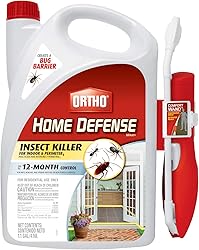
Ortho Home Defense Insect Killer
Creates a long-lasting bug barrier indoors and outdoors. Kills ants, roaches, spiders, and over 130 other insects on contact.
- ✓ Kills 130+ insects
- ✓ Indoor/outdoor use
- ✓ Comfort wand included
- ✓ Odor-free formula
As an Amazon Associate, we earn from qualifying purchases.
Get Your Free Pest Prevention Checklist
Join thousands of readers. Expert tips and guides delivered to your inbox — no spam, ever.
No spam. Unsubscribe anytime. View our Privacy Policy.
Need a Pest Control Pro? Get a Free Estimate
Connect with a certified local exterminator — no obligation.
Affiliate Disclosure
Some of the links on this page are affiliate links. If you click on one of these links and make a purchase, we may receive a small commission at no additional cost to you. This helps support our site and allows us to continue providing free content.
We only recommend products we believe in. All opinions are our own. We are a participant in the Amazon Services LLC Associates Program, an affiliate advertising program designed to provide a means for us to earn fees by linking to Amazon.com and affiliated sites.

Kevin Larrabee
Pest Control Specialist & Founder of Pest Control Insider