Bat removal and exclusion cost: Attic service guide
Quick answer
Bat removal and exclusion cost depends on the inspection area, active exits, one-way devices, legal work window, permanent repairs, guano cleanup, return visits, and written warranty. Compare the same documented outcome rather than unexplained totals.
Common questions
- Why do bat removal quotes vary so much?
- Quotes may cover different inspection zones, entry points, one-way devices, repair materials, cleanup areas, return visits, or warranties. Species, maternity or hibernation timing, weather, access equipment, and local wildlife rules can also change the work.
- Is poison a lawful bat-removal method?
- Rules vary by jurisdiction, and this guide does not claim a nationwide poison rule. Massachusetts requires nonlethal one-way doors for bat eviction, while the U.S. Fish and Wildlife Service tells property owners to check with their state wildlife agency. Ask the provider to identify the rule and removal method that apply at the property.
- Does a bat removal quote include guano cleanup?
- Not automatically. Exclusion, permanent repairs, droppings removal, insulation work, odor work, and disposal may be separate line items. Require the area, method, dust controls, completion standard, and exclusions in writing.
Source note: Desk-researched September 23, 2026 using dated CDC and CDC/NIOSH guidance plus current U.S. Fish and Wildlife Service and Massachusetts wildlife-agency resources. No property was inspected, no contractor quotes were collected, and no named professional review is claimed.
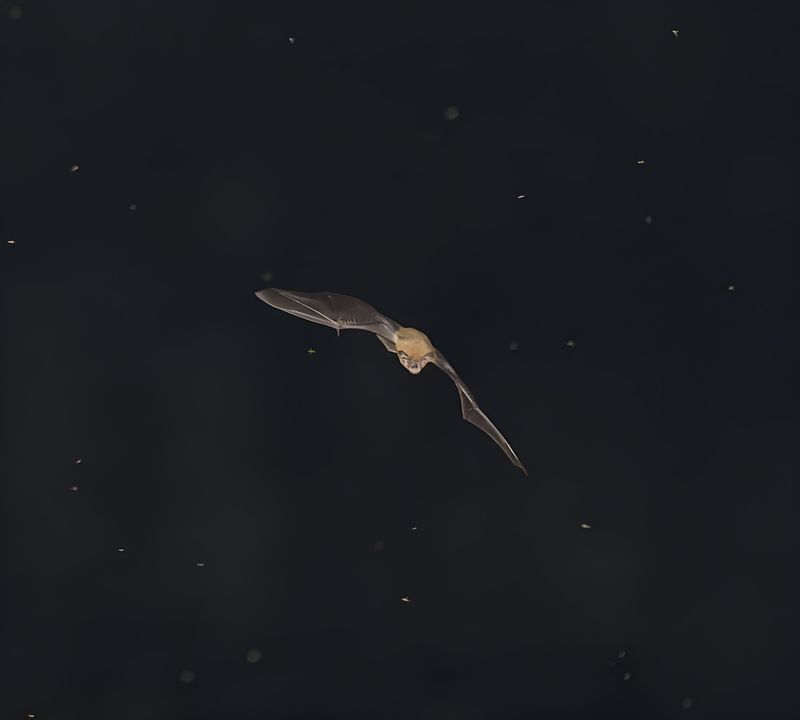
A bat-removal total is impossible to judge until the provider defines the outcome. One estimate may cover a single one-way device; another may include a roofline inspection, permanent repairs, cleanup, return visits, and a written warranty. Compare bat removal and exclusion cost by scope, not by the headline number.
Possible human or pet contact takes priority over price. If a bat may have bitten or scratched someone, or contact cannot be ruled out, keep people and pets away and contact the local health department or animal control before releasing the bat. The CDC says not to release a bat involved in possible human contact until a public-health expert has advised on capture, testing, and medical care. For possible pet or livestock exposure, CDC veterinary guidance says a public-health official familiar with rabies should assess the severity of the exposure and determine the next steps.
How This Bat Cost Guide Was Prepared
This is a scope-comparison method, not a national price survey. For the September 23, 2026 update, we checked federal public-health, worker-safety, and wildlife guidance plus a state wildlife-agency example. We did not inspect an attic, test an exclusion device, solicit contractor quotes, or calculate an average from a proprietary jobs database.
The method treats a quote as six separately verifiable parts:
Comparable project scope = inspection + occupant protection + exclusion + permanent closure + cleanup or repairs + follow-up.
A dollar total is comparable only after every required part is marked included, optional, excluded, or unknown. No licensed wildlife operator, veterinarian, physician, or industrial hygienist is named as a reviewer because there is no review record supporting that claim.
The Six Parts of a Complete Bat Quote
| Part | What the proposal should state | Proof to request |
|---|---|---|
| Inspection | Exterior, roofline, attic, chimney, vents, soffits, wall transitions, and access limits | Dated photos and a numbered opening inventory |
| Occupant protection | Possible-contact screening and temporary separation between the roost and living space | Written instructions and responsible contact |
| Exclusion | Active exit, device type and count, installation date, weather limits, and monitoring period | Device map and exit-confirmation method |
| Permanent closure | Material and repair assigned to every secondary and final opening | Opening-to-repair schedule |
| Cleanup and repairs | Guano area, insulation or odor work, dust controls, disposal, and work assigned to other trades | Measured area, method, exclusions, and completion check |
| Follow-up | Device removal, reinspection, callback terms, and warranty remedy | Dates, duration, covered openings, and written remedy |
An estimate that includes exclusion but omits final closure is not equivalent to one that includes both. “Attic cleanup” is also too vague: it could mean collecting a small localized deposit or removing insulation across a difficult-to-access space.
What Changes Bat Removal and Exclusion Cost?
- Access: Roof height and pitch, attic clearance, fragile surfaces, confined areas, lifts, staging, and fall protection change labor and equipment.
- Opening inventory: Several active and potential openings require more observation, devices, sealing, and verification than one accessible gap.
- Building complexity: Dormers, additions, chimneys, multiple roof planes, shared walls, and deteriorated materials complicate the repair map.
- Species and season: Maternity activity, nonflying young, hibernation, weather, and local restrictions can delay or change the sequence.
- Repair trade: Failed flashing, soffits, vents, masonry, or rotted wood may require a roofer, carpenter, or mason rather than sealant alone.
- Contamination: The amount and location of droppings, insulation impact, nearby occupants, dust control, and disposal requirements define a separate scope.
- Verification: Observation nights, device checks, final closure, reinspection, and warranty coverage add deliverables that a one-visit estimate may omit.
Timing Must Be Verified Locally
The CDC bat guidance, dated July 1, 2025, warns that bat-proofing from May through August can trap young bats that cannot fly. That is a national caution, not a universal legal window.
Rules can be more specific. For example, the Massachusetts Division of Fisheries and Wildlife says colony eviction there is limited to May or August 1 through mid-October and requires nonlethal one-way doors. The agency also gives weather and observation criteria before final closure. Those Massachusetts rules are an example, not instructions for another state.
The U.S. Fish and Wildlife Service advises against suddenly evicting hibernating bats and tells property owners to check with their state wildlife agency before excluding a colony. A usable quote should therefore identify:
- The suspected species or available evidence
- The state or local authority used to select the work window
- Any permit or wildlife-control credential that applies
- The weather standard for device monitoring
- The plan if young or hibernating bats are found
- Temporary separation from occupied rooms while work waits
Do not accept “bats are unprotected here” or a universal calendar date without a location-specific source.
Guano Cleanup Is Not the Same as Exclusion
Exclusion stops re-entry. It does not automatically remove droppings, stained insulation, odor, or damaged materials. The proposal should state the affected area, estimated amount, removal method, dust controls, insulation work, waste route, and visual completion check.
Do not sweep, shovel, or use an ordinary vacuum on dry accumulations. CDC/NIOSH Histoplasma exposure-control guidance, dated January 11, 2024, says planning should account for the amount and location of material, building condition, nearby people, dust control, and local disposal requirements. It describes wet methods and high-efficiency industrial vacuum equipment for appropriate settings; large or complicated accumulations can require specialist controls.
Droppings do not diagnose illness. Anyone concerned about symptoms or exposure should consult a healthcare professional.
Normalize Three Bat Quotes Without Inventing Numbers
Copy each proposal into the same worksheet. Do not estimate an unknown amount yourself.
| Comparison field | Provider A | Provider B | Provider C |
|---|---|---|---|
| Inspection fee and credited amount | |||
| Active exits and one-way devices | |||
| Secondary openings and materials | |||
| Final closures | |||
| Access equipment | |||
| Cleanup and insulation work | |||
| Other-trade repairs | |||
| Included return visits | |||
| Permit, travel, or disposal fees | |||
| Warranty term and remedy | |||
| Change-order triggers |
Then use two separate results:
- Comparable known total: Firm price plus required excluded work, scheduled follow-up charges, and mandatory fees.
- Unpriced exposure: Required fields still marked unknown plus every undefined change-order trigger.
Optional upgrades belong outside the comparable total unless every provider priced the same option. The lowest known total is not the lowest-risk quote when essential work remains unknown.
Bat Quote Decision Gates
| Finding | Decision |
|---|---|
| Possible human contact | Pause quote comparison and contact public health or animal control before releasing the bat |
| Possible pet contact | Pause quote comparison and ask the local health department to assess the exposure and direct next steps |
| No species evidence or local timing source | Ask the provider to verify both before scheduling colony exclusion |
| Active exit identified but secondary openings are unmapped | Do not approve final closure; request the full opening inventory |
| Exclusion included but repairs or cleanup are undefined | Price those as separate required scopes before comparing totals |
| Completion means only “device installed” | Require an exit-confirmation method, device removal, final closure, and reinspection |
| Warranty says “guaranteed” without a remedy | Request covered openings, owner duties, response time, exclusions, and repair obligation in writing |
This page differs from our rodent exclusion cost guide: rodent work focuses on population control and physical entry repair, while a bat project adds rabies-contact triage, species and season constraints, flight weather, one-way devices, and roost-empty verification. Do not substitute one scope for the other.
Dated Source Record
Sources were accessed September 23, 2026.
| Source | Page date shown | Used for |
|---|---|---|
| CDC: Preventing Rabies from Bats | July 1, 2025 | Contact triage, small openings, exit observation, and maternity caution |
| CDC: Information for Veterinarians | July 16, 2025 | Public-health risk assessment for animal rabies exposure |
| CDC/NIOSH: Histoplasma Elimination and Engineering Controls | January 11, 2024 | Contamination assessment, dust control, and disposal scope |
| U.S. Fish and Wildlife Service: Safe Bat Removal | No page date displayed | Hibernation, state-agency check, and living-space separation |
| Massachusetts: Bats in the Home | No page date displayed | A jurisdiction-specific exclusion-window and monitoring example |
Bottom Line
Bat removal and exclusion cost follows the documented project: exposure screening, inspection access, entry points, lawful timing, one-way exclusion, permanent closure, cleanup, repairs, follow-up, and warranty. Make each provider price the same required outcome, preserve unknowns instead of guessing, and verify timing with the wildlife authority where the property is located.
Image: Ian Gabaraev via Pexels.

Kevin Larrabee
Independent trade-focused editorial team