Best Bug Bombs and Insect Foggers for 2026
Quick answer
A bug bomb is only a reasonable option when its EPA-registered label lists your target pest and the insects are exposed in a treatable room. Foggers deposit pesticide on exposed surfaces but do not reach most cracks and voids, so targeted bait, traps, exclusion, or professional treatment is usually better for cockroaches, bed bugs, termites, and rodents.
Source note: Safety guidance was checked against the U.S. EPA and National Pesticide Information Center on August 7, 2026. Product labels control every use, coverage, re-entry, ventilation, and cleanup decision; never substitute a general guide for the label.
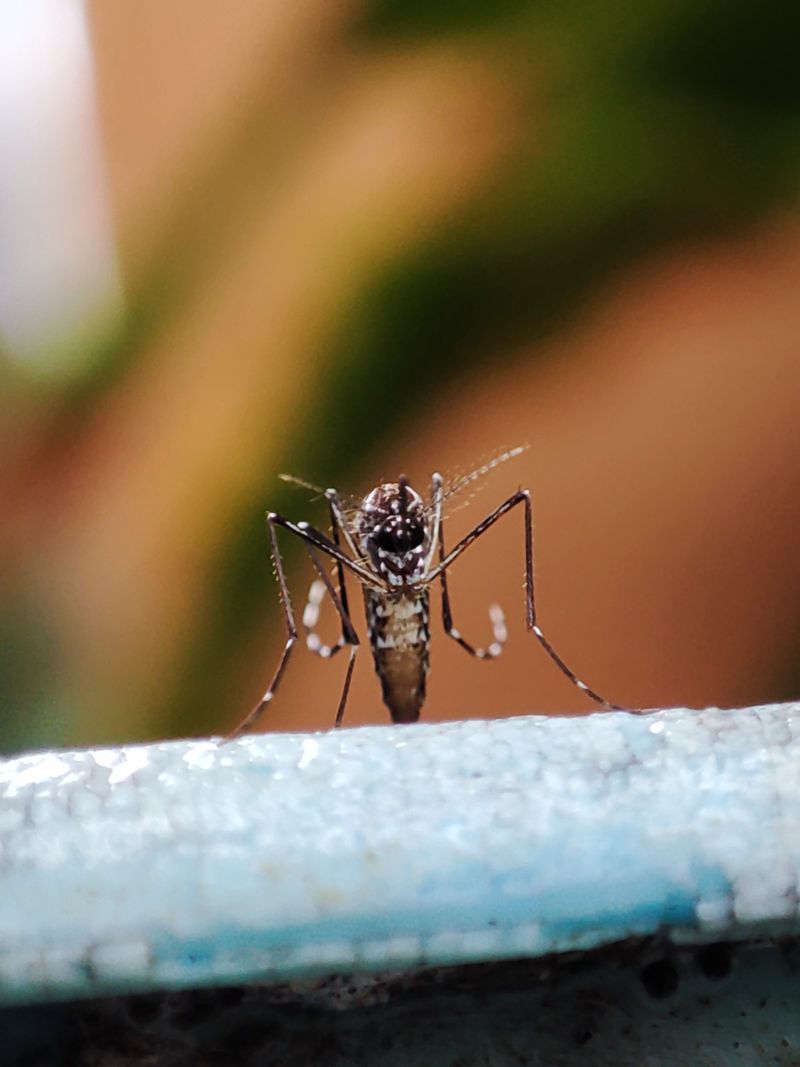
Insect foggers — commonly called bug bombs or total-release foggers — release their entire pesticide contents at once. The droplets settle on exposed surfaces, but they generally do not penetrate the cracks, wall voids, furniture joints, and other harborages where many household pests hide.
Choose a fogger only after identifying the pest, confirming it appears on the product label, and ruling out a more targeted option. This guide compares use cases and active ingredients while putting the EPA-mandated label and fire precautions first.
When Foggers Are Effective
Consider a fogger only when all of these conditions are true:
- The label lists the target pest and treatment site. A product labeled for fleas in living spaces is not automatically approved for pantry pests, garages, or outdoor structures.
- The insects are exposed. Foggers can contact insects in the open; hidden eggs, harborages, and colonies may survive.
- The room volume fits the label. Coverage is often stated in cubic feet, not simply “one can per room.”
- The fogger is one part of control. Vacuuming, sanitation, source removal, monitoring, and pest-specific treatment may still be necessary.
When Foggers Don’t Work (Or Work Poorly)
Bed bugs: Do not rely on a fogger as the only control. The EPA notes that aerosol droplets often fail to reach seams, cracks, bed frames, baseboards, and wall voids. If the label does not list bed bugs, using the product for bed bugs is not permitted.
Cockroaches: Foggers miss many cracks and voids where roaches harbor. Sanitation, monitoring, and correctly placed labeled baits usually address the colony more directly.
Termites: A room fogger does not treat a colony in wood or soil. Arrange a termite inspection and use a labeled termite treatment plan.
Rodents: Foggers don’t affect rodents.
Safety Requirements: Non-Negotiable
Fogger propellants can ignite, and pesticide exposure can occur when people use too much product or return too soon. Follow the product label without exception:
Before fogging:
- Remove all people from the home (adults, children, infants)
- Remove pets and follow the label’s directions for aquariums
- Turn off all ignition sources: pilot lights on stoves, water heaters, and furnaces; HVAC system; ceiling fans
- Unplug appliances with electric igniters (toaster ovens, coffee makers)
- Cover food preparation surfaces, food storage areas, and exposed dishes with plastic or remove
- Do NOT set off foggers in closets, cabinets, or other small enclosed spaces
- Measure the space and use no more than the label directs
- Leave immediately after activating
After the exposure time:
- Stay out for the full re-entry interval on the label
- Ventilate for the label-specified time before occupying the space
- Follow the label’s cleanup directions, including any directions for food-contact surfaces
- Keep children and pets away until re-entry and cleanup requirements are complete
Fires: A significant portion of fogger injuries are from fires caused by the aerosol reaching ignition sources. This is the most serious misuse risk.
The EPA’s total release fogger safety guidance is blunt: use only the number of foggers directed by the label, never use them in small enclosed spaces, and keep people and pets out until the label says re-entry is allowed. More foggers do not mean better control; they mean higher fire and exposure risk.
Pre-Fogging Checklist
- Confirm the target pest is listed on the product label
- Measure the room volume so you do not over-apply
- Turn off pilot lights, ignition sources, and cycling appliances
- Remove or cover food-prep items, dishes, pet bowls, and toys
- Open interior doors only if the label instructs you to treat connected spaces
- Tell everyone in the household when they can safely return
- Plan ventilation before activation so you are not improvising afterward
How to Choose the Best Fogger for a Labeled Use
There is no universal best bug bomb. The only candidates worth comparing are EPA-registered products whose current labels list both the target pest and the treatment site.
| Situation | What the label must confirm | What still needs separate control |
|---|---|---|
| Fleas in a living area | Indoor residential use, fleas, room-volume calculation, re-entry directions | Pet treatment, vacuuming, laundering, and follow-up monitoring |
| Exposed flying insects | Exact insect or pest group and the indoor site | Breeding-source removal and exclusion |
| Pantry or stored-product insects | The exact site and pest; directions for food, dishes, and food-contact surfaces | Discarding infested food, cleaning shelves, and sealed storage |
| Garage, shed, or other outbuilding | That specific structure type and pest | Entry-point repair, sanitation, and removal of harborage |
Compare active ingredients only after passing that label test. An insect growth regulator (IGR) may be relevant in a labeled flea product because it targets immature life stages, but it does not replace the other steps in a flea-control plan. “Odor neutralizer,” pack size, and marketing claims are secondary to the approved use and safety directions.
Before purchase, open the label through the manufacturer or the EPA’s Pesticide Product and Label System. Labels can change, and a retailer listing is not the controlling document.
What a Fogger Cannot Replace
| Pest | Better Alternative to Fogger |
|---|---|
| Bed bugs | Inspection plus a coordinated heat, steam, vacuum, encasement, or labeled pesticide plan |
| Cockroaches | Sanitation, monitoring traps, and correctly placed labeled bait |
| Ants | Species identification, sanitation, exclusion, and a labeled bait or treatment |
| Termites | Professional inspection and a labeled soil, wood, or bait-system treatment |
| Rodents | Exclusion, sanitation, and correctly placed traps |
For bed bugs specifically, the EPA notes that foggers should not be the only control method. Bed bugs hide in seams, cracks, bed frames, baseboards, and wall voids where aerosol droplets often do not reach. If a fogger label does not list bed bugs, do not use it for bed bugs at all.
After-Fogging Cleanup and Monitoring
When the re-entry interval has passed, complete the label’s ventilation and cleanup directions before occupying the room. Continue monitoring afterward; surviving pests, eggs, or hidden colonies can make an infestation look “back” when the fogger never reached the source.
How Many Foggers Do You Need?
There is no safe universal “one can per room” rule. Read the exact product label, measure the treatment area’s volume, and use no more than the stated amount. The label also determines placement, whether doors and cabinets stay open or closed, the re-entry interval, and ventilation steps.
Using extra cans can create dangerous vapor concentrations without improving control. If the label calculation is unclear or the infestation spans multiple connected rooms, ask the manufacturer or a licensed pest professional before activating the product.
Bottom Line
Bug bombs can knock down exposed insects when the target pest and site appear on the label, but they are not a whole-home cure. For cockroaches, bed bugs, termites, and rodents, choose a pest-specific control plan that reaches the source.
If fleas are the problem, start with the site’s complete guide to getting rid of fleas in your house. For hidden infestations, compare DIY and professional pest control before adding more pesticide. Whatever option you choose, identify the pest, read the label, remove ignition sources, vacate people and pets, and complete the required re-entry and ventilation steps.

Kevin Larrabee
Independent trade-focused editorial team