DIY vs. Professional Pest Control: What's Worth It?
Quick answer
DIY pest control can work for small, correctly identified, low-risk pests when prevention and labels are followed. Professional help is better for termites, bed bugs, large roach or rodent infestations, stinging insects, recurring problems, and safety-sensitive sites.
Common questions
- When is DIY pest control reasonable?
- DIY can be reasonable for minor ant trails, occasional spiders, small pantry pests, or prevention work when the pest is identified and the product label is followed exactly.
- When should you skip DIY pest control?
- Skip DIY for structural pests, repeated infestations, venomous or stinging pests, large rodent activity, pesticide-sensitive occupants, or problems affecting rentals, restaurants, or shared buildings.
Source note: Reviewed July 2026 against the article guidance and integrated pest management principles; product labels, local regulations, pest species, and site conditions control treatment choices.
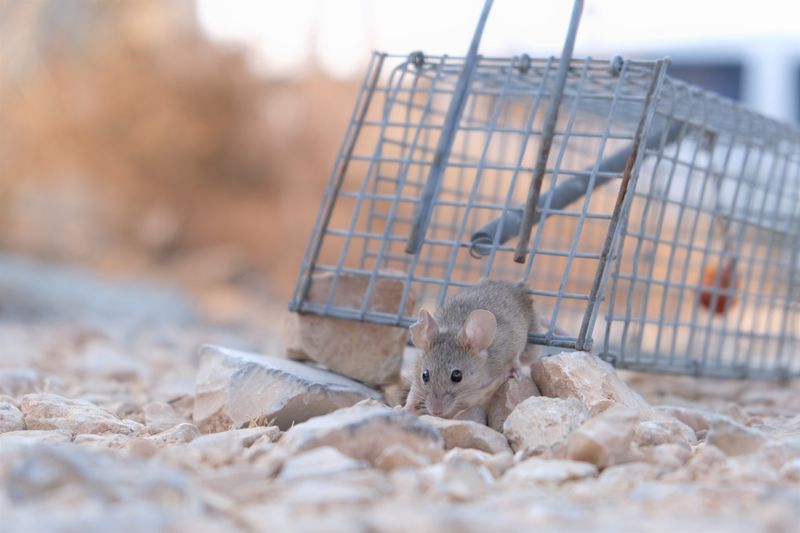
Every pest problem comes with the same first question: do I handle this myself, or call a professional? The answer isn’t the same for every situation. Some infestations are well within DIY reach; others are a waste of time and money to attempt without professional-grade products and expertise.
This guide breaks down the comparison by pest type, cost, and situation so you can make the right call.
Quick Answer: DIY for Simple, Pro for Risky or Hidden
DIY pest control is usually reasonable for early, visible, low-risk problems such as ants, fruit flies, pantry pests, small spider activity, and minor exterior invaders. Professional pest control is the better choice for termites, established bed bugs, rodents in walls, wildlife, unknown pests, recurring infestations, or anything involving meaningful health, sting, or structural risk.
When in doubt, use an inspection-first approach: identify the pest, confirm where it is nesting or entering, fix sanitation or exclusion issues, then choose the least risky effective treatment.
The Case for DIY Pest Control
DIY pest control has become significantly more viable in recent years. Online access to professional-grade products (previously available only to licensed applicators), detailed application guides, and video instruction have reduced the expertise gap between homeowners and professionals.
DIY works best when:
- The infestation is early and localized
- The pest type has reliable consumer product solutions
- You can safely perform the treatment
- Budget is a primary concern
- You have time for multiple treatment cycles
Common successful DIY situations:
- Ant trails from outdoor colonies
- Fruit flies, drain flies, pantry moths
- Silverfish and small spider populations
- Early-stage mouse infestations with accessible entry points
- Earwigs and other exterior-origin pests
- Small paper wasp nests
The Case for Professional Pest Control
Professional advantage factors:
- Product access: Pest control professionals have access to commercial-grade termiticides, rodenticides, and insecticides not available to consumers. Termidor SC, commercial-grade bed bug treatments, and professional IGRs are significantly more effective than consumer equivalents.
- Expertise: Pest professionals identify species accurately, locate harborage sites that homeowners miss, and apply products where they have maximum impact.
- Equipment: Injection equipment, commercial dusters, and high-volume sprayers reach areas that consumer products can’t.
- Warranty: Most professional services guarantee retreatment if the infestation persists.
- Time: A professional job done in one visit vs. weeks of DIY effort.
Professional treatment is most worth it for:
- Termites (nearly always)
- Bed bugs in established infestations
- Large rodent infestations with inaccessible entry points
- Serious cockroach infestations in multi-unit housing
- Large wasp and hornet nests in difficult locations
- Wildlife (raccoons, squirrels in attics)
Cost Comparison by Pest
Ants
DIY cost: $15–$50 (gel bait, perimeter spray) Professional cost: $150–$300 per visit; $300–$600 annually for a service contract DIY verdict: DIY works well for most household ant species, particularly with quality gel bait. Professional treatment is worth it for severe infestations or recurring problems despite DIY effort.
Cockroaches
DIY cost: $30–$80 (gel bait, IGR, sticky traps) Professional cost: $200–$400 initial treatment; $100–$200 per follow-up DIY verdict: DIY is viable for light infestations with proper gel bait technique. Heavy infestations in apartment buildings or commercial spaces typically require professional treatment and access to adjacent units.
Mice
DIY cost: $30–$100 (traps, exclusion materials) Professional cost: $200–$500 for initial treatment + exclusion inspection DIY verdict: DIY is very viable for small infestations with accessible entry points. Professionals add value for exclusion of complex structures, inaccessible entry points, and larger populations.
Bed Bugs
DIY cost: $100–$300 (sprays, dusts, encasements) Professional chemical treatment: $300–$600 per room Professional heat treatment: $1,000–$2,500 per room DIY verdict: DIY is possible for very early infestations, but success rates are significantly lower than professional treatment. Established infestations strongly warrant professional treatment. The cost of professional bed bug treatment is painful but often less than the ongoing cost of a failed DIY effort.
Termites
DIY cost: $50–$200 (limited consumer options) Professional liquid treatment: $1,000–$3,500 Professional bait system: $1,500–$4,000+ setup + annual monitoring DIY verdict: Professional treatment is almost always necessary. Consumer termite products are insufficient for established colonies. The cost of untreated termite damage far exceeds any professional treatment cost.
Fleas
DIY cost: $50–$150 (pet treatment + home IGR spray + traps) Professional cost: $150–$350 DIY verdict: DIY is highly viable for flea control when the pet is treated appropriately, an IGR is applied throughout the home, and vacuum treatment is consistent. Professional treatment adds value primarily in heavy infestations.
Mosquitoes
DIY cost: $50–$200 per season (BTI, yard spray concentrate, traps) Professional cost: $75–$150 per treatment; $400–$700 for a season treatment program DIY verdict: DIY is effective for most residential situations. Professional seasonal programs are worth it for large properties, heavily landscaped yards, or event-based treatment.
Wasps/Hornets
DIY cost: $10–$30 (jet spray, protective clothing) Professional cost: $100–$300 DIY verdict: DIY is very reasonable for small, accessible nests treated at night. Professional treatment is warranted for large nests, wall void locations, and anyone with venom allergies.
Safety Considerations
DIY pesticide use is safe when label directions are followed carefully. Key safety rules:
- Always read the product label before use — the label is the legal document governing use
- Wear appropriate PPE (gloves, eye protection, respirator for dusts)
- Keep children and pets out of treated areas until dry
- Store products locked away from children and pets
- Dispose of containers according to label directions
Professional treatments use higher-concentration products with more complex mixing requirements — one reason the expertise gap matters for certain pest types.
DIY or Pro Decision Matrix
| Question | DIY is reasonable when… | Hire a pro when… |
|---|---|---|
| Can you identify the pest? | You are confident from visible evidence | The signs could be termites, bed bugs, rodents, or wildlife |
| Is the source accessible? | Trails, nests, or entry points are visible | Activity is inside walls, slabs, attics, or crawl spaces |
| Is there a health or sting risk? | The pest is low-risk and isolated | Allergies, bites, droppings, or aggressive stinging insects are involved |
| Will one mistake make it worse? | Product misuse is unlikely to spread the pest | Repellent sprays could scatter ants, roaches, or bed bugs |
| Can you monitor results? | Sticky traps, bait take, or visual counts are easy | You need specialized inspection tools or exclusion work |
The EPA’s IPM framework is a good middle ground for both paths: identify the pest, remove food/water/shelter, choose targeted controls, and keep monitoring. A professional who follows that process is usually worth more than one who only offers routine spraying.
When DIY Fails: Signs You Need Professional Help
- Multiple treatment cycles with no improvement
- Infestation spreading despite treatment
- Pest is inside walls, ceilings, or other inaccessible areas
- You cannot identify the pest or entry point
- The situation involves a serious health risk (large bed bug infestation, significant rodent feces, biting insects in sleeping areas)
- The pest type typically requires professional products (termites, established bed bugs)
Getting the Most from Professional Pest Control
If you decide to hire a professional:
- Request 3 written estimates — pricing varies significantly between companies
- Ask about their treatment plan for your specific pest
- Understand the warranty terms — what triggers a free retreatment?
- Ask about IPM (Integrated Pest Management) approach — responsible companies focus on prevention, not just chemical application
- Check reviews and licensing — verify the company is licensed in your state
Before hiring, verify state licensing and insurance, compare written treatment scopes, and confirm warranty terms.
Bottom Line
The DIY vs. professional decision comes down to pest type, infestation severity, and product access. For most common household pests caught early, a well-informed DIY approach with quality products is cost-effective and successful. For termites, established bed bugs, complex rodent exclusion, and major wildlife issues, professional treatment delivers meaningfully better outcomes that justify the cost. When in doubt, a professional inspection (usually free) gives you a qualified assessment of the situation without committing to treatment.
Related Pest Decision Guides
- Pest Control Safe for Dogs and Cats helps evaluate treatment risk around pets.
- How to Pest-Proof Your House focuses on exclusion before repeated spraying.
- Signs of Termites covers the warning signs that should move you toward a pro.
- How to Get Rid of Bed Bugs explains why established infestations are difficult.
- Integrated Pest Management for Homeowners gives a prevention-first framework for either DIY or professional work.
Decide safely with pest ID and prevention context
Use these pages to connect DIY/pro decisions to pet safety, exclusion, termite signs, bed bugs, IPM, and a printable ID worksheet.
- Pest control safe for pets
Review pet-safety questions before using or hiring for any treatment.
- Pest-proof your house
Focus on sealing, sanitation, and entry points before repeat treatments.
- Signs of termites
Know when suspected termite evidence needs professional inspection.
- How to get rid of bed bugs
Review why bed bug control often requires careful preparation and follow-up.
- Integrated pest management
Use monitoring, prevention, and threshold decisions before applying products.
- Pest ID flowchart
Use the printable worksheet to organize signs before choosing DIY or professional help.

Pest Control Insider Editorial Team
Independent trade-focused editorial team