Carpenter Ants vs. Termites: How to Tell the Difference
Quick answer
Carpenter ants have pinched waists, elbowed antennae, and unequal wing pairs; termite swarmers have broad waists, straight antennae, and equal-length wings. Debris and damage are useful clues, but a specimen and qualified inspection provide a more reliable identification.
Common questions
- Do carpenter ants eat wood like termites?
- No. Carpenter ants remove wood to create nesting galleries, while termites consume cellulose. Both can be associated with damaged structural wood, so the cause still needs to be identified.
- Can frass identify carpenter ants or termites by itself?
- No. Coarse shavings may point toward carpenter ants and hard pellets may point toward drywood termites, but beetles, construction debris, and old damage can look similar.
Source note: Reviewed July 2026 against University of Minnesota Extension identification guidance; local species, building conditions, and visible access can affect identification.
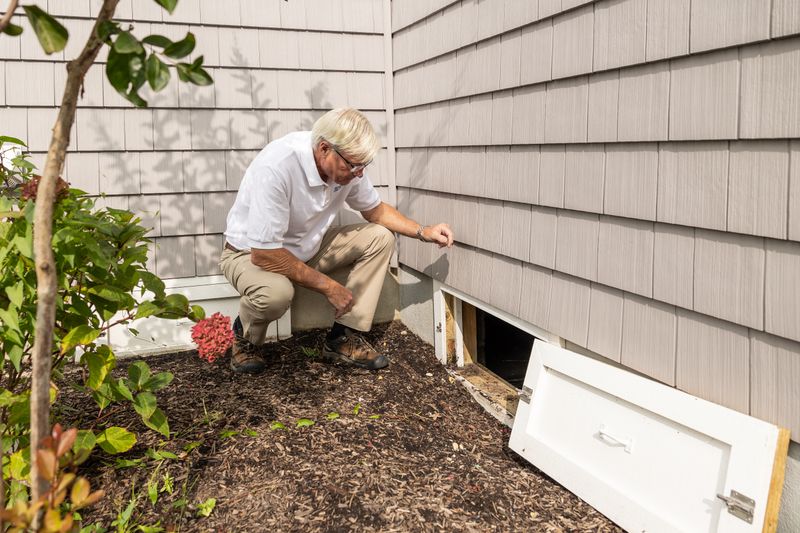
Finding winged insects, wood debris, or hollow trim can trigger an urgent question: Is this carpenter ants or termites? The distinction matters because the pests use wood differently and require different inspection and treatment plans.
You can narrow the possibilities with wings, antennae, body shape, debris, and gallery texture. However, no single photo, color, or pile of material proves the pest species. Preserve a specimen and have uncertain structural activity identified before choosing a treatment.
Carpenter Ants vs. Termites at a Glance
| Clue | Carpenter ants | Termites |
|---|---|---|
| Waist | Narrow and pinched | Broad, without a pronounced pinch |
| Antennae | Elbowed or bent | Straight or gently curved |
| Wings on swarmers | Front pair longer than rear pair | Two pairs about equal in length |
| Wood use | Excavate wood for nesting | Consume cellulose as food |
| Galleries | Smooth, clean-looking surfaces | May contain soil or mud; texture varies by termite group |
| Debris | Coarse shavings mixed with insect parts may be expelled | Drywood termites can expel hard pellets; subterranean termites usually use material in shelter tubes |
The University of Minnesota Extension comparison describes the most dependable visible differences: carpenter ants have a narrow waist, bent antennae, and shorter hind wings, while winged termites have a broad waist, straight antennae, and equal-length wings.
Compare the Insect Before the Damage
An intact insect is usually more useful than a picture of damaged wood. Place a dead specimen in a sealed container or zip-top bag without crushing the body.
Check the Waist and Antennae
A carpenter ant has the familiar ant silhouette: a distinctly pinched waist between the thorax and abdomen. Its antennae bend at an angle.
A termite has a more uniformly thick body without an obvious waist. Its antennae appear straighter and beadlike. These features are often easier to see with a hand lens or a close, well-lit photo.
Compare All Four Wings
Both pests can produce winged reproductives, often called swarmers. On a carpenter ant, the front wings are longer than the rear wings. On a termite swarmer, the four wings are approximately equal in length.
Discarded wings alone are less helpful because they may be broken or separated. Photograph a whole insect from directly above when possible.
Treat Color and Size as Supporting Clues
Carpenter ants are often dark, reddish, or a combination of red and black, while termite workers are commonly pale. That shortcut fails when comparing dark termite swarmers with dark winged ants.
Size also overlaps among species and life stages. Color and size can support an identification, but they should not override the waist, antennae, and wing pattern.
Frass and Sawdust: What the Debris Can Tell You
Carpenter ants do not eat wood. They remove it while excavating galleries, and the resulting material can look like coarse sawdust. It may include wood fragments, dead ants, or other insect parts. University of Minnesota Extension notes that coarse sawdust can indicate a nearby carpenter ant nest, especially when paired with repeated indoor ant activity.
Drywood termites may push small, hard fecal pellets from openings in infested wood. Subterranean termites generally do not leave a loose pellet pile; they use soil and other material to make shelter tubes.
Debris is not a diagnosis. Wood-boring beetles, old repairs, ordinary drilling, and construction dust can produce similar-looking piles. Instead of sweeping it away immediately:
- Photograph the pile and the surface above it.
- Look for a small opening, crack, or seam where it originated.
- Place a sample in a sealed bag.
- Mark the location and check whether new material appears.
If the evidence looks termite-related, compare it with the broader warning signs in our termite detection guide.
Carpenter Ant Galleries vs. Termite Damage
Carpenter ant galleries usually have smooth, clean walls because the ants remove loose material from their nesting space. They often exploit moisture-damaged or decayed wood around windows, roofs, plumbing, tubs, sinks, and dishwashers. An indoor nest can also extend into sound wood or insulation.
Termite damage depends on the termite group and building conditions. Subterranean termites may leave soil or mud within feeding areas and travel through earthen shelter tubes. Drywood termite activity can remain entirely within a piece of wood and may be accompanied by expelled pellets.
Do not pry apart sound structural members to compare galleries. A professional can probe accessible wood and document visible evidence without unnecessarily damaging finishes.
Why Photos Alone Are Not Enough
Online photo comparisons are useful for forming a hypothesis, not for confirming a treatment plan. Common failure points include:
- A dark termite swarmer being labeled a flying ant based on color
- Discarded wings being photographed without the insect
- Coarse carpenter ant debris being confused with fine beetle powder
- Old termite damage being treated as current activity
- Moisture-damaged wood being assumed to contain insects
The location and timing matter too. University of Minnesota Extension notes that large numbers of winged carpenter ants indoors are stronger evidence of an indoor nest than one or two winged queens. Observations from one evening should be recorded rather than overinterpreted.
For a structured review of multiple clues, use our pest identification flowchart before deciding what professional specialty to call.
What to Inspect Without Causing Damage
Use a flashlight and inspect only areas you can access safely:
- Window and door trim with staining or softened wood
- Plumbing penetrations and cabinet voids near leaks
- Crawl-space sill plates and exposed joists
- Roof edges, soffits, and attic framing near past leaks
- Deck ledgers, posts, stumps, and wood-to-soil contact
- Foundation walls for shelter tubes
Record where insects, wings, or debris appeared and whether the location is damp. Fix active leaks, but avoid sealing an opening or removing damaged wood until the evidence is documented. Our termite prevention guide explains how moisture correction and wood-to-soil separation reduce favorable conditions.
The Right Inspection Next Step
Seek qualified identification when you find repeated indoor swarmers, shelter tubes, recurring debris, soft structural wood, or activity in more than one location. Choose an inspector who is appropriately licensed for wood-destroying organisms in your state and ask what areas will be accessible.
Before ordering a transaction-related inspection, understand the difference between a visual report, a treatment proposal, and a warranty. Our termite inspection cost guide provides a scope checklist without relying on a misleading national price.
Do not start with a general indoor spray. Carpenter ant control depends on locating the nest, while termite treatment depends on the termite group, structure, and site. Any pesticide must be labeled for the pest and application site and used according to the current label, state rules, licensing requirements, and occupant or pet restrictions.
Bottom Line
The strongest visible comparison is the insect itself: pinched waist, elbowed antennae, and unequal wings suggest a carpenter ant; a broad waist, straighter antennae, and equal wings suggest a termite swarmer. Galleries and debris add context but are not conclusive alone.
Preserve evidence, note moisture and activity locations, and route uncertain cases to a qualified inspector. Correct identification is the step that prevents an ineffective treatment from covering up a larger problem.
Image: Kathleen Austin Kuhn via Pexels.

Kevin Larrabee
Independent trade-focused editorial team