Mice exterminator cost: Compare quotes by scope
Quick answer
A mice exterminator cost is meaningful only when the quote defines inspection, population control, entry-point exclusion, cleanup, return visits, completion criteria, and warranty coverage. Compare the same required outcome and keep unpriced unknowns visible.
Common questions
- How much does a mice exterminator cost?
- There is no property-specific answer without an inspection and defined scope. Ask local providers to price the same inspection, population-control, exclusion, cleanup, follow-up, and warranty fields, then compare the known total and remaining unpriced exposure.
- Does mouse extermination include sealing entry points?
- Not automatically. Limited sealing, whole-building exclusion, and building repairs may be separate. Require a photographed opening inventory that identifies the material, responsible trade, and warranty for each repair.
- How many visits should a mouse-control quote include?
- There is no universal visit count. The proposal should state the initial service, device-check schedule, service period, completion evidence, and price for visits outside the package.
Source note: Desk-researched September 23, 2026 using dated CDC cleanup guidance and current EPA rodent-control, rodenticide-safety, and hiring resources. We did not collect contractor quotes or use a proprietary jobs database, and no named pest professional reviewed this revision.
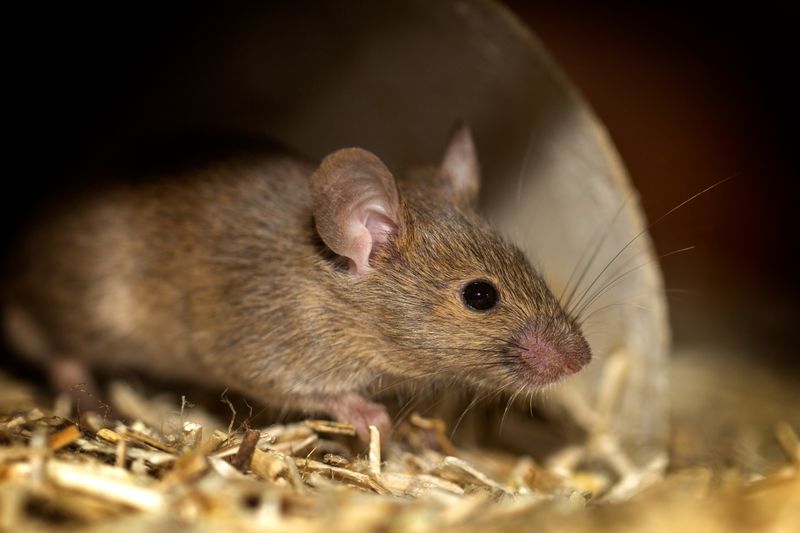
The lowest mice exterminator cost can become the most expensive option when it covers device placement but leaves entry points, follow-ups, cleanup, and repairs undefined. A useful quote prices a documented outcome, not the word “extermination.”
This guide does not publish a national average. We did not collect local contractor quotes or analyze a proprietary completed-job database, so presenting a precise range as if it estimated your property would be misleading. The defensible method is to give every provider the same scope sheet and compare the same required work.
How This Cost Comparison Was Prepared
For the September 23, 2026 update, we checked current U.S. Environmental Protection Agency resources on rodent-control options, rodenticide safety, and hiring, plus CDC cleanup guidance. Those sources establish safety and procurement boundaries; they do not set local service prices.
We separate a mouse-control project into six components:
Comparable project scope = inspection + population control + exclusion + cleanup + verification + warranty.
Each line must be marked included, optional, excluded, or unknown. No named licensed applicator or rodent-control professional is credited because there is no documented professional review for this revision.
Six Components That Define Mice Exterminator Cost
| Component | What the quote should state | Completion evidence |
|---|---|---|
| Inspection | Rooms, attic, crawl space, garage, exterior, roofline, and inaccessible areas | Activity map, access limits, and species evidence |
| Population control | Trap, monitoring, or bait-station zones; device ownership; checking schedule; carcass handling | Dated device log and trend in captures or activity |
| Exclusion | Every opening, repair material, sequence, and work assigned to another trade | Photographed opening-to-repair schedule |
| Cleanup | Rooms or measured area, droppings or nest removal, sanitation method, disposal, and exclusions | Defined area and visual completion check |
| Verification | Included visits, service period, reset or relocation work, and finish criteria | Final inspection and written closeout |
| Warranty | Term, covered services and openings, owner duties, exclusions, response time, and remedy | Written re-service or re-repair obligation |
“One treatment,” “full service,” and “guaranteed” are not scopes. Ask the provider to replace those phrases with locations, quantities or service periods, completion criteria, and written remedies.
What Changes a Real Mouse-Control Quote?
- Distribution of activity: Evidence in several rooms, floors, or building zones requires more inspection and monitoring than one accessible area.
- Property design: Shared walls, additions, stone foundations, attached garages, crawl spaces, complex rooflines, and inaccessible voids add labor or uncertainty.
- Control plan: One device-setting visit is not equivalent to a monitored program with scheduled checks, capture removal, relocation, and closeout evidence.
- Opening count and access: A ground-level pipe gap differs from a failed door, soffit, vent, or roof intersection requiring another trade.
- Contamination: Localized droppings differ from widespread nests, odor, damaged food, or contaminated insulation.
- Repairs: Chewed wiring, duct damage, rot, door replacement, and insulation work are often outside ordinary pest-control service.
- Local requirements: Labor, travel, building rules, pesticide licensing, and emergency scheduling vary by location.
Population Control and Exclusion Are Different Deliverables
Population control addresses mice currently active in the structure. Exclusion closes routes that allow new mice to enter. A quote can include either, both, or neither in a complete form.
The EPA’s rodent-control options, last updated October 6, 2025, distinguishes traps and secured poison-bait options and notes that released rodents can return unless entry points are sealed. Use that principle to check the sequence: the provider should explain how active mice will be controlled while openings are closed without stranding animals in inaccessible spaces.
This page differs from the rodent exclusion cost guide. That guide evaluates building-envelope repair; this one evaluates the entire purchased mouse-control service, including identification, active population reduction, device checks, capture handling, cleanup, and closeout. The step-by-step mice guide addresses DIY control rather than contractor procurement.
Mouse-Control Quote Normalization Worksheet
Send the same property summary to each provider: sighting dates, rooms, photos or a preserved specimen, pet and child access, known openings, inaccessible spaces, previous treatments, and cleanup concerns.
Then copy each written proposal into this table.
| Scope field | Provider A | Provider B | Provider C |
|---|---|---|---|
| Inspection fee and credited amount | |||
| Zones inspected and access limits | |||
| Evidence supporting mouse identification | |||
| Device types, placement zones, and ownership | |||
| Included checks or service period | |||
| Capture and carcass handling | |||
| Entry points listed and photographed | |||
| Sealing materials and repairs | |||
| Cleanup area and method | |||
| Work assigned to another trade | |||
| Completion criteria and closeout | |||
| Warranty term, remedy, and exclusions | |||
| Mandatory fees and change-order triggers |
Calculate two results instead of hiding uncertainty in one total:
Comparable known total = firm quoted price + required excluded work + scheduled follow-up charges + mandatory fees.
Unpriced exposure = required fields marked unknown + undefined change-order triggers.
Do not insert guessed amounts. Ask the provider to price or define every required unknown. Keep optional upgrades outside the comparison unless all providers price the same option.
Three Gates Before You Approve a Quote
Gate 1: Is the Pest and Extent Supported?
Ask what evidence confirms mice rather than rats, bats, or another animal and which areas were inaccessible. Droppings, gnawing, nesting material, tracks, rub marks, food damage, and captures can support the assessment, but a single unclear photo should not carry the whole decision.
Gate 2: Does the Plan Control Activity and Recurrence?
Require the device-check schedule, entry-point list, repair sequence, and evidence used to declare the active problem controlled. If exclusion is a separate proposal, combine it with the control price before comparing against a bundled competitor.
Gate 3: Are Safety and Accountability Defined?
Ask for the applicable company or applicator credential, insurance information, product labels where pesticides are proposed, pet and child precautions, cleanup limits, and the written warranty remedy. The EPA hiring page, last updated January 29, 2026, specifically advises asking to see the company’s license and contacting the state pesticide regulator with concerns.
Safety Boundaries for Cleanup and Bait
Do not sweep or vacuum dry urine, droppings, or nesting material. CDC rodent-cleanup guidance, dated April 8, 2024, calls for wet disinfection and separate precautions for heavy infestations. The quote should distinguish a small accessible cleanup from a heavily contaminated building, air-handling system, or insulation-removal project.
If rodenticide is proposed, ask for the product name, EPA registration number, target pest, allowed use site, station and placement plan, checking schedule, and carcass-disposal responsibility. EPA rodent-bait guidance, last updated October 6, 2025, emphasizes label compliance, access protection for children and pets, and prompt carcass disposal to reduce risks to pets and wildlife.
A professional-use product is not automatically interchangeable with a consumer product. The label for the exact product and site controls.
Decision Table
| Finding | Buying decision |
|---|---|
| Species or activity zones are uncertain | Buy an inspection or identification step before a broad treatment package |
| Quote covers traps or bait but no openings | Add a priced exclusion scope before comparing long-term value |
| “Cleanup” has no area or method | Treat it as unknown, not included |
| Return visits are “as needed” with no limit | Request a service period, schedule, and out-of-package price |
| Completion means only “no new complaint” | Require documented device results and a final inspection |
| Warranty lacks a stated remedy | Request re-service, re-trapping, or re-sealing duties in writing |
| Heavy contamination or damaged building systems are found | Pause ordinary cleanup and obtain the appropriate specialist scope |
Dated Source Record
Sources were accessed September 23, 2026.
| Source | Page date shown | Used for |
|---|---|---|
| EPA: Tips for Hiring a Rodent Control Professional | January 29, 2026 | License-verification and regulator contact |
| EPA: Options for Dealing With Rodent Infestations | October 6, 2025 | Control categories and the need to seal entry points |
| EPA: Safely Use Rodent Bait Products | October 6, 2025 | Label, access, station, and carcass-safety boundaries |
| CDC: How to Clean Up After Rodents | April 8, 2024 | Wet cleanup and heavy-infestation precautions |
Bottom Line
A mice exterminator cost is useful only when it buys the same outcome: documented inspection, suitable population control, entry-point exclusion, defined cleanup, enough follow-up to verify progress, and an enforceable warranty.
Complete the worksheet, calculate the known total, and keep unpriced exposure visible. The strongest quote is the clearest complete scope—not automatically the lowest initial number.
Image: David Hablützel via Pexels.

Kevin Larrabee
Independent trade-focused editorial team