Mice in walls: Sounds, signs, and what to do
Quick answer
Light scratching, scurrying, gnawing, or occasional squeaks at night can be consistent with mice in a wall, but sound alone cannot identify the animal. Compare timing and location with droppings, gnawing, tracks, odors, entry gaps, or a verified capture before choosing a control method.
Common questions
- What do mice in walls sound like?
- Possible mouse sounds include light scratching, quick scurrying, intermittent gnawing, and occasional squeaks, often noticed at night. Rats, squirrels, bats, birds, insects, pipes, and ductwork can produce similar noises, so sound alone is not proof.
- Can mice be in the walls but not in the living space?
- Yes. A mouse can travel or nest in a wall void without being seen in a room, but it still entered the building and may reach food areas through hidden gaps. Check accessible adjacent areas for corroborating signs rather than opening the wall.
- Should I seal a hole while I still hear an animal in the wall?
- Do not seal a suspected active route until the animal and entry pattern are identified and a removal plan is in place. Premature sealing can trap an animal or dependent young inside or push it into another part of the building.
Source note: Reviewed August 26, 2026 against current CDC rodent-cleanup guidance, EPA rodent identification and bait-safety resources, and university extension wildlife-identification guidance. Building design and wall cavities can change where a sound seems to originate.
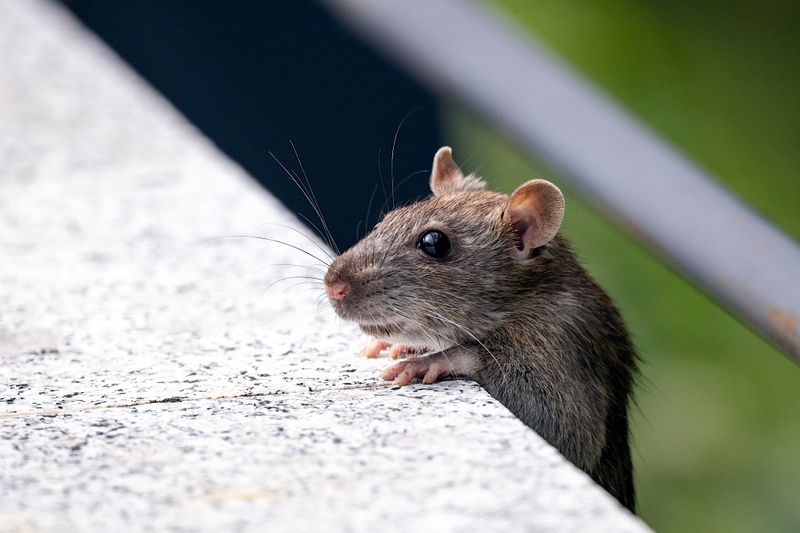
Light scurrying, scratching, gnawing, or occasional squeaks at night can be consistent with mice in walls—but sound alone cannot identify a mouse. Rats, squirrels, bats, birds, insects, plumbing, and ductwork can create overlapping noises.
Wall cavities also distort sound. Stud bays, pipes, and ducts can transmit noise away from its source. Use the sound to guide an inspection, then require another sign before deciding what is inside.
Start With This Mice-in-Walls Diagnostic Flow
- Describe the sound. Is it light scratching, rapid scurrying, steady gnawing, vocal squeaking, wing-like fluttering, or a regular tick or knock?
- Record the timing. Note the start time, duration, and whether it follows darkness, sunrise, plumbing use, heating cycles, or windy weather.
- Map the location. Mark where it seems loudest, then listen from the room above, below, and on the other side if those areas are safely accessible.
- Look for independent evidence. Check accessible edges, cabinets, utility penetrations, attic or basement access points, and the building exterior without cutting into the wall.
- Choose the handoff. Confirmed mouse signs support a mouse-control plan. Roofline wildlife, electrical danger, heavy contamination, or an inaccessible void calls for the appropriate licensed professional.
Do not jump from “noise at night” to poison or demolition. Increase identification confidence without driving an animal deeper into the structure or disturbing contaminated material.
What Do Mice in Walls Sound Like?
Light Scratching or Fast Scurrying
Quiet, irregular scratching and short bursts of movement are compatible with house mice, especially after dark. The University of Arizona’s house-mouse signs guide describes quiet scampering and scratching in wall voids or above ceilings, with inconsistent sounds more common at night.
That pattern is a clue, not a diagnosis. A rat farther away, a squirrel above the wall, or sound traveling through a duct can seem smaller or closer than it is.
Repeated Gnawing or Scraping
Rasping can indicate chewing, but mice, rats, and squirrels all gnaw. Look in accessible areas for fresh chips, tooth marks, damaged food packages, or a chewed opening.
Treat sound near wiring seriously. If you notice a burning odor, smoke, sparks, a hot or discolored outlet, or repeated breaker trips, leave the area and contact emergency services or a licensed electrician as appropriate. Do not open an energized wall or probe the cavity with metal.
Occasional Squeaks or Chittering
A squeak does not establish species, number, age, or nest location. Combine it with physical evidence.
Fluttering, Rolling, Heavy Thumps, or Regular Ticking
Fluttering near an attic, chimney, or exterior vent can point toward a bird or bat rather than a mouse. Louder daytime running or rolling in an attic is more compatible with a tree squirrel, although timing still is not proof. Review the squirrel attic guide before attempting exclusion around a roofline.
A sound tied to water use, an HVAC cycle, or temperature changes may be mechanical. With no pest evidence, call the relevant trade rather than applying a pesticide.
Compare Timing and Location
| Pattern | More consistent with | What would strengthen the case |
|---|---|---|
| Light, irregular activity after dark in a kitchen or interior wall | Mouse or rat | Droppings, small gnawing, tracks, rub marks, food damage, or a verified capture |
| Heavier movement at night near a lower wall, crawl space, or foundation | Rat or another larger animal | Larger droppings, burrows, wider rub marks, larger gnawing, or a larger entry route |
| Running or rolling in an attic during daylight | Tree squirrel or bird | Roofline gap, nesting material, exterior sighting, or daylight entry and exit |
| Nighttime attic activity | Mouse, rat, bat, flying squirrel, or other wildlife | Droppings, camera evidence, flight or entry observations, tracks, or a professional inspection |
| Repeated tick, pop, knock, or buzz tied to equipment use | Plumbing, HVAC, or electrical source | The same sound beginning with a fixture, fan, thermostat, appliance, or circuit |
Mice are mainly nocturnal, but timing is not proof. The University of Georgia Extension notes that attic noise at night has several possible wildlife sources, while daytime attic noise more strongly suggests a gray squirrel.
Location matters in the same way. Activity beside a pantry raises the value of mouse evidence, while activity high at an eave raises the value of wildlife evidence. In an apartment, duplex, or condominium, the source may be a shared wall, utility chase, neighboring unit, or common area.
Evidence That Makes Mouse Activity More Likely
The EPA’s rodent-infestation checklist includes droppings, shredded nesting material, chewed food packaging, holes through walls or floors, and stale odors. Also look for tracks, fine gnaw marks, greasy rub marks along a repeated route, or a mouse caught in a correctly placed device.
Use evidence carefully:
- Photograph signs in place with a ruler for scale.
- Record the room, exact location, date, and time.
- Check accessible spaces on both sides of the suspected void.
- Keep children and pets away from droppings, traps, damaged wiring, and openings.
- Compare size, shape, location, and other clues with the mouse-versus-rat droppings guide.
Do not sweep or vacuum dry droppings, urine, or nesting material. Current CDC rodent-cleanup guidance says to wear rubber or plastic gloves, soak contaminated material with a disinfectant, wait for the product’s contact time, wipe it up with paper towels, and wash hands. Heavy infestations require additional precautions.
What to Do Now—and What Not to Do
| Do now | Do not do |
|---|---|
| Log the sound’s time, duration, room, wall, and possible equipment trigger. | Do not claim a species from sound alone. |
| Inspect safely accessible adjacent rooms, cabinets, utility gaps, basement or attic edges, and the exterior. | Do not cut drywall, drill into the cavity, or insert a camera where wiring, pipes, asbestos, or other hazards may be present. |
| Photograph evidence in place and compare several signs. | Do not touch, dry sweep, or vacuum droppings or nests. |
| Use correctly sized traps or monitors only in accessible, serviceable locations protected from children and pets. | Do not drop traps or loose bait into a wall where they cannot be checked or retrieved. |
| Plan population control and exclusion in the right sequence. | Do not seal a suspected active route and trap an animal or dependent young inside. |
| Follow the pesticide label and use only products approved for the target pest and site. | Do not use indiscriminate poison, an improvised bait, or an off-label pesticide application. |
If the evidence supports mice and devices can be placed safely, compare placement and device tradeoffs in the mouse traps guide, then follow the broader mouse removal plan. Trapping without exclusion leaves the entry route open; sealing without controlling active animals can create a new problem. The rodent exclusion cost guide explains how to scope repairs and sequencing.
When to Call a Professional
Contact a licensed pest-control or wildlife professional when the sound continues but the species or route remains uncertain, the activity is inside an inaccessible wall or ceiling, or roofline wildlife is possible. Ask the company to document evidence, target species, device locations, exclusion sequence, follow-up checks, and any work that requires another trade.
Escalate promptly when:
- There is a burning smell, sparking, hot outlet, damaged visible wiring, or repeated breaker trip. Use an electrician or emergency service based on the immediate risk.
- A strong decay odor, flies, or staining suggests a carcass inside the void. A qualified professional should locate the source and plan the smallest safe opening.
- Droppings or nests are widespread, insulation is contaminated, or HVAC ducts are involved. Ask a trained remediation professional or local health department about the required controls.
- A bat may have entered occupied space or contacted a person or pet. Do not handle it; contact the local health department and an appropriate wildlife professional.
- The property is rented or has shared walls. Document dates, locations, photos, and safety concerns, then notify the landlord or property manager in writing so building-wide entry points and common areas can be addressed.
For recurring mouse evidence or a quote that separates inspection, control, cleanup, and exclusion, use the mice exterminator cost worksheet.
Your Next Step
Tonight, make a simple sound log and inspect only the accessible areas around the suspected wall. If you find one corroborating sign, use it to select the correct identification guide or control plan. If you find electrical danger, heavy contamination, roofline wildlife, or no safe access, stop and call the relevant licensed professional.
The key takeaway is simple: sounds in walls can narrow your inspection, but timing, location, and physical evidence must confirm the next move.
Image: Denitsa Kireva via Pexels.

Kevin Larrabee
Independent trade-focused editorial team