Bat removal and exclusion cost: Attic service guide
Quick answer
Bat removal and exclusion cost depends on inspection access, the number and location of entry points, colony and timing constraints, one-way exclusion, permanent repairs, guano cleanup, follow-up, and warranty scope. Compare an itemized service plan instead of a national average.
Common questions
- Why do bat removal quotes vary so much?
- Providers may inspect different roof and attic zones, count different entry points, include different repair materials, or separate exclusion, cleanup, insulation, follow-up, and warranty work. Access and legal timing constraints can also change the scope.
- Should a bat removal company use poison?
- No. A professional proposal should describe species- and season-appropriate one-way exclusion and permanent sealing, subject to local wildlife rules. Poison can leave bats in inaccessible voids and is not a substitute for closing entry routes.
Source note: Reviewed August 2026 against current CDC rabies-prevention guidance, CDC/NIOSH droppings-cleanup guidance, and U.S. Fish and Wildlife Service bat-removal resources; species, season, rules, licensing, and service scope vary by location.
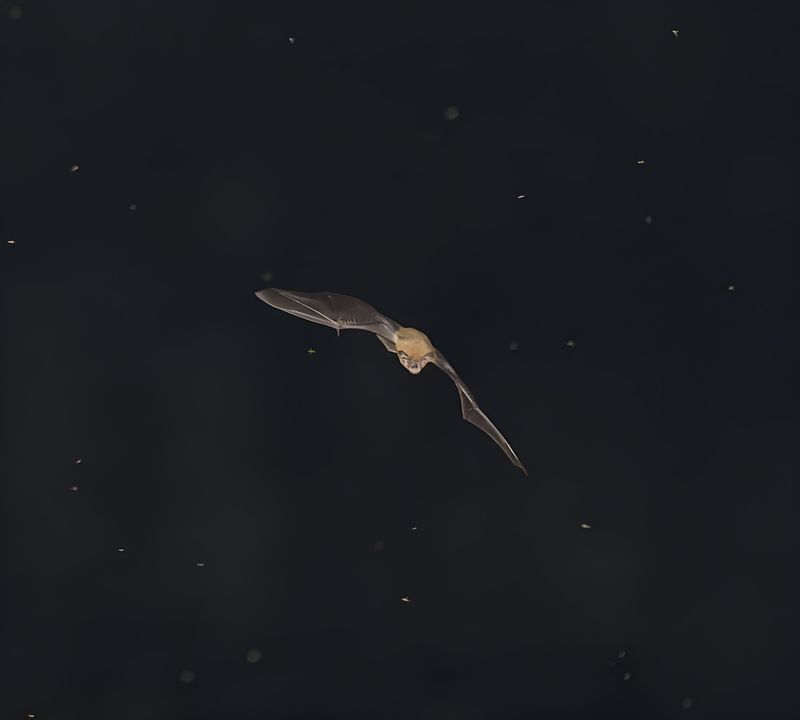
A bat-removal quote is useful only when it says what will be inspected, excluded, sealed, cleaned, repaired, and rechecked. A single unexplained total does not show whether the provider found primary exits, secondary gaps, living-space openings, contamination, or timing restrictions.
There is no responsible national price that fits every attic. Bat removal and exclusion cost is driven by the building, access, entry-point inventory, colony and season, permanent repair scope, cleanup, and warranty. Compare those items line by line.
Possible contact comes before the quote. If a bat may have bitten, scratched, or had other contact with a person or pet—or contact cannot be ruled out—keep people and pets away and call the local health department or animal control before releasing the bat or disturbing the area. Contact a veterinarian about a pet exposure. The CDC says not to release a bat involved in possible contact until a public-health expert has advised you about capture, testing, and medical care. Do not handle a bat.
What a Complete Bat Service Should Cover
1. Exposure and Occupant Screening
Before exclusion, the provider should ask whether a bat entered a bedroom or occupied room, whether a person or pet may have had contact, and whether anyone tried to capture or release it. A wildlife quote does not replace public-health or veterinary guidance.
The inspection should also identify openings between a roost and occupied rooms. Temporary occupant separation may include closing interior doors and sealing gaps around attic hatches, plumbing, wiring, vents, or wall transitions when appropriate. The U.S. Fish and Wildlife Service advises separating living spaces from a winter roost until seasonally appropriate exclusion can occur in its safe bat-removal guidance.
2. Exterior and Interior Inspection
A written inspection should cover all relevant roof edges, eaves, soffits, fascia, flashing, vents, chimneys, siding transitions, utility penetrations, additions, and attic or wall-void access. Bats use existing openings; they do not need to create a large hole.
The CDC notes that bats can use very small openings and recommends checking the structure, screens, chimney caps, attic doors, plumbing and electrical penetrations, and exterior doors. Ask the contractor to photograph and number each suspected opening rather than simply circling the side of the house.
3. Exit Confirmation and One-Way Exclusion
The plan should distinguish:
- Primary active exits, supported by observation or physical evidence
- Secondary openings that can be permanently sealed before exclusion
- One-way devices or valves that let bats leave without returning
- Final closures installed only after the provider verifies the bats have exited
One-way exclusion is not the same as trapping or extermination. It must be fitted to the building and monitored long enough to account for weather and activity. Ask what evidence—dusk observation, device activity, interior inspection, or a return visit—will establish that the roost is empty.
4. Permanent Sealing and Repairs
Once exclusion is complete, the quote should match every opening to a durable repair. Sealant may be suitable for a narrow joint; failed soffit, flashing, vent screening, chimney components, or rotted wood may require roofing, carpentry, or masonry work.
Ask who performs each repair, whether ventilation and drainage will remain functional, and which defects are outside the wildlife contractor’s trade. Our rodent exclusion cost guide uses the same entry-inventory approach, but bat devices, timing, and wildlife rules require a bat-specific scope.
Major Bat Removal and Exclusion Cost Drivers
| Cost driver | What changes the scope |
|---|---|
| Inspection access | Roof height and pitch, attic clearance, confined areas, fragile surfaces, lifts, staging, and fall protection |
| Entry-point inventory | Number, location, size, and construction type of active and potential openings |
| Building complexity | Dormers, additions, chimneys, multiple roof planes, aging materials, shared walls, and inaccessible voids |
| Colony and season | Species, maternity activity, nonflying young, hibernation, weather, and legally allowed work windows |
| Exclusion work | Device type and count, installation access, monitoring visits, and final closure |
| Permanent repairs | Sealant, metal, screening, flashing, vent or soffit replacement, carpentry, masonry, or roofing |
| Contamination | Guano amount and location, insulation impact, dust controls, access restrictions, disposal, and deodorization |
| Follow-up | Reinspection schedule, device removal, monitoring, callbacks, and written warranty terms |
An estimate that includes exclusion but excludes final repairs is not comparable with one that includes both. Likewise, “attic cleanup” could mean collecting a small localized deposit or removing contaminated insulation across a large inaccessible area.
Timing: Maternity, Hibernation, Weather, and Rules
Exclusion timing must match the local species and conditions. CDC guidance warns that bat-proofing during May through August can trap young bats that cannot fly. That is a general national caution, not a universal legal window. Local maternity dates vary with species, climate, latitude, and state rules.
Winter work also requires care. The Fish and Wildlife Service advises against suddenly evicting hibernating bats because winter release can cause mortality. Some situations call for separating the roost from occupied rooms and waiting for an appropriate season.
Ask the provider to identify:
- The suspected species or the evidence available
- The local wildlife agency or rule used to choose the work window
- Whether maternity or hibernation changes the proposed sequence
- What interim occupant-separation steps are needed
- What happens if conditions change after work begins
Many bats have federal or state protections, and contractor licensing or permits vary. Do not accept “bats are unprotected here” without a location-specific source. Poison, fumigation, and sealing a known occupied opening are not substitutes for lawful, humane exclusion.
Guano Cleanup Is a Separate Scope
Bat exclusion stops re-entry; it does not automatically remove droppings, stained insulation, odor, or damaged materials. The proposal should state the affected area, estimated amount, removal method, dust controls, insulation work, disposal route, and completion check.
Do not sweep, shovel, or run an ordinary vacuum over dry accumulations. CDC/NIOSH guidance explains that disturbing bird or bat droppings can aerosolize material associated with Histoplasma exposure and recommends planning around the amount, location, building condition, nearby people, dust control, and local disposal requirements. Its Histoplasma exposure-control guidance notes that large or complicated accumulations may require specialized controls and trained professionals.
Cleanup scope depends on the building and contamination; the presence of droppings does not diagnose illness. Anyone concerned about symptoms or exposure should speak with a healthcare professional.
Bat Removal Quote Comparison Checklist
Ask every provider to mark each item included, optional, excluded, or unknown:
- Human and pet contact screened before release or disturbance
- Living-space openings and interim separation documented
- Exterior, roofline, attic, chimney, vent, soffit, and utility zones inspected
- Active exits and secondary openings photographed and numbered
- Species, maternity, hibernation, weather, and local-rule constraints addressed
- One-way device type, count, placement, and monitoring period stated
- Permanent repair material listed for every opening
- Roofing, carpentry, electrical, HVAC, or masonry exclusions identified
- Guano, insulation, odor, dust control, and disposal scope itemized
- Follow-up visit and empty-roost confirmation method defined
- Warranty length, covered openings, exclusions, and remedy written down
- License, insurance, permits, and subcontractors disclosed where applicable
The cheapest total may omit the work that prevents recurrence. Compare the annotated entry inventory and completion standard first, then compare price.
Questions to Ask Before Hiring
- Which openings show active bat use, and what evidence supports that conclusion?
- Which gaps will be sealed before the one-way devices are installed?
- How will you confirm all bats have left before final closure?
- Which agency guidance or local rule establishes the work window?
- What changes if young or hibernating bats are discovered?
- How will the roost be separated from occupied rooms in the meantime?
- Are permanent roof and building repairs included or assigned to another trade?
- Is guano or insulation work included, and what dust-control plan applies?
- When is the reinspection, and who removes the devices?
- What recurrence is covered by the warranty, and what repair will you provide?
If the animal has not been identified, compare sounds, timing, entry evidence, and specimens before approving work. Our squirrel attic guide and raccoon removal guide show why another wildlife species can require a different removal sequence. The DIY vs. professional pest control guide also covers access and safety reasons to bring in qualified help.
Bottom Line
Bat removal and exclusion cost follows a defined service plan: inspection access, entry points, lawful timing, one-way exclusion, permanent sealing, cleanup, repairs, follow-up, and warranty. Do not compare unexplained totals.
Put possible human or pet contact through public-health, animal-control, and veterinary channels before release or cleanup. For a colony, choose a provider who documents every opening, respects maternity and hibernation constraints, excludes rather than poisons, and verifies the building is secure after the bats leave.
Image: Ian Gabaraev via Pexels.

Kevin Larrabee
Independent trade-focused editorial team