Mice Exterminator Cost: Compare Quotes by Scope
Quick answer
Published price guides place many basic mouse extermination jobs around $150 to $550, but that headline is not a property estimate. The useful comparison is the total written scope for inspection, trapping or baiting, exclusion, cleanup, return visits, and warranty coverage.
Common questions
- How much does a mice exterminator cost?
- Two national publisher guides available in August 2026 use $150 to $550 as a typical or average range for many mouse-control jobs. Your total can differ substantially when exclusion, contamination cleanup, repairs, or extended monitoring are separate.
- Does mouse extermination include sealing entry points?
- Not automatically. Some proposals include limited sealing, while others price whole-home exclusion separately. Require an entry-point list that states which openings, materials, and repairs are included.
- How many visits should a mouse-control quote include?
- There is no universal visit count. The proposal should state the initial service, device-check schedule, number or duration of return visits, completion criteria, and charges for visits outside the package.
Source note: Pricing references checked August 19, 2026; publisher benchmarks are directional, not quotes. Safety guidance was reviewed against current CDC cleanup and EPA rodenticide resources. Local conditions, labels, laws, and licenses control.
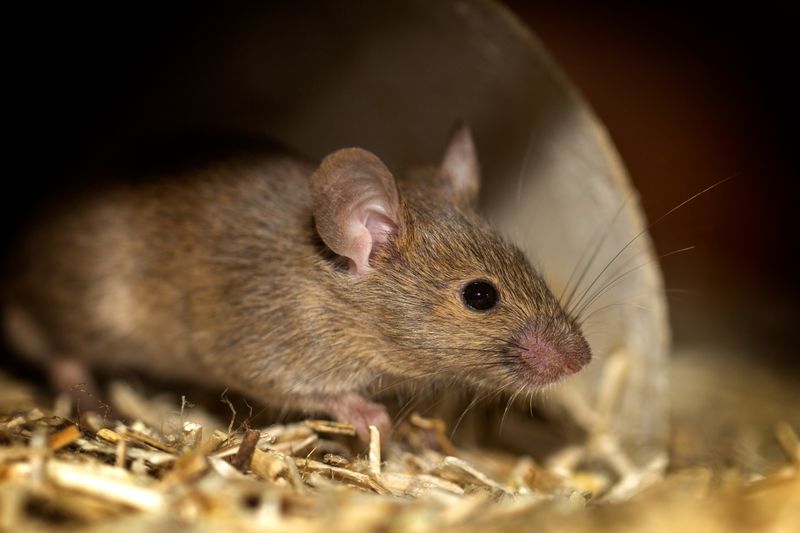
If you are comparing mice exterminator cost, start with scope—not the biggest or smallest number in a search result. As of August 19, 2026, This Old House says mice extermination costs $150–$550 in most cases, while HomeGuide reports the same average range from its research and member-reported project costs.
Those figures are useful shopping benchmarks, not estimates for your property. A low quote may cover only an inspection and device placement. A higher quote may include exterior entry-point sealing, multiple return visits, contaminated-material removal, or a written warranty. Normalize the scope before comparing the total.
What a Professional Mouse Service May Include
“Mouse extermination” is not a standardized package. Ask each provider to divide the proposal into the following phases.
Inspection and Identification
The technician should document where activity was found, how mice may be entering, and which spaces were accessible. Useful evidence includes droppings, gnawing, nesting material, tracks, rub marks, food damage, and captures.
Do not approve mouse-sized devices from a photo alone when the species is uncertain. Our mouse vs. rat droppings guide explains how size, shape, location, tracks, and gnawing work together—and how to handle the evidence safely.
Trapping, Baiting, and Population Reduction
The proposal should name the control method, device locations or zones, checking schedule, carcass disposal responsibility, and the evidence used to declare the active infestation controlled. Traps, secured bait stations, and monitoring are different deliverables.
If you are considering a small DIY response before hiring, compare device types in our mouse traps guide. A professional program should still explain why its chosen devices fit the site, not simply list a quantity.
Entry-Point Exclusion
Removing the mice currently inside does not stop new ones from using the same openings. Exclusion may range from sealing a few accessible utility gaps to repairs across the foundation, doors, garage, siding, crawl space, attic vents, eaves, and roofline.
Ask for a photographed entry inventory, the material proposed at each opening, and any work assigned to a roofer, carpenter, mason, electrician, or HVAC contractor. Our separate rodent exclusion cost checklist covers repair materials, access, sequencing, and warranty questions in detail.
Sanitation and Contaminated-Material Work
“Sanitize” can mean a surface application, droppings removal, nest removal, deodorizing, insulation removal, or a larger remediation scope. These are not interchangeable. The quote should state which rooms or square footage are included, what material will be removed, how waste will be handled, and what is specifically excluded.
Heavy contamination can require different protective controls from a small, localized cleanup. Do not let a vague cleanup allowance hide a major add-on after work begins.
Follow-Ups, Verification, and Warranty
A return visit may include checking devices, removing captures, relocating traps, sealing a confirmed active opening, or simply inspecting. Record the number or duration of included visits and the per-visit charge after that period.
A warranty should define its term, covered openings and services, response time, owner responsibilities, and exclusions. Ask whether the remedy is re-trapping, re-sealing a covered repair, or both. “Guaranteed” is not a scope until those terms are in writing.
What Changes Mouse Exterminator Cost?
The important cost drivers are the work required, not just the number of mice seen.
- Activity across multiple zones: Evidence in a kitchen, attic, crawl space, garage, and wall voids requires more inspection and monitoring than one accessible room.
- Property design: Attached garages, additions, stone foundations, complex rooflines, shared walls, and inaccessible voids add inspection or repair time.
- Entry-point count and access: Ground-level utility gaps differ from damaged soffits or roof intersections that require special equipment or another trade.
- Control method and service duration: One device-setting visit is not equivalent to a monitored program with scheduled returns and documented completion criteria.
- Contamination: Droppings, nests, odors, damaged food, or contaminated insulation can create a separate cleanup scope.
- Repairs: Chewed wiring, damaged ductwork, failed doors, rot, and insulation replacement are usually outside basic pest-control service.
- Location and timing: Local labor, licensing, travel distance, emergency scheduling, and building type affect a real “mice exterminator near me” quote.
For context across other pest types and billing models, use the general pest control cost guide. Do not use its broad ranges as a substitute for mouse-specific scope.
Mouse-Control Quote Normalization Worksheet
Put every proposal into the same table. Enter included, optional, excluded, or unknown rather than relying on a checkmark.
| Scope field | Provider A | Provider B | Provider C |
|---|---|---|---|
| Inspection zones and access limits | |||
| Evidence and species identification | |||
| Devices, placement zones, and ownership | |||
| Included device checks or service period | |||
| Capture removal and disposal | |||
| Entry points listed and photographed | |||
| Sealing materials and repairs included | |||
| Cleanup area and method | |||
| Work assigned to another trade | |||
| Completion criteria | |||
| Warranty term, remedy, and exclusions | |||
| Firm price and possible add-ons |
Then calculate a comparable total for the same required outcome:
Comparable total = firm quoted price + required excluded work + expected follow-up charges + mandatory fees.
Do not add optional upgrades unless you add them to every quote. Flag unknowns instead of guessing. If a provider will not clarify a required line in writing, the proposal is not ready to compare.
Questions to Ask Before Hiring
- What evidence confirms mice rather than rats, bats, or another animal?
- Which interior, exterior, attic, crawl-space, garage, and roofline zones were inspected?
- Is this quote for population reduction, exclusion, cleanup, or all three?
- Which openings will be sealed, with what materials, and in what sequence?
- How many device checks or weeks of monitoring are included?
- What evidence shows the service is complete?
- What could trigger a change order or separate contractor?
- What does the warranty actually require the company to do?
- What must occupants change about food, storage, pets, or access?
- Is the company properly licensed where required?
The EPA’s hiring guidance, updated January 29, 2026, specifically recommends asking to see the company’s license and contacting the state pesticide regulator if you have concerns.
Safety Boundaries for Cleanup and Bait
Do not sweep or vacuum dry mouse droppings, urine, or nesting material. The CDC cleanup instructions say to wear rubber or plastic gloves, wet contaminated material thoroughly with a disinfectant, allow the stated contact time, and wipe it up with paper towels. The CDC calls for additional precautions in heavily infested buildings and other high-risk settings.
If rodenticide is proposed, ask for the product label, target pest, allowed use site, station type, placement plan, checking schedule, and carcass-disposal plan. The EPA’s current rodent-bait guidance says consumer products are ready-to-use bait stations, bait must remain secured in the station, labels must be followed, and traps or bait must be inaccessible to children and pets. Do not use loose, improvised, or unlabeled poison.
Your Next Step
- One isolated sign and easy access: Confirm the pest, inspect for entry points, and follow the step-by-step mice removal guide if a safe DIY response fits the situation.
- Repeated activity or several rooms involved: Request two or three written professional proposals and complete the worksheet above.
- Attic, crawl-space, wall-void, or exterior entry problems: Require separate prices for population control and exclusion so you can see what prevents recurrence.
- Heavy droppings, widespread nesting, damaged insulation, or occupant health concerns: Pause ordinary cleanup and ask a qualified professional or local health authority about the appropriate controls.
Bottom Line
A mice exterminator cost benchmark can help you recognize the market, but it cannot tell you whether a quote solves the problem. Compare the same outcome: documented inspection, suitable population control, entry-point exclusion, defined cleanup, enough follow-up to verify results, and an enforceable warranty.
Take photos of the proposals, complete the normalization worksheet, and ask each provider to resolve unknowns in writing. The best value is the clearest complete scope—not automatically the lowest initial price.
Image: David Hablützel via Pexels.

Kevin Larrabee
Independent trade-focused editorial team